Major rental car companies are experiencing a significant boost in stock value as federal airport disruptions force travelers to reconsider their transportation choices. Hertz and Avis Budget Group have reported substantial gains following weeks of extended wait times at United States airports due to Department of Homeland Security operational issues. The situation marks a clear pivot for consumers who previously relied on air travel but now face prolonged security screening delays.
Market Performance From the market close on March 20 through Thursday midday, Avis shares increased by approximately 44 percent while Hertz stock rose 24 percent. This performance continues a weeklong trend of trading momentum that suggests investors are reacting positively to immediate operational shifts. Analysts note that these gains reflect a temporary reallocation of travel demand rather than a permanent change in consumer preference for air transport.
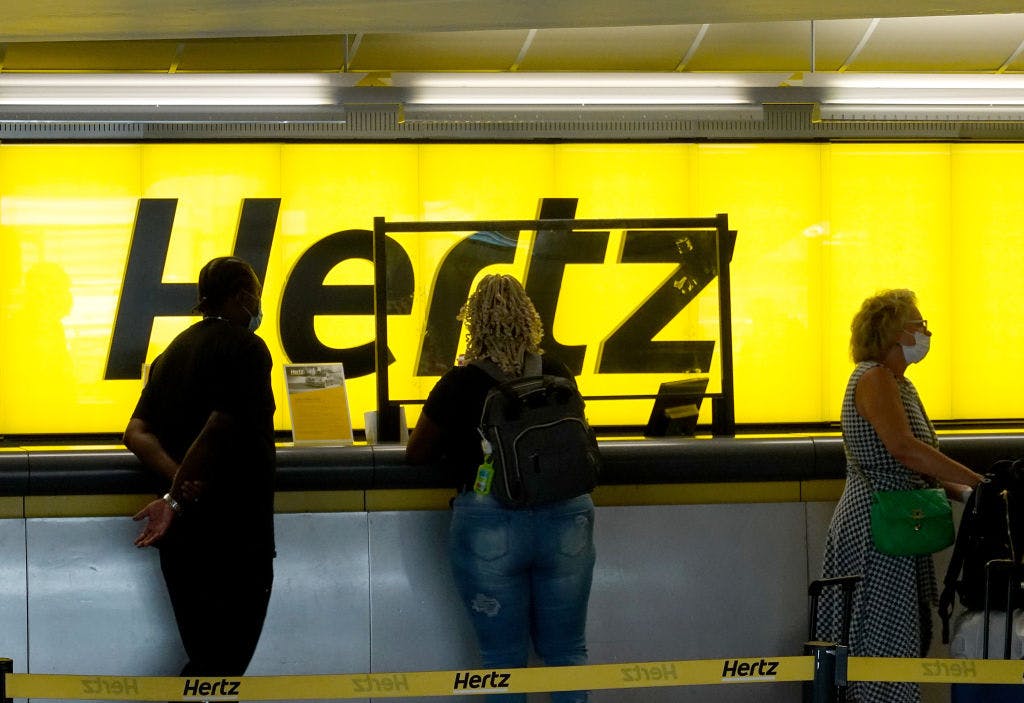
According to data from TravelPulse, search traffic specifically for Hertz has climbed 15 percent in recent days compared to standard periods. This metric indicates a tangible shift in booking intent as users actively look for ground transportation alternatives. The increase suggests that digital engagement with rental services is rising directly correlated with flight schedule cancellations or delays.
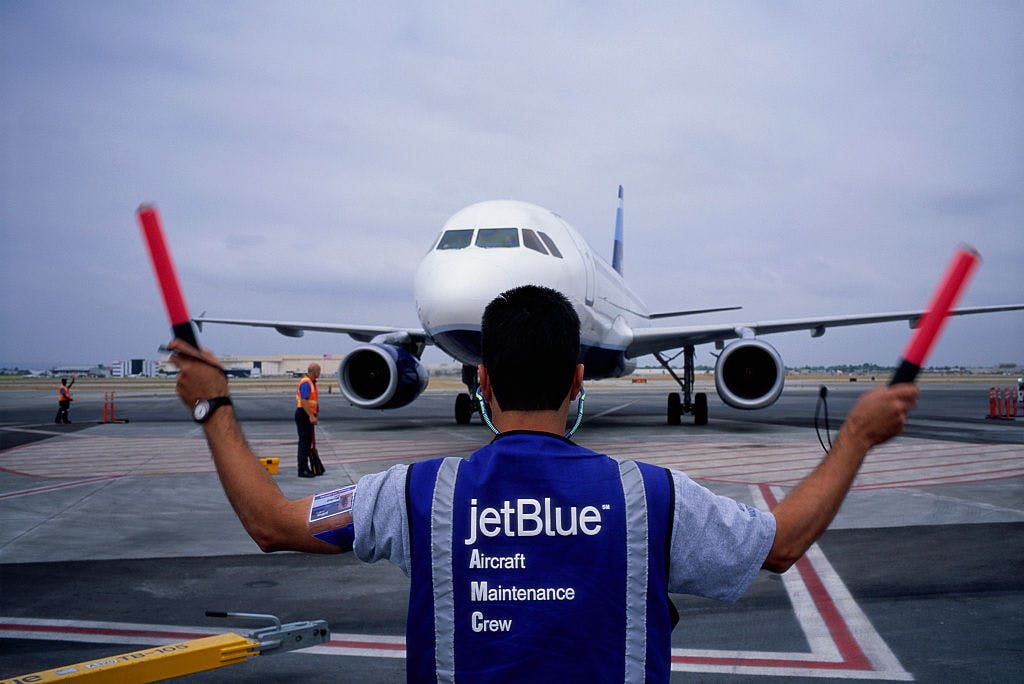
Operational Context The Transportation Security Administration is currently experiencing the longest wait times in its 24-year history, officials have confirmed. These extended processing periods at security checkpoints discourage passengers from flying and encourage them to explore highway travel options instead. Consequently, rental car companies benefit from this behavioral change despite broader economic headwinds facing the transportation sector.
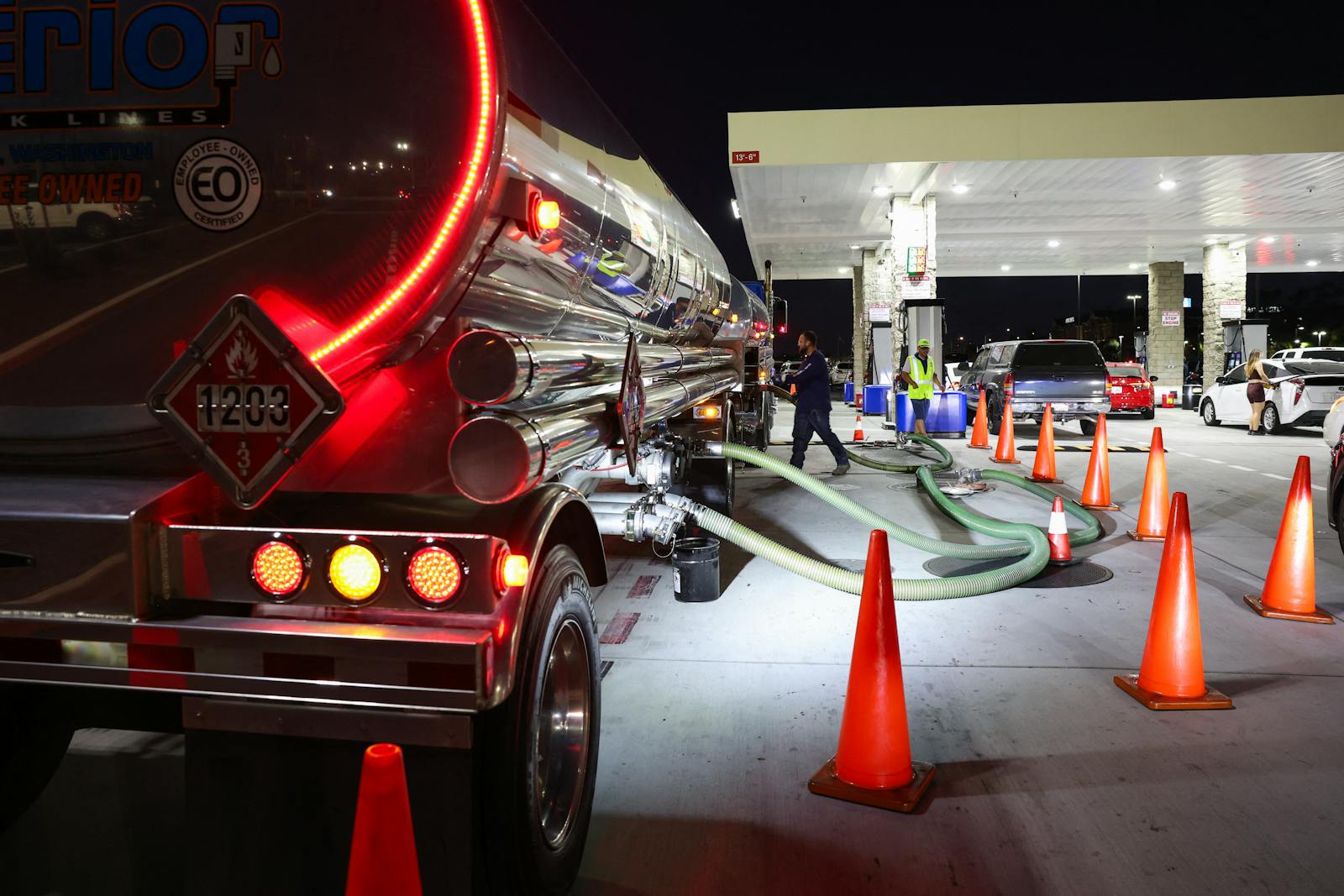
Rising airfares combined with elevated jet fuel prices are adding weight to travelers decision-making processes regarding mode of transport. Fuel costs remain high enough that driving a personal vehicle or renting one becomes a cost-competitive alternative to commercial aviation for many destinations. This economic calculus favors rental firms when flight logistics become unattractive due to non-revenue time spent in queues.
Economic Implications Would-be flyers may be pivoting from sky to highway, even as gas prices climb in response to global energy market fluctuations. This trend demonstrates how macroeconomic factors like fuel costs interact with government policy to influence consumer spending habits. The rental car industry acts as a beneficiary when federal disruptions temporarily reduce air travel volume.
The Department of Homeland Security shutdown drags on, resulting in some excruciating airport wait times that impact logistics for airlines and passengers alike. Such political instability creates volatility in travel-dependent sectors while providing short-term relief to competitors like Avis Budget Group. The resilience of these companies depends on maintaining inventory levels sufficient to meet unexpected demand surges.
What Comes Next Market observers will watch for signs of sustained demand shifts if the federal government does not quickly resolve its operational issues. Investors should monitor whether this spike in rental bookings translates into long-term revenue growth or remains a temporary anomaly tied to politics. Continued elevation in fuel prices could further entrench highway travel preferences independent of political events.
Broader implications suggest that transportation sectors remain sensitive to federal administrative changes in Washington. Companies with flexible operations may outperform peers during periods of government disruption, creating opportunities for strategic positioning. Stakeholders must prepare for potential volatility as policy decisions continue to impact daily consumer choices across the nation.