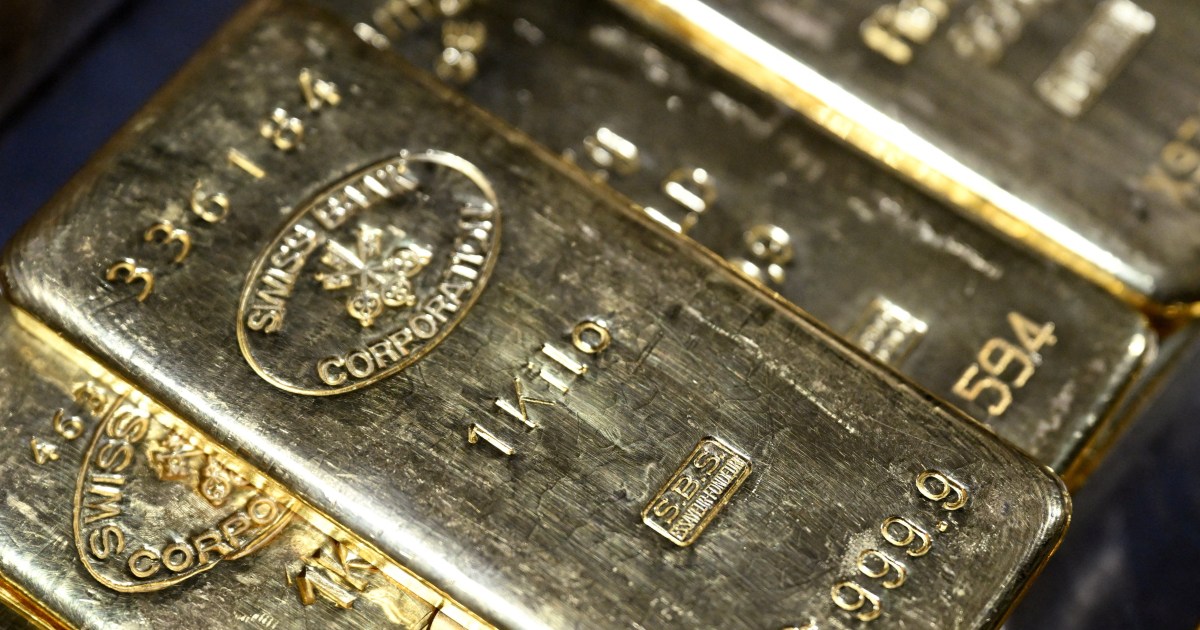
Gold bullion breached $5,500 an ounce on Thursday, setting a new all-time high amid heightened geopolitical tensions stemming from threats of military action by the United States against Iran. This milestone extends a significant rally that has seen the precious metal appreciate over 20% since the beginning of the year, according to data reported by Al Jazeera.
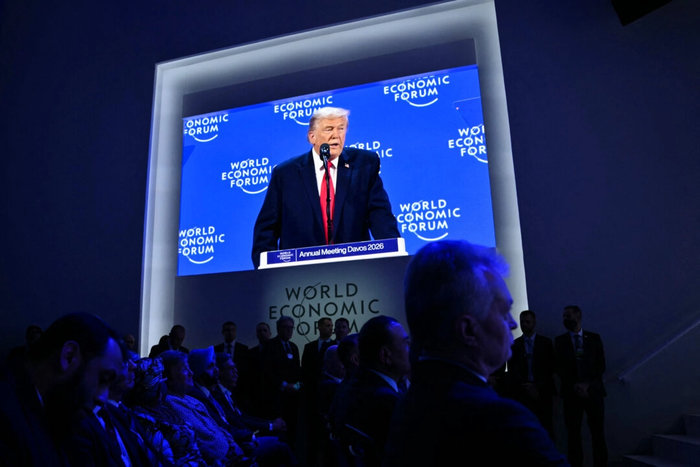
The immediate catalyst for the latest peak involved statements from US President Donald Trump indicating a “massive Armada” was en route to Iran and that US forces were prepared to engage with “speed and violence, if necessary.” Gold traditionally functions as a primary hedge against economic uncertainty and geopolitical upheaval, maintaining its value when systemic risks increase.
This upward trajectory is also supported by the sustained weakness observed in the US dollar, which makes dollar-denominated commodities like gold more attractive to international buyers. The metal enjoyed a remarkable 64% gain throughout 2025, a year characterized by the Trump administration's significant recalibration of international trade policies.
Furthermore, the appeal of alternative safe-haven assets, such as long-term government bonds, has diminished among institutional investors. Anxiety concerning the mounting sovereign debt levels across advanced economies, including the US, has dampened the traditional allure of fixed-income securities.
Global equity markets reacted cautiously to the unfolding developments, with Asian indices opening mostly lower before recovering slightly by the afternoon trading session. For instance, Japan’s Nikkei 225 posted a modest gain of approximately 0.2% as of 2:30pm local time on Thursday.
The sustained flight to safety into gold underscores growing market skepticism regarding diplomatic resolutions to current international flashpoints. Analysts suggest that as long as rhetoric remains escalatory, upward pressure on the metal’s price will persist.
Looking ahead, the trajectory of gold prices will closely mirror the perceived level of conflict risk in the Middle East and the Federal Reserve’s future monetary policy signals. Any de-escalation, however unlikely at present, could trigger a notable correction in bullion prices.