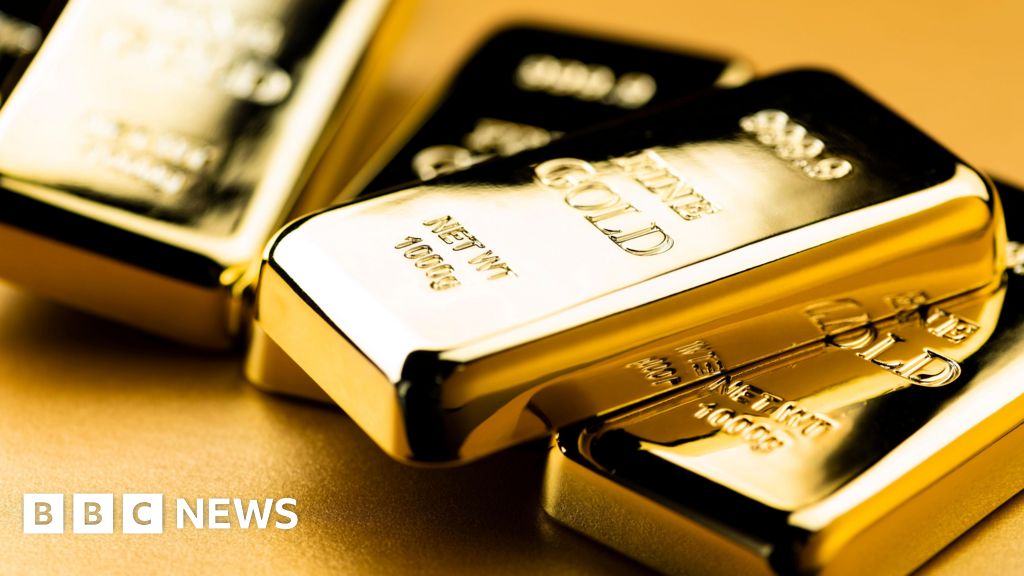
The price of gold experienced extreme fluctuations last week, touching a record high above $5,500 an ounce before sharply retreating over 9% on Friday, marking its most significant single-day fall since 1983. This volatility continued into the current week, with a slight recovery noted on Tuesday and Wednesday, according to recent market data.
Market observers largely attribute the initial downward pressure to the nomination of Kevin Warsh as the prospective head of the US central bank, the Federal Reserve. April Larusse of Insight Investment noted that Warsh is deemed an acceptable choice, which bolstered confidence in the Fed's independence and subsequently strengthened the US dollar, pressuring the safe-haven asset.
Another contributing factor to the slump involved adjustments to trading requirements on a major exchange, reportedly increasing the cost basis for speculative positions. Mark Matthews, head of research for Asia at Bank Julius Baer, suggested that the dramatic sell-off was a direct consequence of profit-taking after prices had moved "parabolic" in the preceding week.
Despite the correction, underlying support for gold remains robust, with some analysts forecasting further appreciation. Michael Hsueh, an analyst at Deutsche Bank, stated that conditions do not favor a sustained reversal, reiterating the bank’s forecast for gold to reach $6,000 an ounce.
The precious metal has acted as a critical diversifier and safe haven, driven by ongoing global instability. Nicholas Frappell, global head of institutional markets at ABC Refinery, explained that gold's appeal stems from its lack of counterparty risk compared to bonds or equities.
Geopolitical tensions, particularly concerning US trade policy under the Trump administration, have historically fueled gold's ascent. Uncertainty surrounding tariffs and diplomatic friction between major economies continues to underpin investor interest in tangible assets, as noted by Emma Wall of Hargreaves Lansdown.
Furthermore, central banks globally have increased their bullion purchases over recent years, seeking insulation from potential US policy dependence, especially following the freezing of Russian reserves. This sustained institutional demand, coupled with significant buying from nations like China, suggests a long-term structural shift favoring gold as a neutral reserve asset.