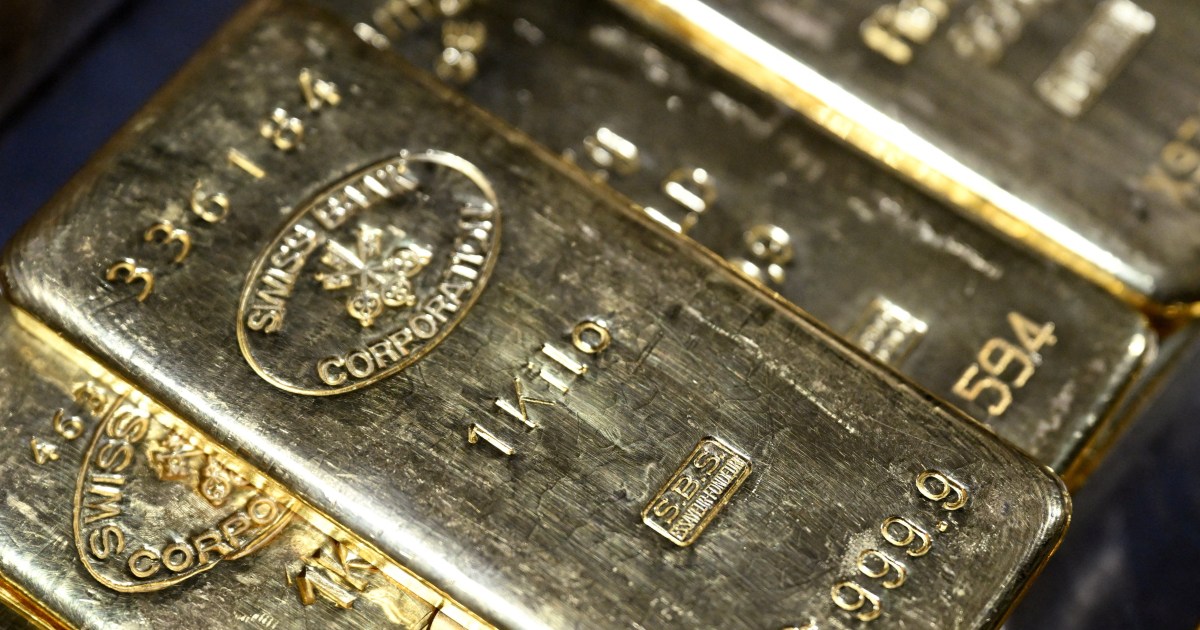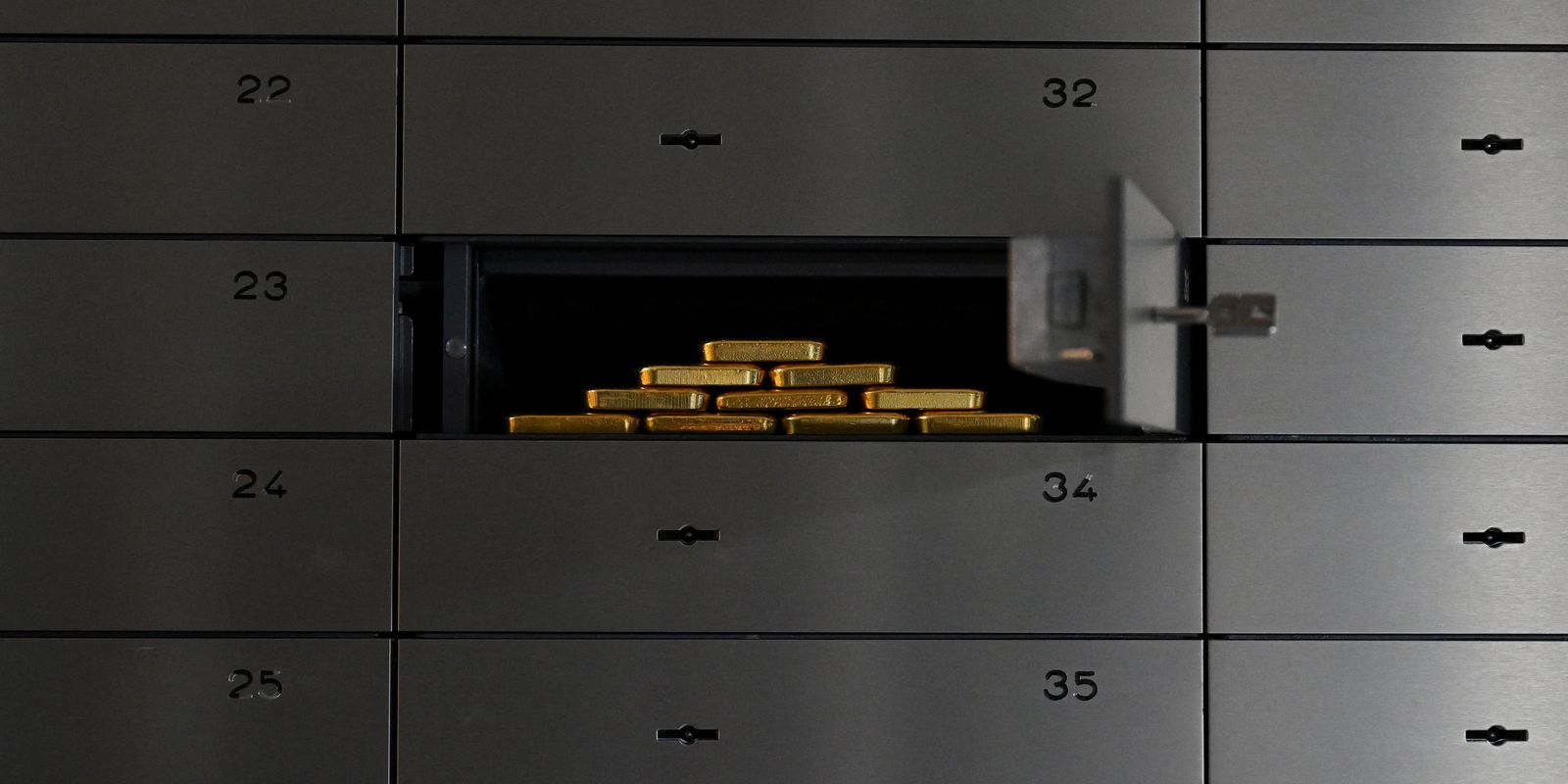
International spot gold prices surged on Wednesday, with the precious metal trading near US$5,326 per troy ounce, establishing a new historical valuation peak. This latest ascent continues a sharp upward trajectory, with the metal appreciating over 90% in the preceding twelve months alone. The milestone comes as economic agents increasingly seek tangible assets amid prevailing market instability.
Economists suggest the sustained rally is a direct consequence of elevated global uncertainty, particularly stemming from recent shifts in US trade policy. Rodolpho Sartori of Austin Rating noted that gold and silver historically function as reliable stores of value during periods of perceived risk. He specifically cited President Donald Trump’s implementation of protectionist tariffs as a major catalyst for this macroeconomic apprehension.
Further geopolitical friction is reportedly fueling the demand, according to Gecilda Esteves, a professor at Ibmec-RJ. Esteves pointed to tensions arising from US engagement with European partners over Arctic territories and the ongoing conflict between Russia and Ukraine as factors shaking international trust. These events translate into tangible geopolitical risk premiums being priced into safe-haven assets like gold and silver.
Central banks globally, including Brazil’s, have incrementally increased their gold holdings to diversify reserves away from fiat currencies, a political economy consideration noted by experts. While central bank accumulation is relevant, Sartori contends that the primary driver of the price explosion originates from the broader investor market seeking volatility reduction. Investors view these metals as essential protection against potential systemic financial corrections.
This flight to safety is also reflected in a discernible weakening of the US dollar, which acts as an inverse indicator to gold’s performance. The DXY index reportedly fell from near 110 points when the current US administration began in January 2025 to approximately 96 points recently. This decline suggests underlying distrust in the dollar’s sustained hegemony, according to Sartori’s assessment.
Beyond immediate political factors, structural economic concerns are also influencing asset allocation decisions. Sartori referenced research suggesting that high sovereign debt levels across many nations are prompting investors to diversify away from currencies into assets with intrinsic value. This structural shift provides a long-term underpinning for precious metal valuations.
For investors, crossing the US$5,000 barrier transforms gold from mere portfolio insurance into an instrument capable of generating aggressive returns within a risk-averse strategy. The simultaneous pressure on the dollar and the market's hedging against potential corrections in equity markets, such as the technology sector, underscore the broad-based demand for stability.