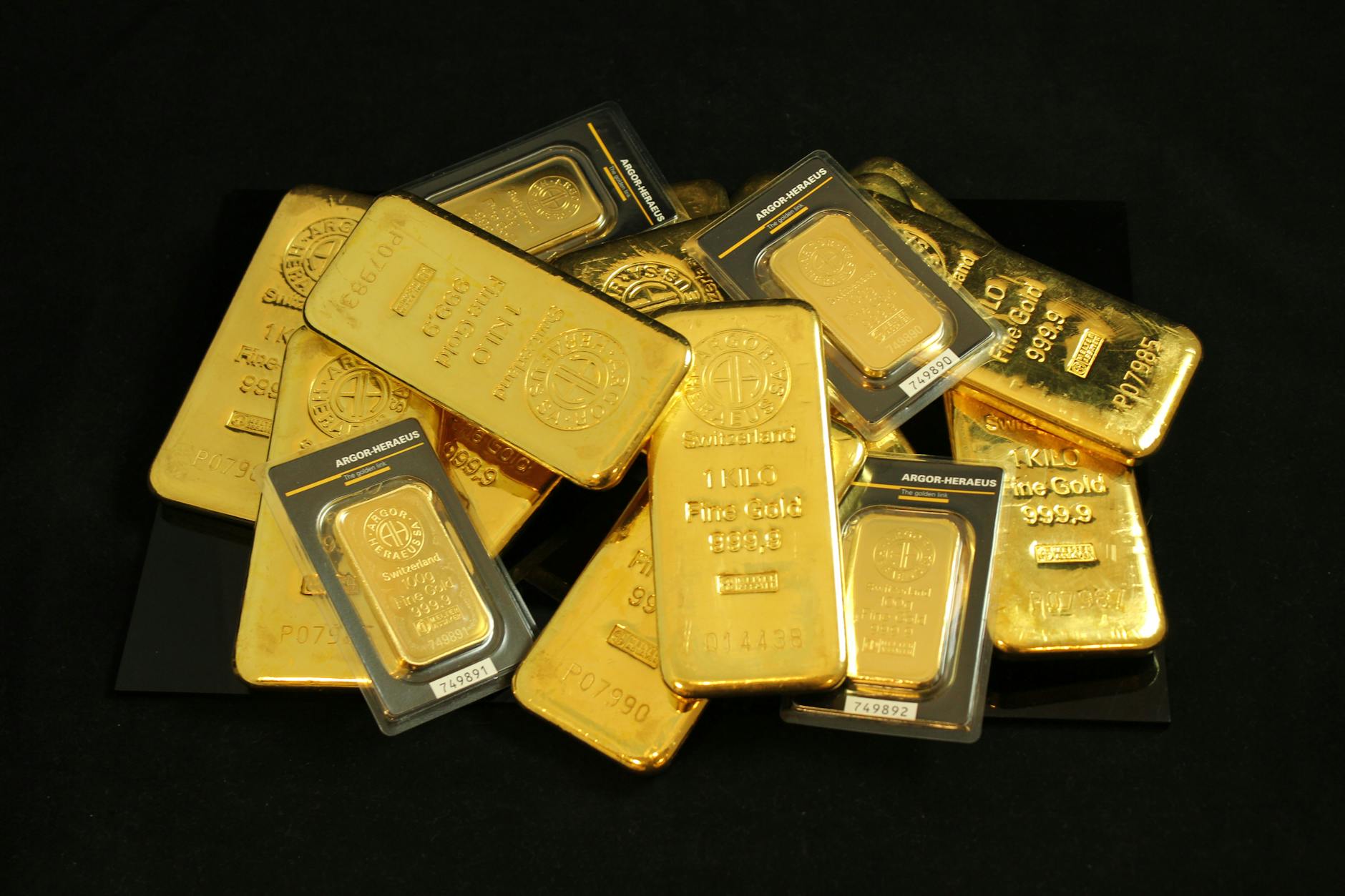
Gold has surpassed the $5,000 per ounce threshold for the first time in history, signifying a historic acceleration in its rally which saw gains exceeding 60% throughout 2025. This milestone valuation arrives as global financial markets grapple with heightened geopolitical fracturing and persistent concerns over fiscal liabilities.
The immediate catalyst for renewed upward pressure appears linked to escalating diplomatic fissures, notably between the United States and NATO members over Arctic positioning, specifically Greenland. Concurrently, aggressive unilateral trade positioning by the US administration, exemplified by recent threats of substantial tariffs against allied nations like Canada should they pursue trade agreements with strategic rivals, has unsettled market sentiment regarding the predictability of global commerce.
Gold, alongside silver—which recently topped $100 an ounce following a near 150% rise last year—is functioning overtly as the paramount safe-haven asset. Investors are seeking tangible hedges against volatility stemming from persistent inflationary pressures and the anticipated continuation of accommodative monetary policy by the US Federal Reserve, widely expected to implement further rate cuts this year.
The geopolitical landscape further fuels this demand for non-sovereign assets. Ongoing conflicts in key regions, alongside significant actions such as the recent seizure of Venezuelan President Nicolás Maduro, amplify the perception of systemic instability, driving capital toward assets outside conventional banking structures. As Nicholas Frappell of ABC Refinery notes, gold offers superior diversification because "it's not attached to the debt of somebody else like a bond is or an equity where the performance of a company will drive performance."
The scarcity factor remains fundamental to gold’s long-term appeal. With only approximately 216,265 tonnes ever mined—a supply that the World Gold Council suggests will plateau as extraction technologies yield diminishing returns—the metal maintains intrinsic value divorced from fiat currency dynamics. This structural supply constraint is being tested by robust official sector demand; central banks globally have been significant net purchasers of bullion over the past year, signaling a strategic pivot away from the US dollar's dominance.
Susannah Streeter, Chief Investment Strategist at Wealth Club, observed that gold's trajectory suggests it "seems to know no bounds" amid the current political uncertainty. The inverse correlation between expected interest rate cuts and gold’s appeal is also evident; lower sovereign yields diminish the opportunity cost of holding non-yielding assets like gold, as noted by Ahmad Assiri, Research Strategist at Pepperstone.
While institutional investment dominates the narrative, essential cultural demand, particularly in Asia, provides a persistent floor. Significant wealth accumulation in physical gold by households in economies like India and China, often tied to auspicious cultural practices surrounding festivals such as Diwali and the Chinese New Year, ensures robust baseline consumption that complements the current risk-off environment.
However, analysts caution against linear projections. Frappell warns that this "news-driven" market remains susceptible to rapid reversals should unexpected positive geopolitical developments materialize, potentially triggering sharp price corrections.
Source: Based on reporting from bbc.com.