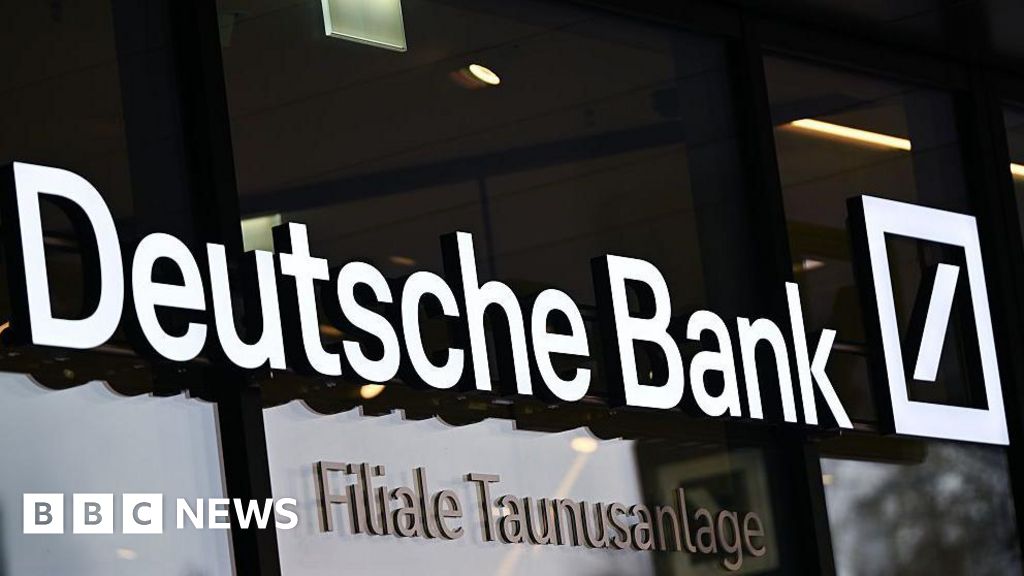
Federal prosecutors, supported by the Federal Criminal Police Office, have conducted searches at Deutsche Bank premises in Frankfurt and Berlin, signaling a significant escalation in an inquiry targeting alleged money laundering failures. The Office of the Federal Prosecutor confirmed the investigation is focused on 'unknown individuals and employees' within the institution.
The investigation centers on suspicions that Deutsche Bank maintained business relationships with foreign entities that may have subsequently been utilized for illicit financial transfers. While the prosecutor's office declined to specify the scope, individuals involved, or the precise nature of the transactions, the focus remains squarely on compliance failures within the bank's reporting obligations under German anti-money laundering laws.
German media reports have drawn tenuous connections between the current probe and sanctioned Russian billionaire Roman Abramovich. However, lawyers representing Abramovich vehemently denied any link, asserting that the raids pertain exclusively to Deutsche Bank’s internal compliance procedures and not to any specific individual's alleged wrongdoing.
Abramovich, who faces extensive sanctions following Russia's 2022 invasion of Ukraine, has consistently contested allegations of close ties to the Kremlin. His representatives characterized the invocation of his name as an unwelcome attempt to generate media visibility for the regulatory action.
This is not the first time Deutsche Bank has faced such intense scrutiny. In 2018, the bank was subject to major raids concerning allegations that staff facilitated clients in moving funds derived from criminal activities through offshore accounts between 2013 and 2018. This historical context suggests systemic, rather than isolated, compliance challenges facing the institution.
The sustained regulatory pressure on major European financial institutions like Deutsche Bank highlights the increasing global imperative for rigorous adherence to anti-financial crime statutes. For the bank, these recurring investigations present tangible risks to operational stability, regulatory relationships, and international market confidence.
(Source: Based on reporting from the BBC and German Federal Prosecutor's Office statements.)