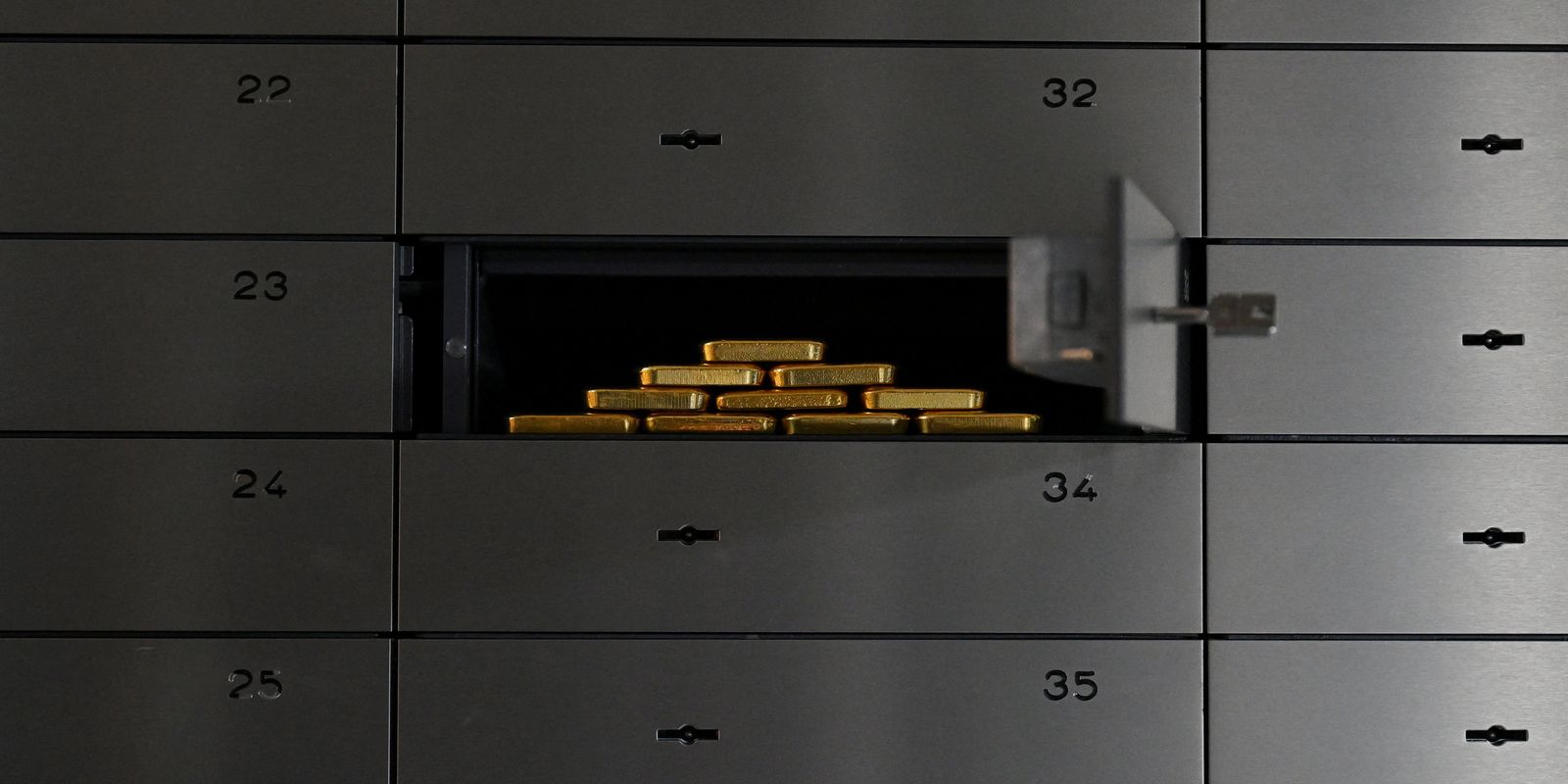
International markets witnessed a significant milestone this week as the price of gold breached the $5,000 threshold for the first time, ultimately setting a new record near $5,326 per troy ounce. This dramatic appreciation, representing over 90% growth in the past twelve months alone, underscores a profound shift in investor sentiment toward tangible assets over traditional fiat currencies.
Economists view this sustained rally as a direct barometer of global uncertainty. Rodolpho Sartori of Austin Rating notes that gold and silver historically function as essential stores of value during periods of instability. The recent price action correlates strongly with the economic policy trajectory initiated since early 2025, characterized by increased tariffs and a move toward mercantilist protectionism by the United States, departing from established free-trade norms.
Geopolitical friction is further amplifying market anxiety. Experts cite heightened international tensions, including ongoing conflicts and diplomatic strains—such as the U.S. pursuit of Greenland—as contributing factors that erode trust between major economic blocs, particularly the U.S. and Europe. This environment compels both institutional and sovereign investors to seek refuge in assets perceived as having intrinsic value.
Central banks globally are actively participating in this trend, increasing their gold reserves to diversify away from reliance on fiat currencies. While this sovereign demand is relevant, analysts suggest the primary driver of the price explosion stems from the private investment sector seeking lower volatility and protection against systemic risk. Gold is transitioning from a mere hedge to an aggressively profitable component in uncertain portfolios.
Concurrently, the strength of the U.S. dollar is showing signs of erosion. The DXY index has declined notably since early 2025, indicating growing skepticism regarding the dollar's hegemony. When gold rises sharply, it functions as a 'thermometer' signaling diminished confidence in the world's primary reserve currency, a dynamic also reflected in the significant depreciation of the U.S. dollar against several major currencies.
Structural concerns regarding high sovereign debt levels across many nations are also prompting a broader diversification of investment destinations beyond currency-backed instruments. This search for stability extends to hedging against potential corrections in equity markets, particularly amid speculation surrounding the sustainability of the current Artificial Intelligence investment bubble.
The surge in silver prices, which have also reached historic highs, mirrors the dynamics observed in the gold market, reinforcing the broad-based flight to precious metals. For emerging economies like Brazil, the strengthening of gold reserves provides a crucial buffer against external shocks, as evidenced by the significant increase in the metal's share of the nation's international reserves over the past year.
In summary, the record-breaking performance of gold is not merely a cyclical market event but a significant indicator of profound geopolitical and economic apprehension. As long as global uncertainty persists, the demand for gold as the ultimate insurance policy against systemic collapse is expected to remain robust. (Source: Analysis based on data reported by Latin American News and expert commentary.)