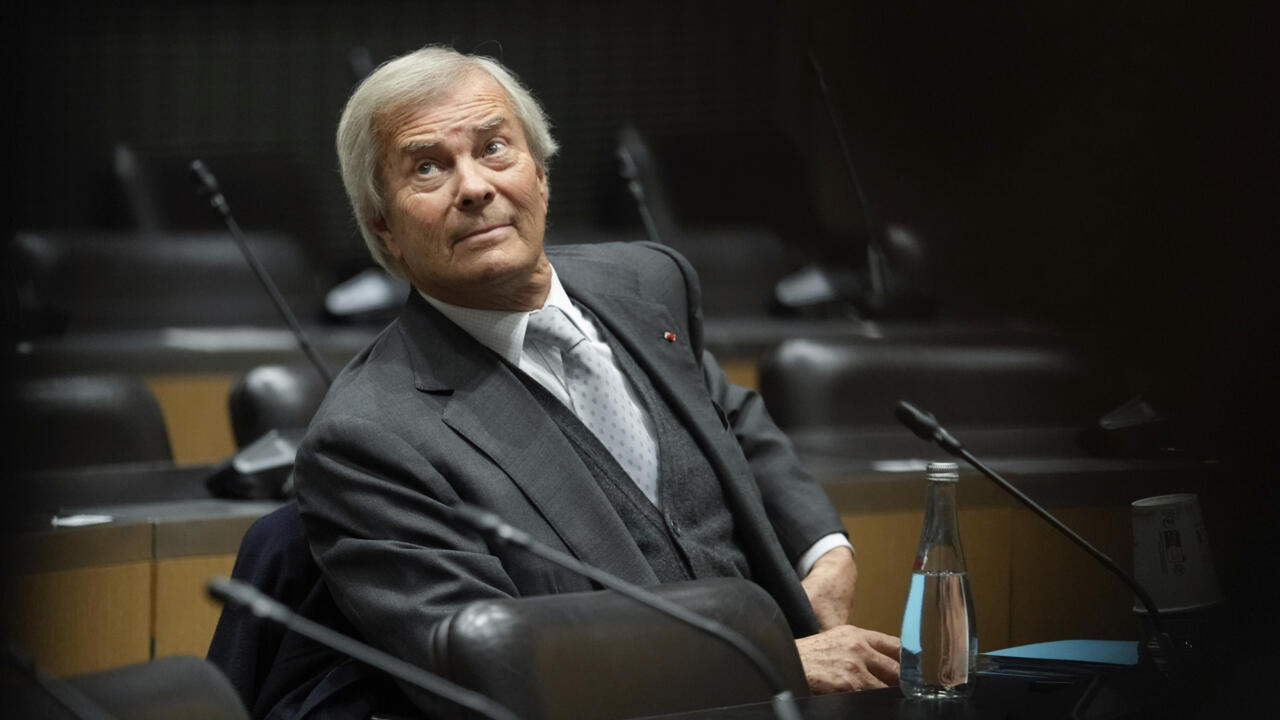
French financial prosecutors announced Thursday that billionaire Vincent Bolloré faces trial on corruption charges linked to election campaigns in Togo and Guinea. The charges relate to alleged embezzlement and bribery involving presidential candidates in both nations during the period between 2009 and 2011. This legal development marks a significant escalation in allegations regarding the conglomerate's operations in West African markets.
Prosecutors allege that Bolloré undercharged for services provided to presidential candidates in exchange for securing lucrative port contracts in the region. The investigation centers on financial transactions made in Puteaux, a Paris suburb, during the campaigns of presidents Faure Gnassingbe in Togo and Alpha Conde in Guinea. Authorities suggest these arrangements constituted bribes to foreign officials to influence election outcomes and secure commercial advantages.
Bolloré was formally placed under investigation in 2018 over similar allegations regarding his company's work on behalf of candidates in Guinea and Togo. At that time, officials questioned whether the firm manipulated billing for logistics services to facilitate illicit payments to political figures. The current trial proceedings indicate that evidence gathered during the initial inquiry has progressed to a formal judicial stage.
The Bolloré Group, which remains controlled and run by the billionaire's family, previously held significant logistics assets across the African continent. However, the conglomerate sold these specific African operations to the shipping company MSC Group in 2022, distancing itself from direct management of the disputed ports. This divestiture occurred prior to the formal charges becoming public knowledge regarding the specific election interference allegations.
Two other individuals face co-defendant status in the corruption cases alongside the former head of the multinational group. Gilles Alix, formerly a board member of Vivendi, and Jean-Philippe Dorent, currently head of Havas International Consulting, are implicated in the scheme according to the prosecutor. Their involvement suggests the alleged misconduct extended beyond the primary family business to associated media and advertising entities.
Vivendi and Havas remain listed companies where the Bolloré family retains significant stakes, raising questions about corporate governance and liability structures. The connection between media ownership and political influence in West Africa has long been a subject of scrutiny among international observers and legal experts. This case highlights the complex web of business interests that often intertwines with diplomatic relations between France and former colonies.
Representatives for Bolloré and his legal team did not immediately respond to requests for comment regarding the upcoming trial proceedings. The lack of immediate public statement from the defense team is common in high-profile corruption cases as legal strategies are finalized before court appearances. Observers note that the timing of the announcement could impact market sentiment surrounding the family's remaining public holdings.
The trial represents a critical test for French anti-corruption efforts and the enforcement of laws regarding international bribery. Similar cases involving French business leaders operating abroad have historically faced delays or lack of conviction despite strong evidence. A guilty verdict could set a precedent for how multinational corporations are held accountable for political interference in developing nations.
Geopolitically, the outcome may influence the perception of French business influence within the Francophone African sphere. Many analysts view the relationship between Paris and West African capitals as shifting due to economic diversification and new partnerships with other global powers. Legal accountability in such matters could alter the risk profile for French companies seeking contracts in the region.
What follows this trial will determine the legal and reputational standing of one of France's most prominent business families for years to come. Prosecutors will need to present concrete evidence linking the financial transactions directly to the political decisions regarding port concessions. The proceedings will likely draw attention from investors monitoring the stability of holdings in Vivendi and Havas.