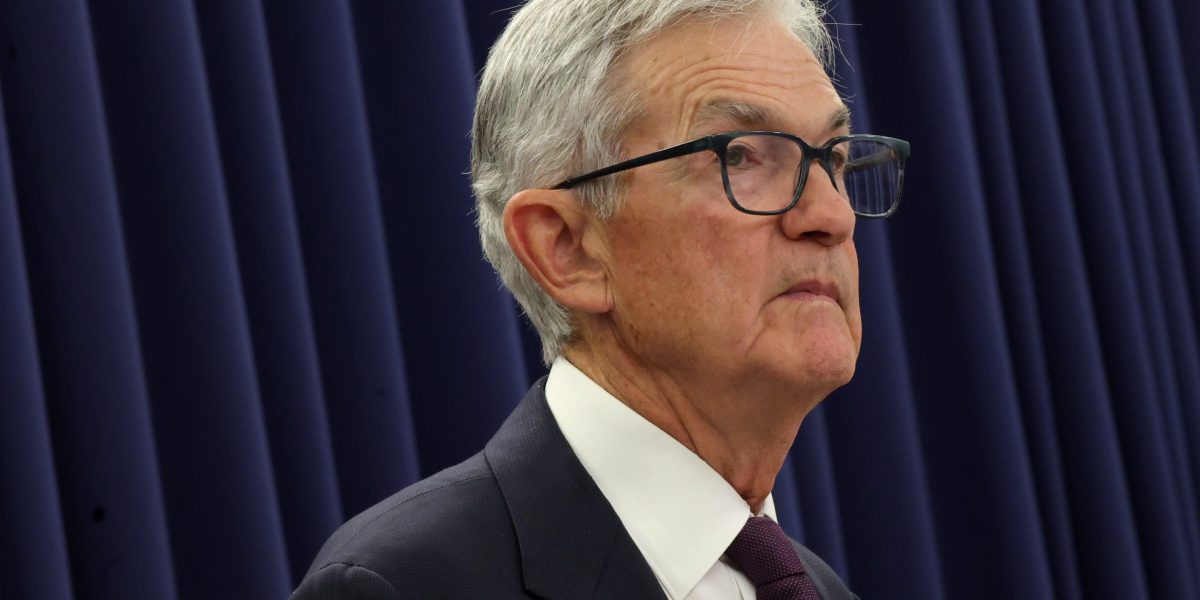
Federal Reserve Chair Jerome Powell rejected the notion that soaring gold and silver prices indicate a loss of U.S. credibility during a recent press conference, according to reports from Wednesday afternoon. The two precious metals, traditionally viewed as hedges against monetary instability, have seen significant gains, with gold rising 84% year-over-year and silver up 245% since late last year.
Powell acknowledged that market commentary links the metals' rally to concerns over diminishing confidence in the dollar or U.S. fiscal policy, but he insisted this narrative is unfounded. The Chair cited inflation expectations as the key metric, noting that short-term measures have substantially declined, aligning with the Fed’s targets.
Investors are reportedly engaging in two main trades linked to this movement: the short-term "Sell America" rotation following political shocks, and the structural "debasement trade" driven by long-term debt concerns. Powell indicated the Fed focuses on these expectation indicators rather than specific asset price movements when assessing market sentiment.
During questioning from CNN’s Matt Egan, Powell emphasized that if investors truly believed inflation would remain structurally above the two percent target, the argument for a major move into hard assets would be stronger. He asserted that longer-term inflation expectations remain consistent with the central bank’s goals.
Some analysts, including those at the Bank for International Settlements, suggest the current gold surge may be driven more by speculative retail investment rather than a fundamental erosion of trust in the monetary system. This view separates the asset's price action from traditional safe-haven behavior.
However, others, such as former Pimco CEO Mohamed El-Erian, interpret the sustained high valuations of gold as a signal that global actors have lost trust in the U.S. stewardship of the international financial system. This interpretation aligns with the classical view of gold as an inverse barometer of confidence.
The Fed Chair confirmed that while asset prices are monitored, the central bank prioritizes data reflecting sustained inflationary pressures over temporary shifts in commodity valuation. Powell’s emphasis suggests the institution perceives the rally as more tactical than indicative of a fundamental policy credibility crisis.
Looking ahead, market observers will continue to scrutinize whether inflation expectations remain anchored despite persistent fiscal deficits, which is the metric Powell explicitly cited as the true test of the Fed's standing.