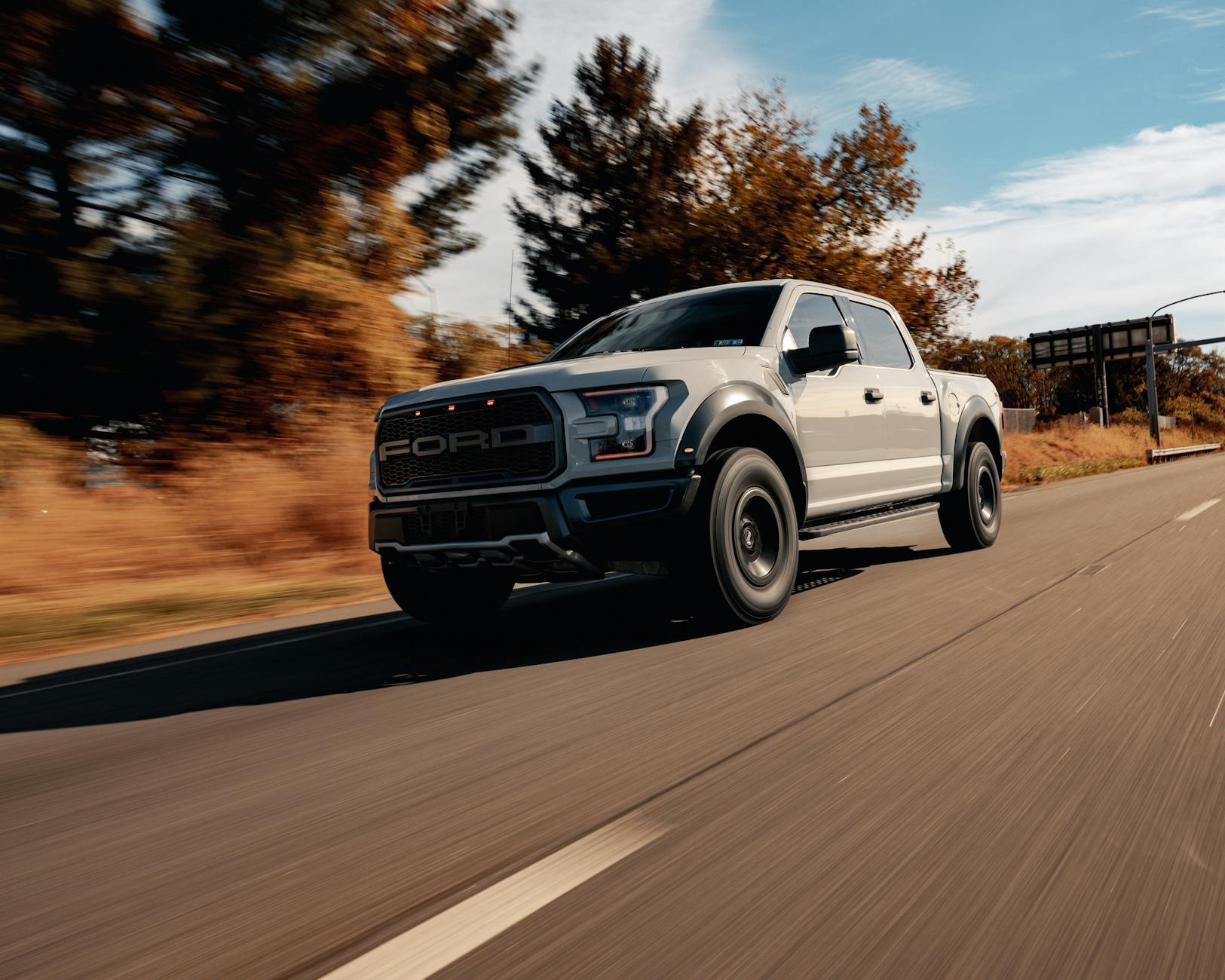
U.S. automakers are raising strong objections to proposed changes in European Union vehicle regulations. According to the Financial Times, American negotiators argue that restricting U.S.-made full-size pickups from the European market "could run counter to the spirit of trade agreements."
Currently, both sides are working to resolve trade disputes that have persisted since the Trump administration. This new controversy over vehicle access standards adds another layer of complexity to already strained negotiations.
Fundamental Differences in Certification
At the heart of the dispute is the pre-market certification process. The U.S. National Highway Traffic Safety Administration (NHTSA) has long operated under a "self-certification" model, where manufacturers simply declare that their vehicles comply with federal safety standards before they hit the market. Regulators only step in to mandate recalls if defects are discovered later.
In contrast, the EU and China enforce a much stricter "type-approval" system. Before a vehicle can be sold, manufacturers must prove to regulators in an EU member state that the product fully complies with local laws. This involves independent verification of emissions, safety systems, and driver-assistance features by national authorities or designated engineering firms.
With the rise of software-defined vehicles and over-the-air updates, European type-approval has evolved from a one-time test into a process of continuous compliance monitoring. These divergent regulatory frameworks have become a technical barrier for Detroit’s automotive giants looking to enter the European market.
U.S. officials maintain that these regulatory hurdles effectively function as non-tariff barriers. As the EU continues to tighten standards for vehicle emissions and intelligent technology, the cost of compliance for large American pickups in Europe is skyrocketing. Should negotiations fail to yield a compromise, the U.S. auto industry risks losing the opportunity to market its iconic, high-displacement models in Europe.