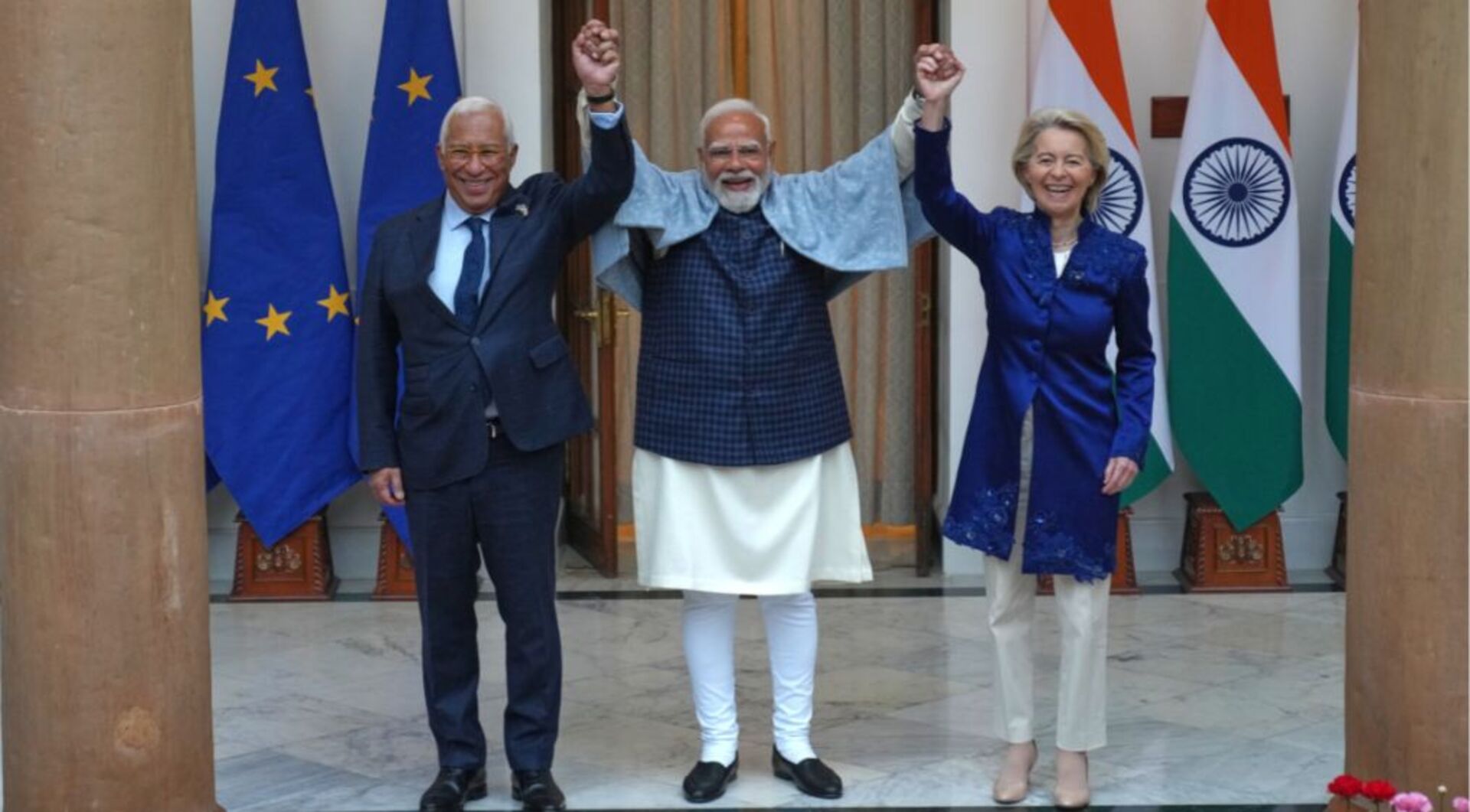
EU-India Trade Pact: A Strategic Pivot Amidst Global Protectionism and US Tariff Volatility
The nascent comprehensive trade agreement between the European Union and India signals a significant recalibration of global supply chains and geopolitical alignment. Analysts suggest this landmark deal is partly a defensive maneuver against the rising tide of unilateral protectionist measures, particularly those recently enacted by Washington.
EU-India Trade Pact: A Strategic Pivot Amidst Global Protectionism and US Tariff Volatility
The European Union and India have reportedly finalized negotiations for what is being termed one of the most ambitious bilateral trade agreements in recent history. This development occurs against a backdrop of heightened trade tensions globally, notably following the imposition of tariffs by the United States on both the EU and India.This agreement, often characterized by observers as the 'mother of all trade deals' due to its comprehensive scope covering market access, regulatory alignment, and investment protection, represents a crucial strategic alignment for both blocs. For the EU, deepening ties with the world’s most populous nation offers diversification away from over-reliance on established Western markets, while simultaneously bolstering its Indo-Pacific strategy.For New Delhi, securing preferential access to the vast European single market is a significant economic victory, potentially mitigating some of the adverse effects stemming from recent trade friction with the US. The timing, however, raises critical questions regarding the primary drivers of this expedited conclusion.Geopolitical analysts are closely examining the extent to which the recent, unpredictable trade actions emanating from Washington—specifically the tariffs levied against both partners—have served as an accelerant for the EU-India rapprochement. The pursuit of greater trade autonomy appears to be a central, unifying theme.Experts consulted, including Brahma Chellaney, Professor Emeritus of Strategic Studies at the Centre for Policy Research, and Remi Bourgeot, Associate Fellow at the French Institute for International and Strategic Affairs, suggest that while underlying economic complementarity exists, the current geopolitical climate has undeniably sharpened the incentive for both sides to solidify a major trading partnership independent of US policy shifts.Dhananjay Tripathi, Senior Associate Professor at South Asian University, notes that the pact’s success will hinge on navigating sensitive areas such as intellectual property rights and agricultural subsidies, which historically have complicated EU-India negotiations. Nevertheless, the political will demonstrated suggests a shared recognition of the need for resilient, multilateral economic corridors in an increasingly fragmented global trade landscape.The implications extend beyond economics; this pact solidifies a democratic, rules-based trading axis in the emerging multipolar world order. The final ratification process will be closely watched as a barometer of commitment to open trade versus the allure of protectionism.Source attribution: Analysis based on reporting concerning the EU-India trade pact negotiations.