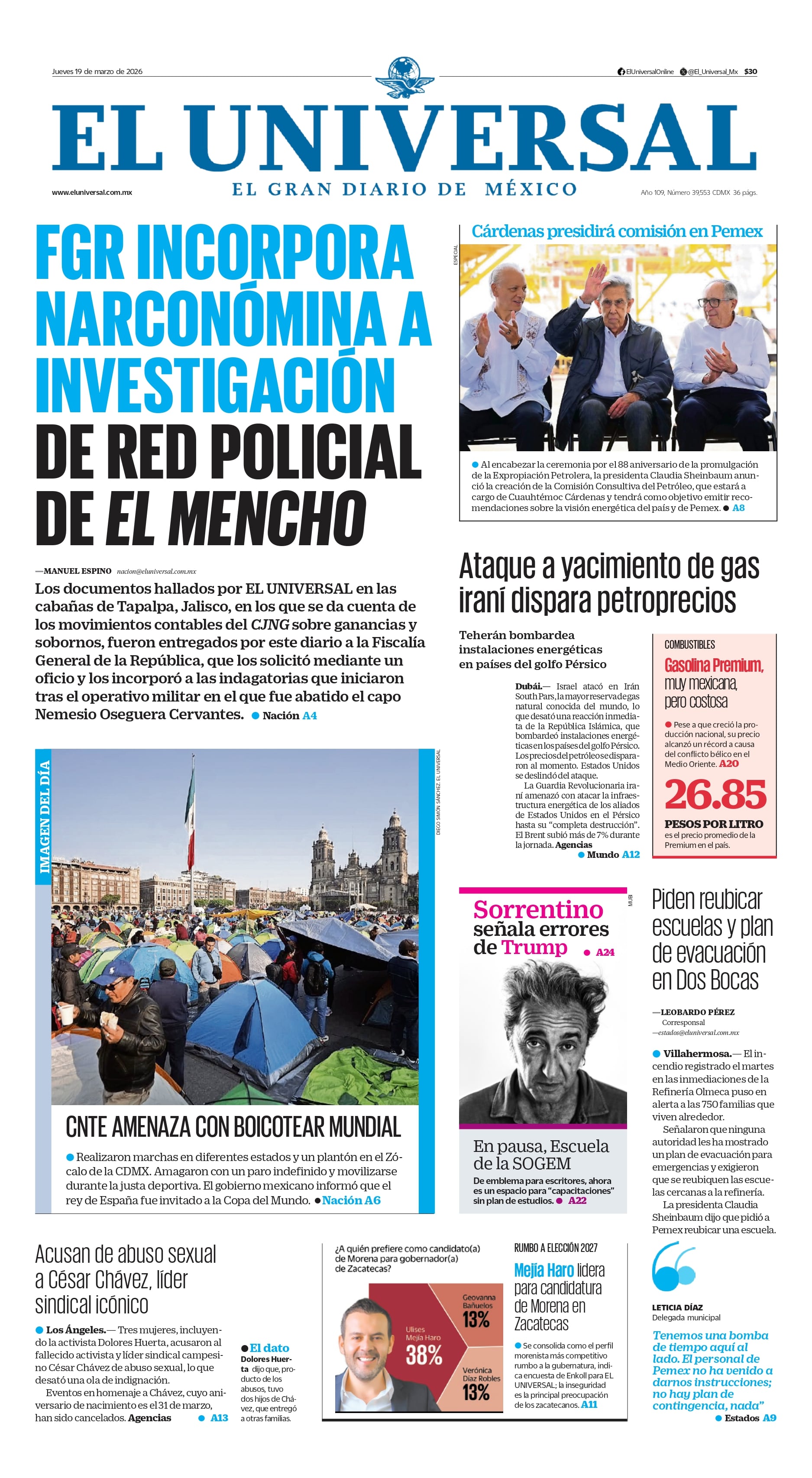
On March 19, 2026, the Mexican media landscape continued its digital transition as El Universal restricted access to its daily front page edition. The publication enforces strict visibility controls, making full content visibility available only to paying subscribers according to the current web interface. This strategic decision reflects a broader trend within the Latin American press industry toward diversified revenue generation models.
Users attempting to view the printed edition without an active account encounter a detailed privacy policy notification immediately upon loading the page. The site requests explicit consent for data tracking through cookies to enhance the user experience and display relevant localized content. This requirement aligns with global standards for digital privacy compliance in the region.
Industry analysts suggest that such restrictions are necessary to sustain ongoing operations amidst declining traditional print advertising revenue streams. Traditional newspapers in Mexico have faced significant financial pressure over the last five fiscal years due to market saturation. Subscription models now offer a more stable income stream compared to volatile display advertising platforms.
Consumer advocacy groups have expressed concern regarding accessibility of essential public information behind restrictive digital paywalls. The National Consumer Protection Agency monitors these practices to ensure complete transparency in all digital financial transactions. They argue that important public interest news should remain accessible to the general population without financial barriers.
El Universal, one of the oldest and most influential newspapers in Mexico City, continues to prioritize its comprehensive digital transformation strategy. Management has indicated that the physical print version serves as the primary anchor for the comprehensive digital subscription bundle. This hybrid approach aims to retain legacy readers while successfully attracting younger demographics accustomed to mobile access.
Recent economic data from the Ministry of Economy shows a steady increase in digital media consumption across the country during the first quarter. Inflation adjustments have also played a significant role in pricing strategies for subscription services offered by major publishers. Businesses must balance affordability with the need to cover operational costs effectively in a competitive environment.
Competitors in the sector, including major national dailies, have adopted similar access restrictions recently across their digital platforms. The market consolidation suggests a fundamental shift in how Mexican journalism is monetized at scale by independent entities. Readers are increasingly expected to pay for premium content curation and in-depth analysis rather than basic news updates.
Regulatory frameworks in Mexico are evolving to address the complex balance between commercial interests and public access to information. New legislation proposed by the Chamber of Deputies could impact how media companies handle sensitive user data and privacy. Stakeholders are awaiting further clarification on compliance requirements for digital platforms operating within national borders.
La Era has tracked these developments closely to understand the long-term implications for the broader media landscape and economic stability. The shift towards paid access may influence advertising rates for remaining free content available on the open web. Media companies must navigate these changes to remain competitive in the global information market and digital economy.
Looking ahead, the long-term sustainability of this new business model will depend heavily on the perceived value provided to subscribers. Market observers will watch for churn rates and customer retention metrics in the coming quarter to gauge success. The outcome could set a precedent for other legacy publications in the hemisphere facing similar financial challenges.