Economists warn that economic divergence is accelerating in 2026 as fresh data reveals stark contrasts between income groups across the United States. New research indicates the wealthiest Americans drive a disproportionate share of national consumption during this specific period. This trend defines the current K-shaped recovery that separates the financial haves from the have-nots in unprecedented ways.
Mark Zandi noted the top 10% accounted for 49% of consumer spending in the second quarter of 2025. This concentration creates a resilient facade for aggregate data while masking underlying fragility in the broader population. Roughly half the economy relies on spending from the wealthiest one tenth of households. Such metrics highlight the extreme reliance on high-net-worth individuals for growth. This data suggests a significant shift in economic power dynamics.
The concept gained traction during the pandemic from an anonymous Twitter user known as Ivan the K. Shelley and the Bible offered earlier philosophical precedents for the phenomenon of wealth accumulation historically. Reaganomics in the 1980s marked the structural divergence start between productivity and wages significantly. The pattern has persisted through multiple economic cycles since that era began.
Stock market rallies incentivize the wealthy to spend despite ongoing inflation pressures across the nation. Fast-casual restaurants report lower-income customers pulling back and preferring to dine at home frequently. Morgan Stanley’s Lisa Shalett called the inequality wackadoo in an October 2025 interview with Fortune. She noted that 90% of the country accounts for only half the consumption. Her analysis underscores the fragility of relying on top income earners for stability.
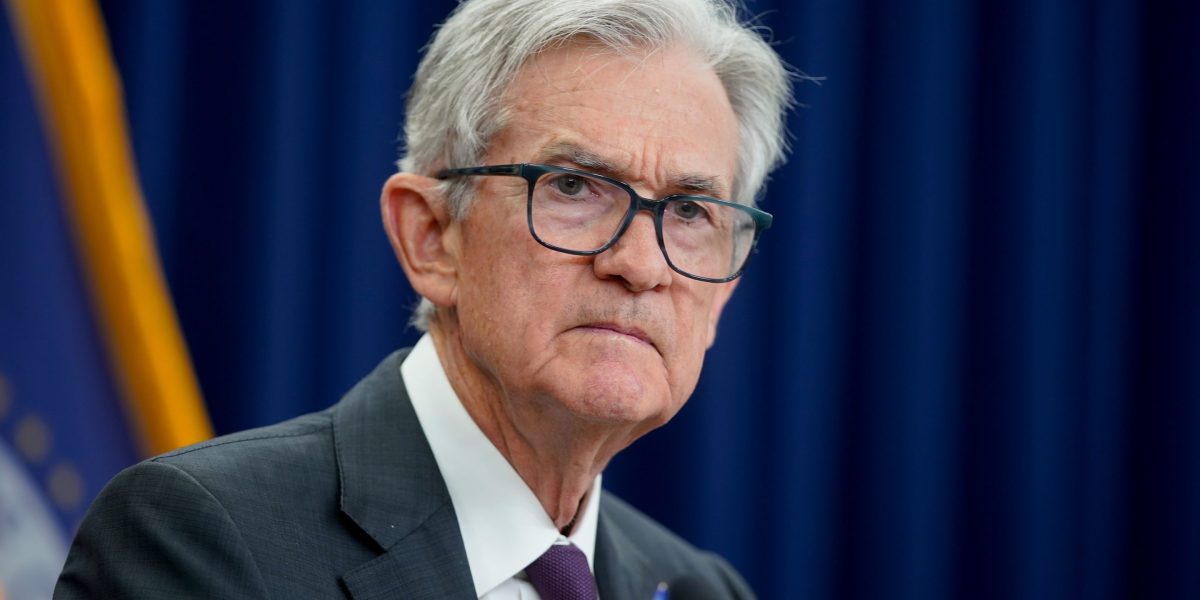
Federal Reserve Chair Jerome Powell acknowledged the pattern in December meetings regarding consumer reports. Earnings reports from companies serving moderate-income people confirm belt tightening is widespread everywhere. The divide is clearly visible across income levels according to official statements released. Powell stated that low-income households are changing products they buy regularly. This observation confirms the bifurcation affecting daily commerce.
Tyler Schipper noted the middle class gets pushed into the lower half of the economic spectrum rapidly. Discount retailers see mid-income earners flocking to them as prices rise significantly. Tariffs impact essential goods disproportionately for the poor according to Yale Budget Lab calculations. This dynamic forces families to choose between essentials and discretionary spending. The trend reflects broader vulnerabilities in household finances across the region.
Monetary policy plays a role in reinforcing the split between asset holders and borrowers nationally. The Fed raised rates 11 times between 2022 and 2024 to curb inflation significantly. Fiscal policy changes are necessary to address the gap according to Zandi. Restrictive monetary policy makes it unlikely for the two diverging lines to converge soon.