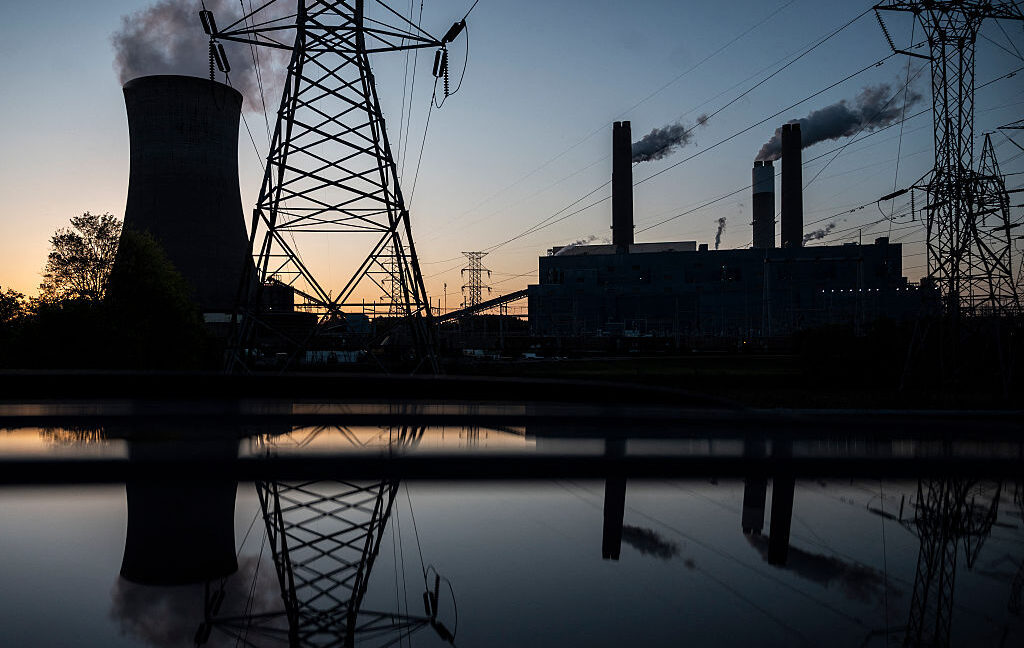
The Department of Energy issued a new emergency order on Monday requiring the TransAlta Centralia Coal Plant in Washington to remain operational through mid-June. This directive blocks the scheduled closure of the facility, which was originally set to convert to natural gas generation last year. Officials stated the measure ensures Americans in the Northwestern region have access to affordable and secure electricity. The order overrides previous market decisions regarding the plant's lifecycle.
The previous emergency mandate expired yesterday, prompting the administration to extend the requirement immediately to prevent any interruption. Press releases from the energy department described the action as a necessary step for grid reliability during the upcoming season. However, recent data suggests the plant contributes negligible power to the regional network despite the regulatory pressure.
The Environmental Defense Fund analyzed generating statistics for the specific area served by the TransAlta Centralia Coal Plant. According to Energy Information Administration data, coal contributed just eight megawatt-hours in January and February. This output represents roughly the same energy production as solar panels on a single residential home over eight months. The data highlights a disconnect between policy and actual grid needs.
Critics argue the plant is simply maintaining capacity to come back online rather than providing active power to the grid. The Environmental Defense Fund noted this pattern is consistent with keeping the infrastructure dormant but ready for future demand. Such operations incur significant costs without delivering significant energy to the regional network. This suggests the order serves political rather than technical purposes.
This move aligns with a broader strategy by the Trump administration to counter the economic decline of coal power generation. Federal officials have utilized the Federal Power Act and executive orders declaring an energy emergency to block closures nationwide. The Department of Energy has accompanied these orders with press releases suggesting grid stability is the primary motivation.
The economics of coal power generation remain marginal at best in the current market environment. A large number of coal plants have shut down as cheaper renewables and natural gas have surged in popularity. Government intervention attempts to swim against this economic tide through regulatory mandates that override market signals. This creates inefficiencies in the national energy supply chain.
Market forces typically dictate that inefficient generators exit to make room for more cost-effective sources of electricity. Regulatory barriers now prevent this natural transition in specific instances across the United States energy sector. Analysts warn this could distort electricity pricing and delay the adoption of cleaner technologies for years. The cost of maintaining these plants falls on ratepayers eventually.
What happens after mid-June remains uncertain for the Centralia facility and similar plants across the country. Further extensions are possible if the administration maintains its current stance on energy security and grid reliability. Observers will watch for legal challenges from state regulators or environmental groups seeking to enforce market rules. The timeline for the next decision remains unclear at this moment.
The situation highlights the tension between federal energy policy and local economic realities in the Pacific Northwest. Utilities face difficult choices between complying with orders and managing the financial burden of underutilized assets. This dynamic could influence future investment decisions in the broader power generation sector. State-level regulators may push back against federal overreach.
International observers note that such interventions may signal a shift in how the United States approaches energy transition policies. The long-term impact on global climate goals depends on whether these mandates persist beyond the current administration. The outcome will likely shape regulatory frameworks for fossil fuel infrastructure for decades. This sets a precedent for future energy governance globally and influences international trade agreements.