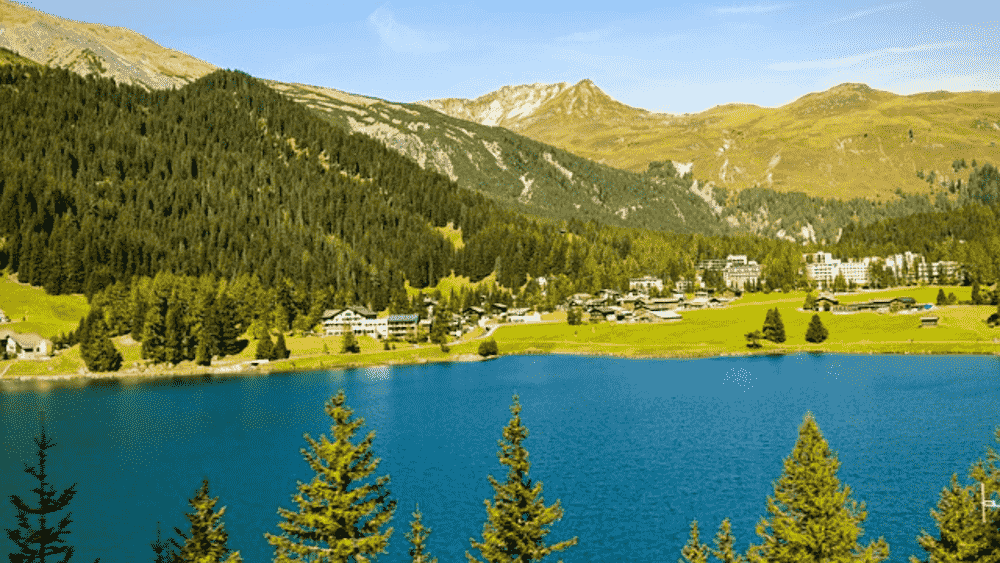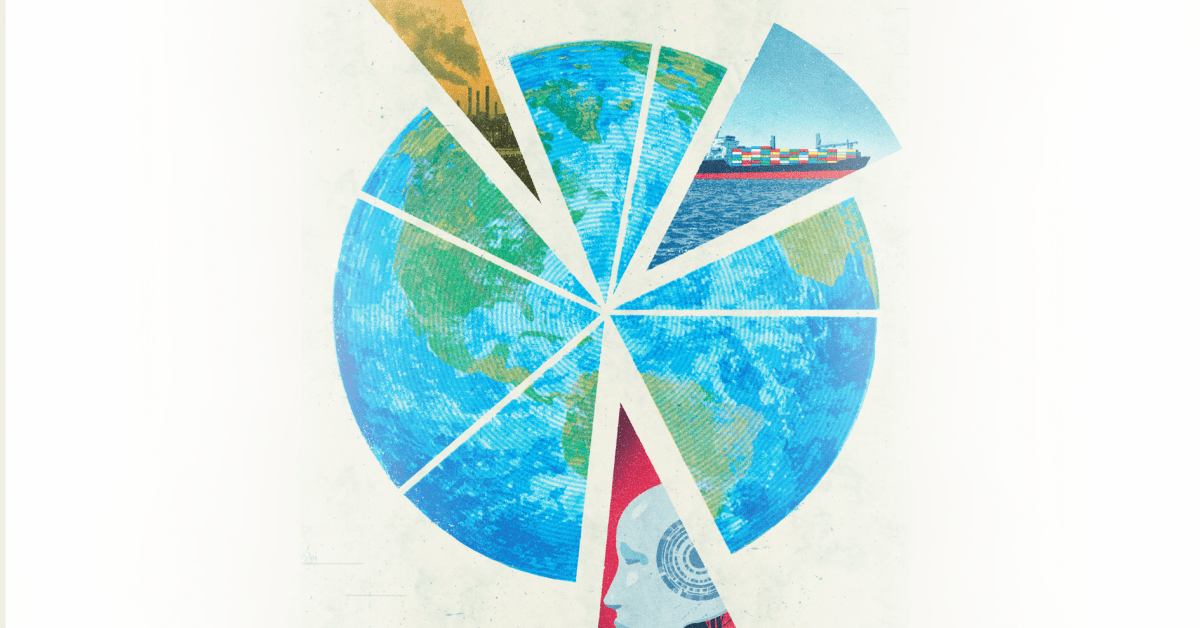
World leaders convened in Davos this week for the 2026 World Economic Forum annual meeting in Switzerland. The gathering highlights a global transition driven by rapid artificial intelligence adoption and shifting geopolitical alliances. Reports indicate that former US President Trump's foreign policy gambits are reshaping international trade dynamics significantly.
Artificial intelligence dominates the economic agenda with severe warnings of labor market disruption affecting millions of workers. IMF Managing Director Kristalina Georgieva described the technology as a tsunami hitting jobs across multiple sectors globally. Qualcomm CEO Cristiano Amon outlined future capabilities that could redefine global connectivity standards for consumers. Industry leaders urge caution regarding automation without robust social safety nets for displaced workers.
Geopolitical stability remains a primary concern for attendees representing emerging markets and the European Union. World Economic Forum President Borge Brende discussed economic growth alongside national security risks for member states. Ian Bremmer analyzed how Trump’s power will be checked in 2026 through legislative and judicial means. Diplomatic relations appear strained compared to previous summits held in Geneva during the last decade.
Trade policies continue to generate significant debate among financial experts and central bankers regarding inflation concerns. Robert Lawrence compared Trump's tariffs to termites slowly destroying economic foundations from the inside out. Conversely, Goldman Sachs CEO David Solomon expressed optimism about the US economy despite significant headwinds. These diverging views suggest uncertainty regarding future market stability and inflation rates for consumers.
Climate change intersects with economic policy in unexpected and critical ways for carbon emissions. Marc Benioff and Ed Russo proposed ending the era of megafires through new funding mechanisms and advanced technology. Dame Ellen MacArthur argued that the planet needs us to disrupt the economy fundamentally to survive. Sustainability goals now compete with immediate industrial demands for energy and natural resources.
Social equity issues surface alongside technological advancement and corporate responsibility for civil rights. Robert F. Smith stated that it is not enough to honor MLK’s dream without funding it adequately. Amal Clooney questioned why AI systems do not advance justice in legal frameworks globally. Policymakers face pressure to address inequality driven by rapid tech growth and wealth concentration.
Resource security drives discussions regarding Africa's mineral makeover for battery production of cobalt and lithium. Charlie Campbell reported on how supply chains are shifting to secure critical minerals for green tech. This development alters global dependency structures for technology manufacturing and defense industries. Developing nations seek greater value capture from their natural resources rather than raw exports.
The 2026 summit reflects a departure from the globalization era of the past decade and 2020s. Fragmentation and protectionism now define the international economic conversation among major powers. The meeting occurs in a post-pandemic, post-election reality for many nations worldwide. Old alliances are being tested by new economic priorities and security concerns.
Economic forecasts remain mixed as leaders weigh innovation against social stability and legislative action. Georgieva warned of job losses from automation requiring immediate policy responses from governments. The gap between technological speed and regulatory frameworks widens annually without intervention. Governments must balance innovation with social stability to prevent widespread unrest.
Attendees will watch for specific policy announcements in the coming weeks of the conference. Markets react quickly to the tone of the discussions held in the Swiss Alps. The path forward requires collaboration despite deep political divisions between nations. Stakeholders must prepare for a more volatile global environment in the near future for investors.