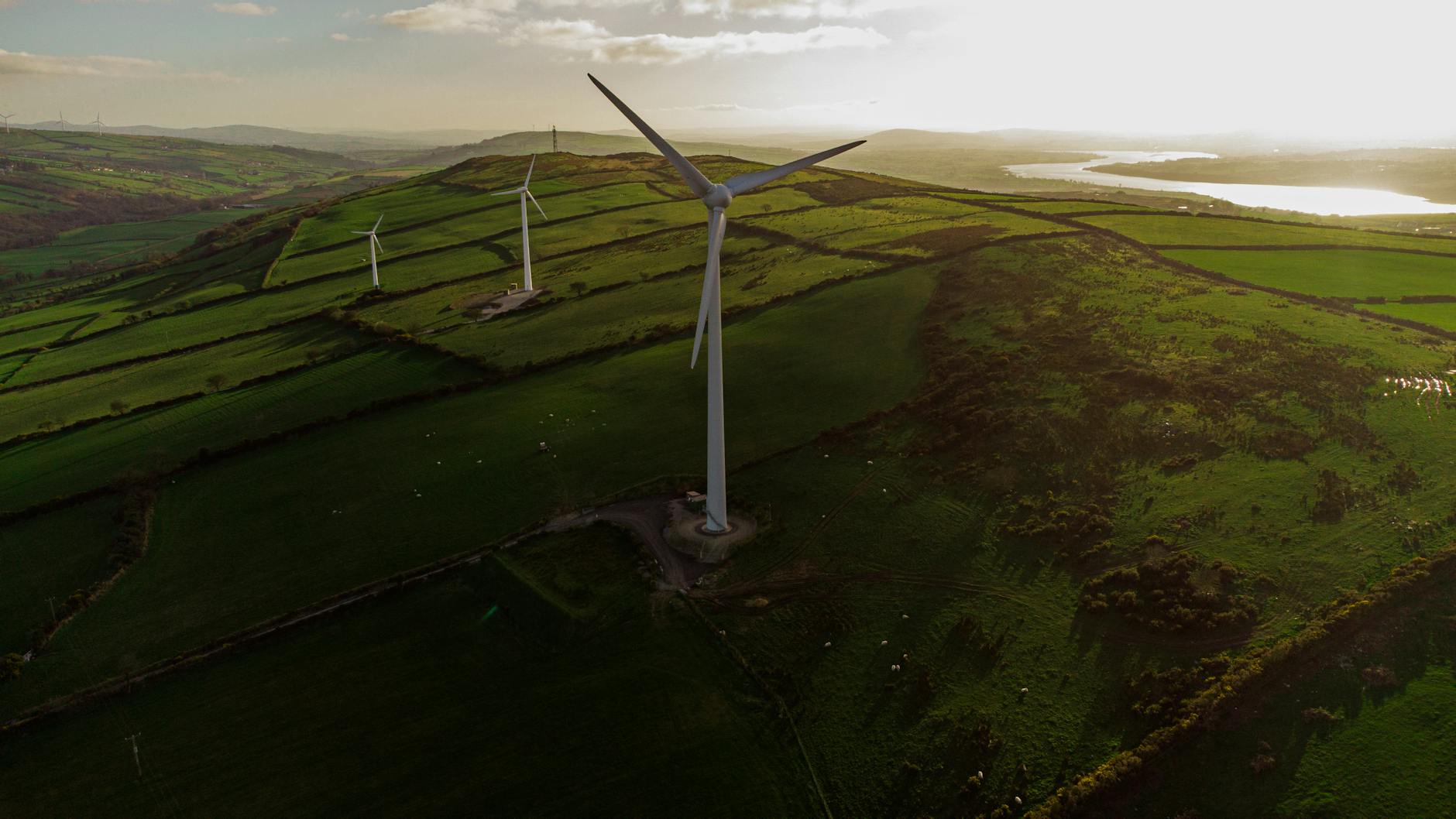
The Danish island of Samsø is demonstrating significant energy resilience through its extensive wind farm network, offering a potential model for nations facing geopolitical instability. This development occurs as tensions between the United States, Israel, and Iran threaten global oil supply chains during the spring of 2026. Renewable infrastructure on the island stands in stark contrast to the volatility seen in fossil fuel markets globally.
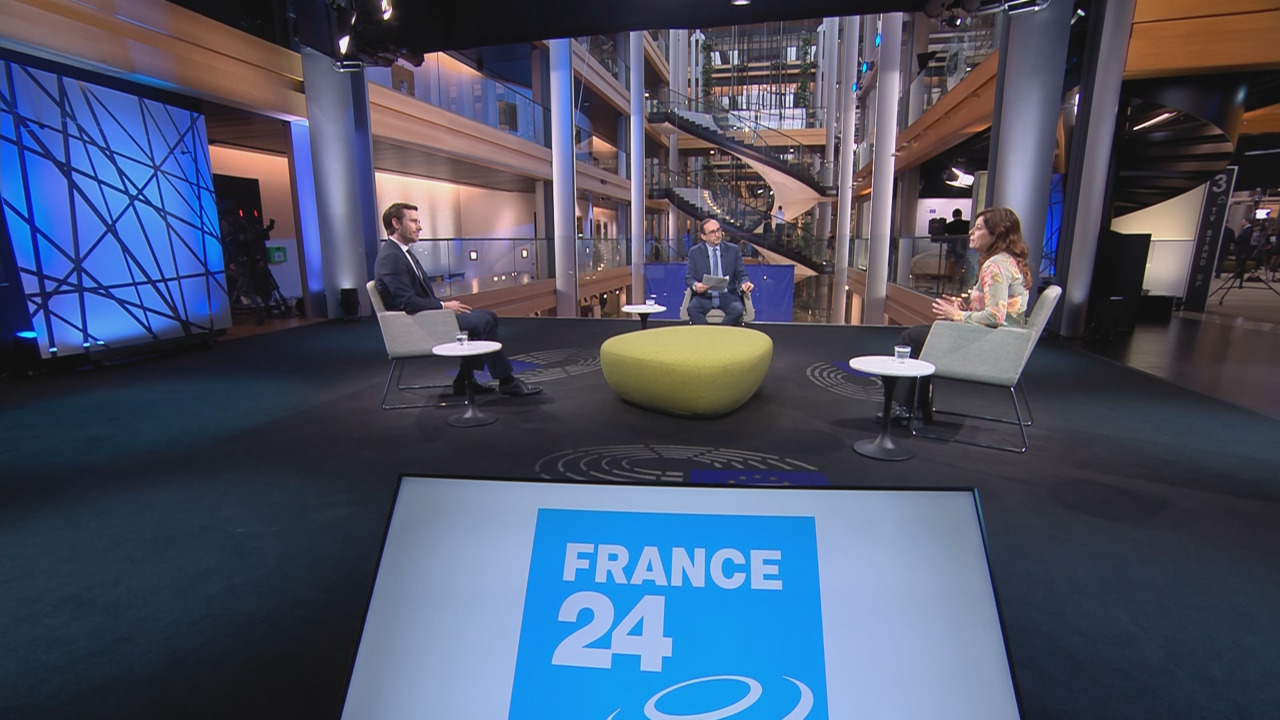
Samsø has achieved near-total energy independence using wind and solar power, a feat reported by France 24 in their recent broadcast. The island generates more electricity than it consumes, allowing it to feed surplus power back into the mainland grid system efficiently. Local residents own the majority of the turbines, fostering strong community support for the energy transition.
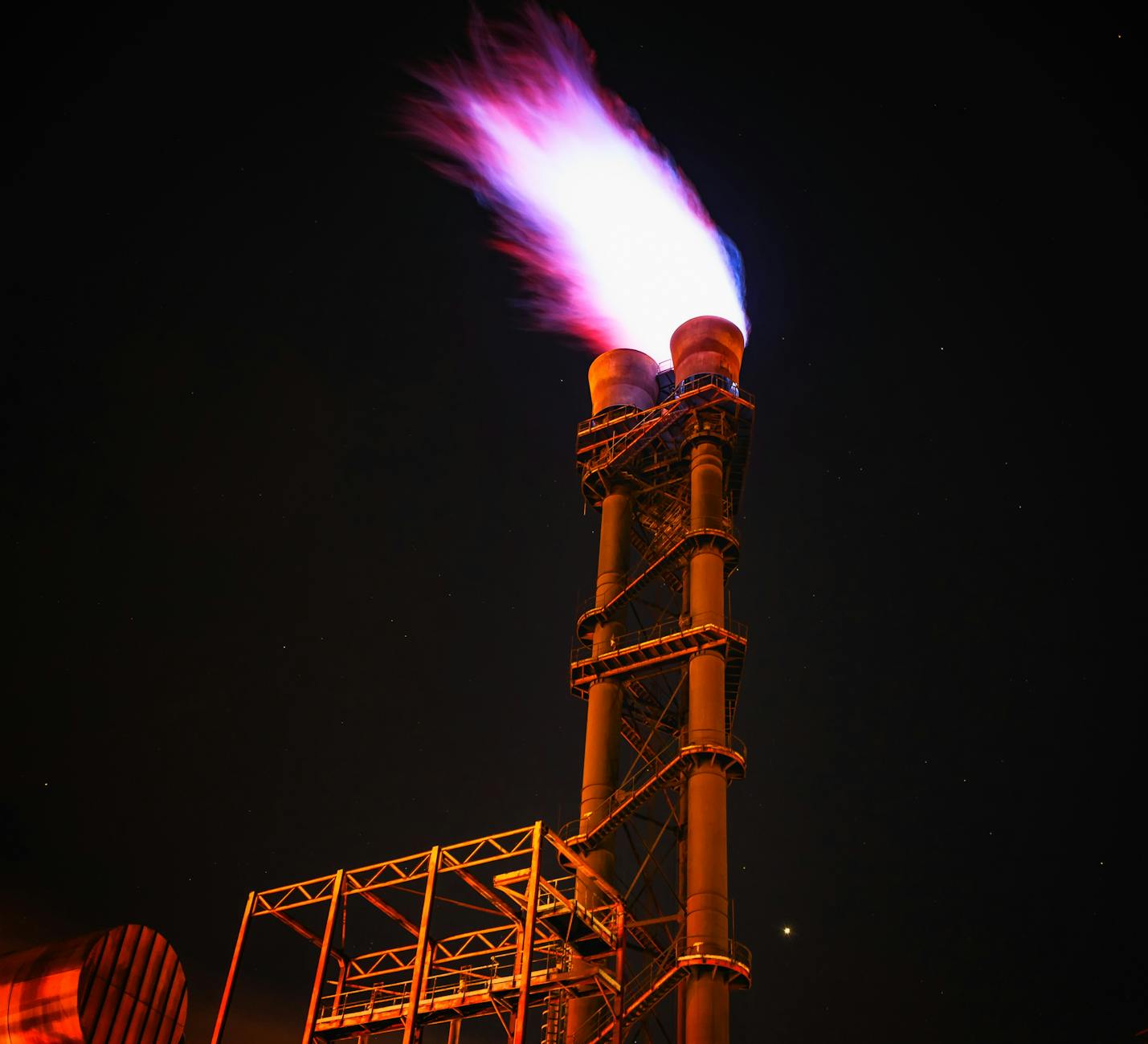
Recent conflicts in the Middle East have highlighted the critical fragility of traditional centralized energy systems worldwide. The Strait of Hormuz remains a vital bottleneck for global oil shipments, driving prices upward significantly this quarter. Analysts warn that reliance on imported hydrocarbons exposes economies to sudden and severe supply shocks that impact inflation rates by over 5%.
Energy security experts argue that decentralized renewable systems reduce vulnerability to external political pressure from hostile entities. Samsø serves as a practical case study for how local production can insulate communities from international market fluctuations. Investors are increasingly viewing such projects as stable long-term assets with predictable returns.
This shift contrasts sharply with previous global energy strategies that prioritized centralized fossil fuel infrastructure over local generation. Decades of massive investment in oil and gas pipelines created dependencies that are now proving costly during these crises. The current economic instability underscores the significant risks of maintaining the previous status quo.
Malcolm Brabant, reporting for France 24, noted the island’s success as a practical alternative to traditional volatile energy markets. He observed that the technology is mature enough to handle baseload power requirements in many populated regions globally. This technical readiness suggests wider adoption could be feasible within the next decade without major delays.
European Union leaders are monitoring the Samsø model closely as part of broader energy diversification efforts across the continent. The bloc aims to reduce dependence on Russian and Middle Eastern sources through accelerated green transition policies and subsidies. Policy frameworks may evolve to support similar community-owned projects across member states in the coming years.
Looking ahead, the long-term viability of this model depends heavily on grid modernization and storage capacity improvements. Current battery technologies are advancing rapidly, though challenges remain for large-scale integration into existing networks. Policymakers must balance immediate security needs with long-term decarbonization goals effectively.
The economic implications extend beyond simple energy costs to include broader national security considerations for sovereign states. Nations that prioritize renewable independence may gain diplomatic leverage in conflict zones involving resource control. Conversely, those dependent on volatile markets face continued exposure to price manipulation by external actors.
Samsø provides a tangible example of how local action contributes to global stability and economic predictability for all nations. Its experience suggests that decentralized energy networks offer a viable hedge against geopolitical risk in uncertain times. Future reports will track whether other regions can replicate this transition successfully without significant hurdles.