Mexico is rapidly moving away from cash as contactless payments become a daily habit for millions of consumers. According to data provided by Francisco Valdivia, general manager of Visa Mexico, contactless transactions now represent approximately 30% of all card-based payments in the country.
This marks a significant increase from just two years ago, when the technology accounted for roughly 20% of transactions. The shift is driven by the widespread adoption of smartphones, the rise of fintech platforms, and an ongoing effort to modernize payment infrastructure.
Digital adoption accelerates through mobile technology
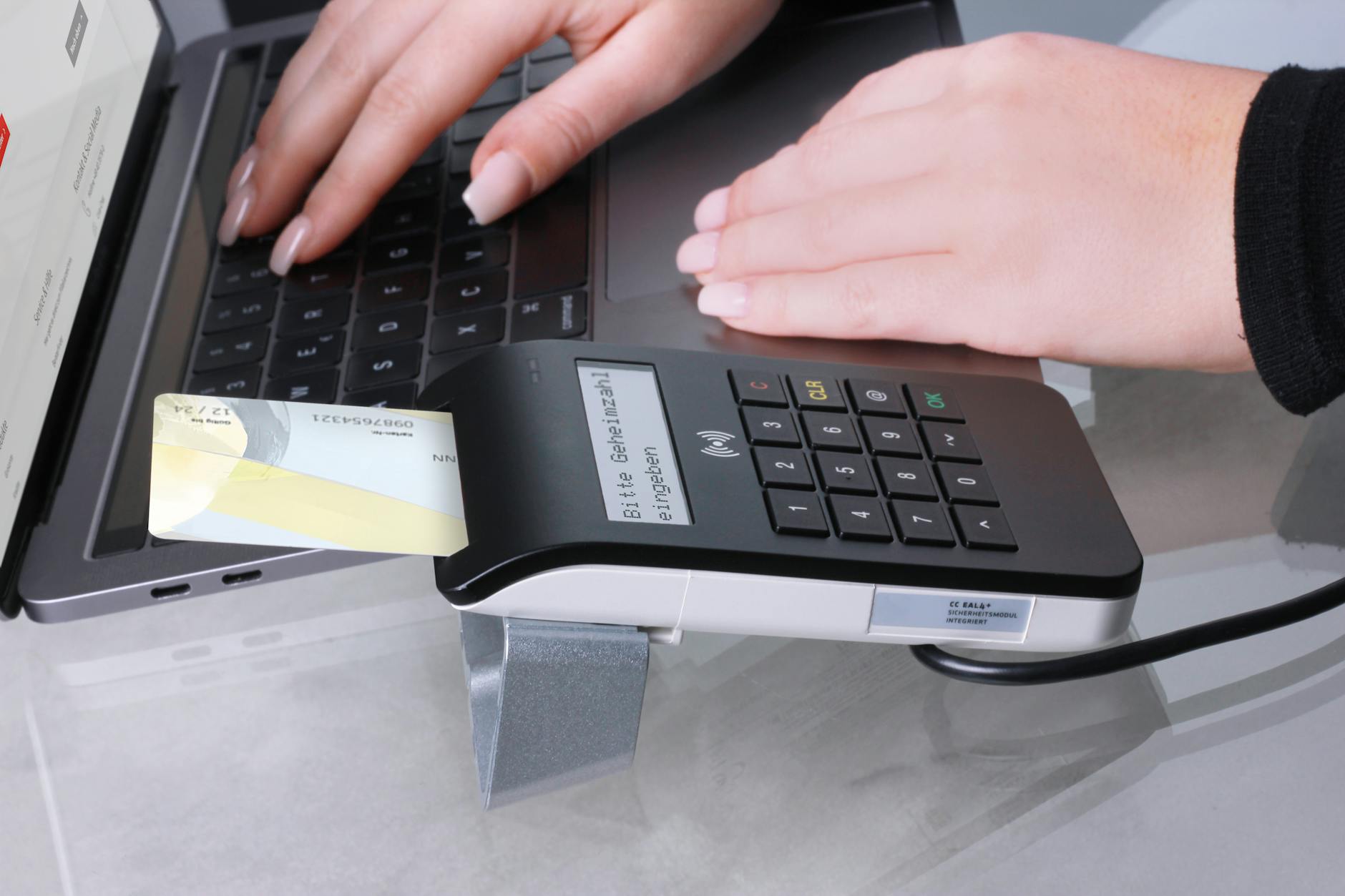
The technological backbone of this transition is Near Field Communication (NFC), which allows users to complete purchases by tapping a card or smartphone against a terminal. The process utilizes tokenization and encryption to secure user data, making it both faster and more secure than traditional methods that require inserting a card or entering a PIN.
Industry leaders and government officials are pushing for further digitization to reduce the dominance of cash. During the 89th Banking Convention, financial sector representatives highlighted the need to expand electronic payment systems into traditionally cash-heavy areas, such as gas stations and toll booths. Projects like CoDi and DiMo are central to these efforts.
Small businesses are also playing a critical role in this ecosystem. Companies like Mercado Pago and Apple are lowering barriers to entry by turning standard smartphones into payment terminals. Visa aims to digitize more than one million micro and small businesses by 2030, which would significantly expand the reach of electronic commerce.
Despite the rapid growth, cash still maintains a stronghold in the Mexican economy. Sector data indicates that approximately 80% of all transactions nationwide are still conducted in cash, highlighting the scale of the transition still ahead.
External factors are further accelerating this trend. The upcoming 2026 FIFA World Cup is acting as a catalyst for infrastructure investment, particularly within the tourism and retail sectors. As demand for agile, frictionless payment methods increases, businesses are upgrading their point-of-sale systems to meet international expectations.
Market data underscores the momentum behind this shift. A report by Paymentology and Datos Insights revealed that Mexico now has 61.8 million credit and debit cards in circulation. Card spending grew by 20% through 2023, as more users who previously lacked access to the formal banking system began utilizing digital financial services.