Reciprocal tariffs of 30% commenced between Colombia and Ecuador at midnight on Sunday, February 1, immediately affecting dozens of imported products across both nations. This unilateral action raises concerns regarding the stability of bilateral commerce, which totaled approximately $2.8 billion last year, according to reports from TuBarco Noticias.
The imposition follows Ecuador's move to correct a substantial trade imbalance, where official figures show Ecuador held a deficit exceeding $1.0 billion against Colombia. Colombian exports to Ecuador reached roughly $1.8 billion annually, while Ecuadorian sales into the Colombian market stood closer to $900 million.
Ecuadorian President Daniel Noboa announced the tariff implementation on January 21 during the World Economic Forum in Davos, confirming the February start date without prior bilateral consultation. Colombia responded in kind, applying the 30% levy on approximately 50 specific Ecuadorian goods, including rice, footwear, aluminum tubes, and ethyl alcohols.
Trade associations in both countries have issued warnings regarding potential economic repercussions stemming from these protectionist measures. Exporters are urging a resumption of dialogue to de-escalate the situation, though current diplomatic engagements have yielded no substantive path toward resolution.
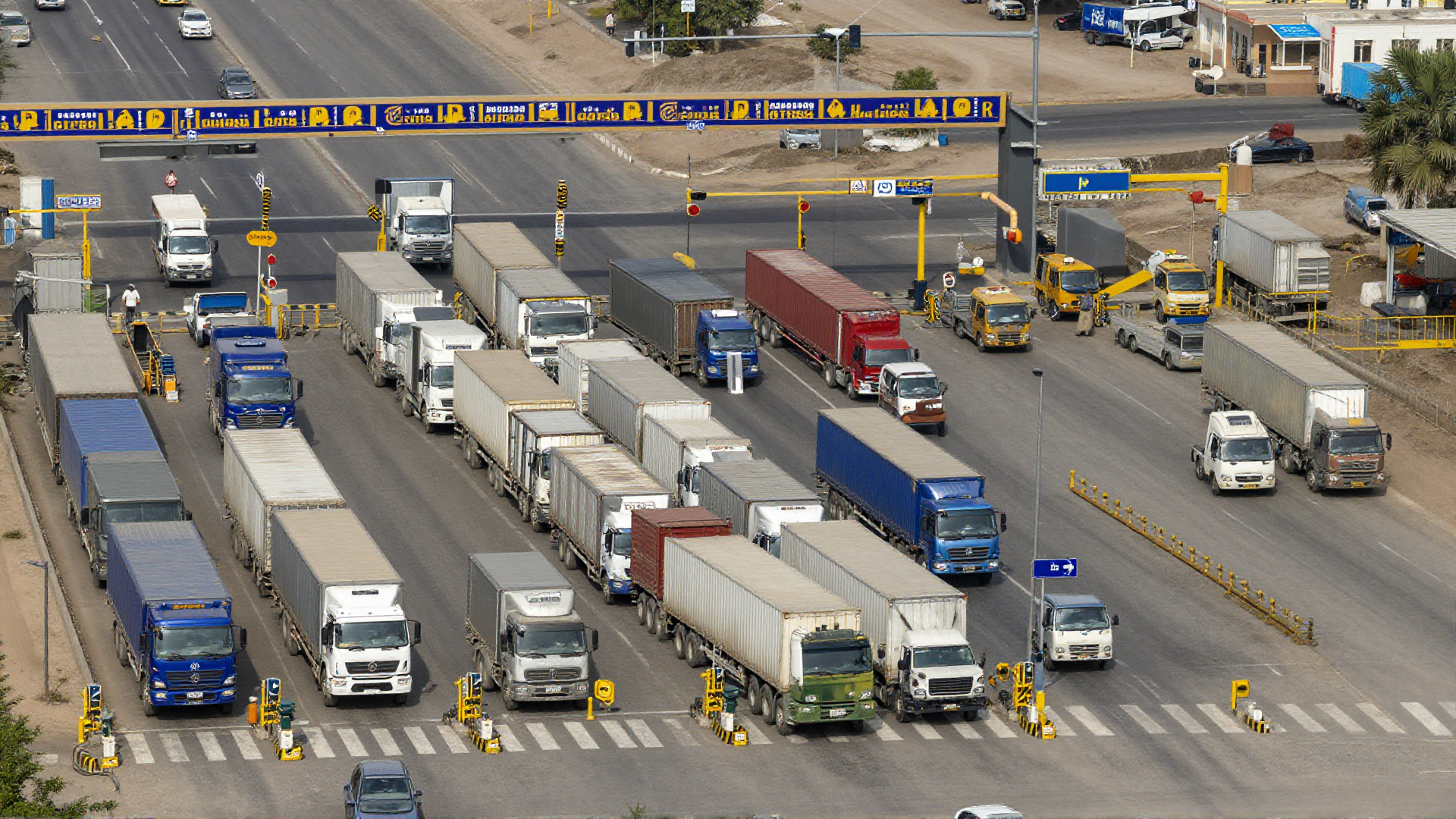
The immediate logistical fallout was evident at the Rumichaca international bridge, the sole operational land crossing between the two Andean neighbors. Transporters reportedly formed lines stretching up to 600 meters over the weekend as they sought to clear customs before the new duties took effect.
This tit-for-tat tariff escalation introduces a new dynamic to the economic relationship between Bogota and Quito. Analysts suggest the move reflects a broader trend among regional governments prioritizing domestic production stabilization over immediate trade facilitation.