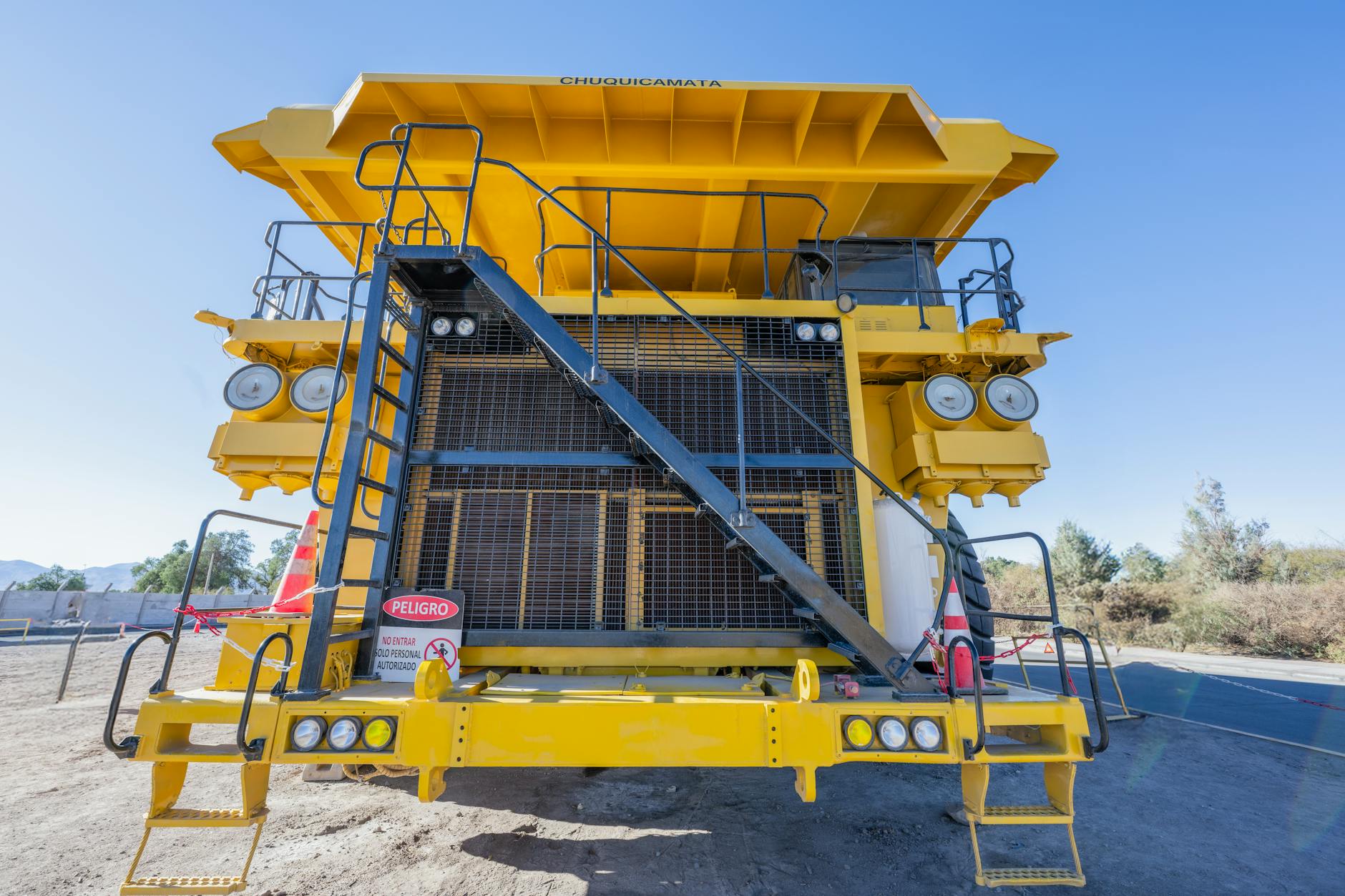
The Chilean mining industry is facing a direct threat to its operations following China's announcement to halt sulfuric acid exports starting in May. The move aims to prioritize domestic supply for the Asian giant's agricultural sector, but it leaves Chile, the world's leading copper producer, in a critical position.
According to Bloomberg, the Chilean industry imports over one million tons of this essential input from China annually. Sulfuric acid is vital for the leaching process of oxide minerals, a method that supports approximately 20% of the country's copper production, according to Revista del Minero.
The market has already reacted to the news. Bloomberg data shows that sulfuric acid prices in Chile have surged 44% over the last month. This spike is occurring even before the Chinese ban takes effect, driven also by geopolitical tensions and the closure of the Strait of Hormuz.
Structural shortages and rising costs
Analysts warn that the loss of Chinese volumes will be difficult to offset in the short term. Peter Harrisson, an acid analyst at consultancy CRU, noted that the parallel shortage of sulfur raw materials complicates the search for new suppliers.
Sarah Marlow, editor at Argus Acid, told Bloomberg that if the suspension continues throughout the year, Chilean producers will face even higher prices than those currently seen. The lack of sulfur is creating a structural bottleneck that limits the ability of other countries to increase their supply.
A prolonged disruption in exports could force an increase in operating costs and reduce production at mines that rely on leaching. Reports from Acuity suggest the ban could extend as far as 2026.
Given this scenario, mining companies will have to compete in a highly strained international market. The reliance on Asian imports exposes the vulnerability of the Chilean production chain to logistical restrictions and China's domestic demand priorities.