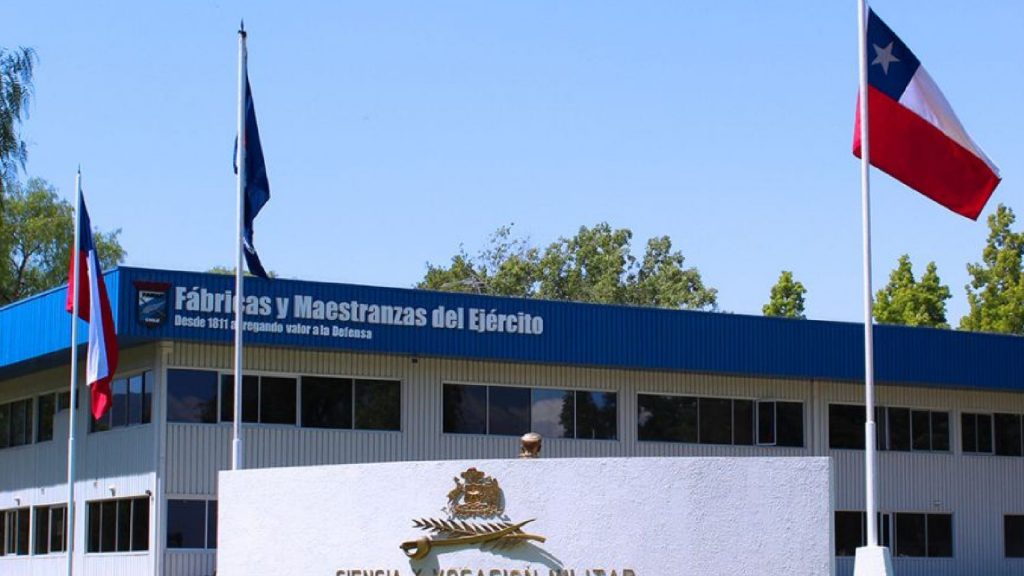
The General Comptroller of the Republic identified irregular payments exceeding $1,000 million to dismissed workers at the Army Maestranza Factory (FAMAE). An audit covering the period from 2022 to 2024 revealed indemnifications paid under mutual agreement clauses that do not legally require compensation under Chilean labor law. The findings appear in Final Report N.º 750 of 2025, according to reports by ADN Radio and El Pulso regarding the administrative oversight of the state-owned entity.
Sixty-three officials received payments classified as mutual agreement terminations, accumulating amounts surpassing one billion pesos during the review period. At least four specific cases involved indemnifications exceeding $100 million each, prompting observation by the fiscalizing body due to significant legal inconsistencies. These large payouts occurred despite the contractual clause typically precluding mandatory severance payments for such terminations under the company's bylaws.
The audit further detected that several of these workers were subsequently rehired in the same positions without a formal selection process or public tender. This practice represents a significant irregularity within the administrative procedures reviewed by the agency and violates recruitment transparency norms established for public companies. Such reconstitutions suggest potential manipulation of dismissal and recruitment protocols to maintain staffing levels without competitive pressure from external candidates.
Beyond personnel management, the Contraloría identified procurement failures regarding the acquisition of industrial machinery critical for defense manufacturing and maintenance. In August 2023, FAMAE purchased a laser machine for approximately $70 million through a direct deal without accredited exclusivity or proper justification for the vendor. This transaction lacked required technical-financial analysis or competitive offers from other suppliers, according to Pauta.
Operational issues with the equipment emerged shortly after installation, with failures reported four months into use by the operational teams managing the factory floor. The machinery remained inoperable until at least April 2025, complicating maintenance and production capabilities for the factory significantly. Authorities noted the inability to demand accountability from the supplier due to the procedural gaps in the initial agreement and contract terms.
The fiscalizing entity ordered the FAMAE Superior Council to initiate an investigation into potential administrative responsibilities for the involved managers and officials. Additionally, the agency forwarded evidence to the Ministry of Public and the Council for Defense of the State for further legal action and potential prosecution. These steps aim to determine liability regarding both the payroll irregularities and the procurement anomalies identified in the comprehensive report.
State-owned defense enterprises like FAMAE operate under strict budgetary controls mandated by the Chilean government and public finance laws to ensure accountability. Deviations from standard indemnification protocols raise questions regarding internal governance and fiscal discipline within the defense sector and its subsidiaries. Such findings often trigger broader reviews of public enterprise management structures across the sector to ensure compliance and transparency for taxpayers.
The situation underscores ongoing challenges in overseeing large public sector expenditures in the defense industry amidst economic pressures and budget constraints. Future audits will likely focus on compliance with acquisition manuals and termination agreements to prevent recurrence of these issues in similar entities. Observers will monitor whether the Ministry of Public pursues criminal or administrative charges against responsible parties involved in the decisions.
This investigation highlights the need for stricter oversight mechanisms within state-owned enterprises to prevent misuse of public funds and administrative discretion. The outcome may influence policy adjustments regarding worker dismissal procedures and procurement thresholds in similar organizations across the government. Continued scrutiny is expected as the legal proceedings progress through the judicial system and administrative channels to restore public trust.