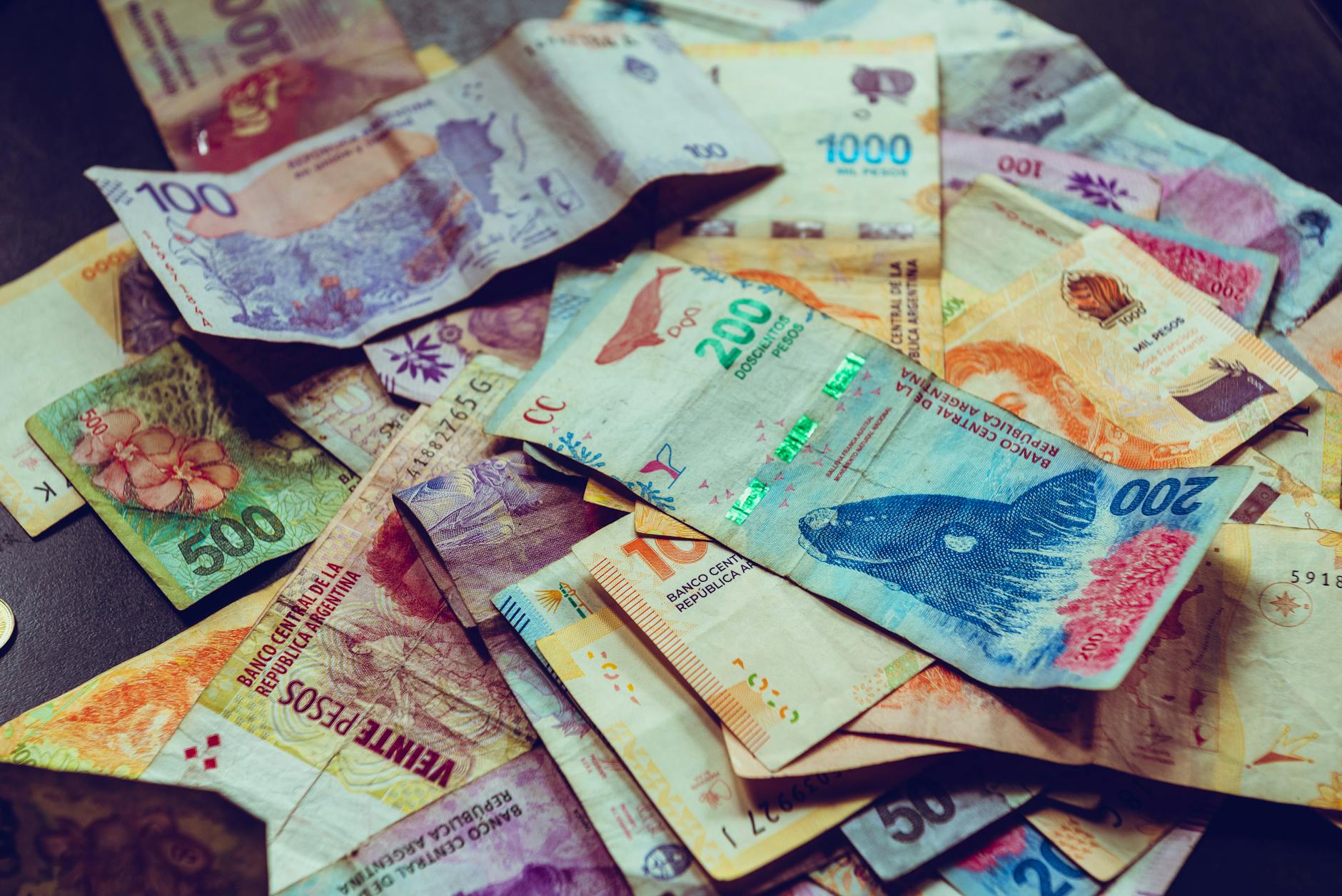
The Central Unitaria de Trabajadores (CUT) has rejected recent statements from Chile's Ministry of Labor suggesting that minimum wage increases must be limited to protect employment and economic growth.
José Manuel Díaz, president of the CUT, stated that the union does not share the government's vision regarding the upcoming negotiations. He argued that the focus should remain on recovering the purchasing power lost by workers due to rising costs.
“Our concern is with workers, their incomes, and the loss of purchasing power that currently affects the entire wage chain,” Díaz said following a meeting with opposition lawmakers.
Focus on cost of living
The dispute follows comments from Labor Minister Tomás Rau, who suggested that recent significant increases in the minimum wage may need to be tempered. Rau cited the recent public sector readjustment as an example of a move that required a "dose of reality."
Díaz countered that the upcoming 2026 minimum wage negotiation represents a vital opportunity for the executive branch to address the rising cost of living. He specifically pointed to the surge in fuel prices as a primary driver of economic pressure on families.
“The negotiation and readjustment of the minimum wage is an opportunity for the government to provide citizens with the recovery of purchasing power that has been eroded by the increase in gasoline and the general rising cost of life,” Díaz said.
The union leader noted that the removal of containment mechanisms like the Mepco has led to sharp increases in fuel prices. This spike, the CUT claims, has directly impacted the costs of transport, food, medicine, and essential services.
As the union prepares for formal negotiations, Díaz insisted that the process must prioritize the real needs of working families over fiscal containment or pro-business logic. He called for a readjustment that accounts for both inflation and the specific impact of fuel costs on the broader economy.