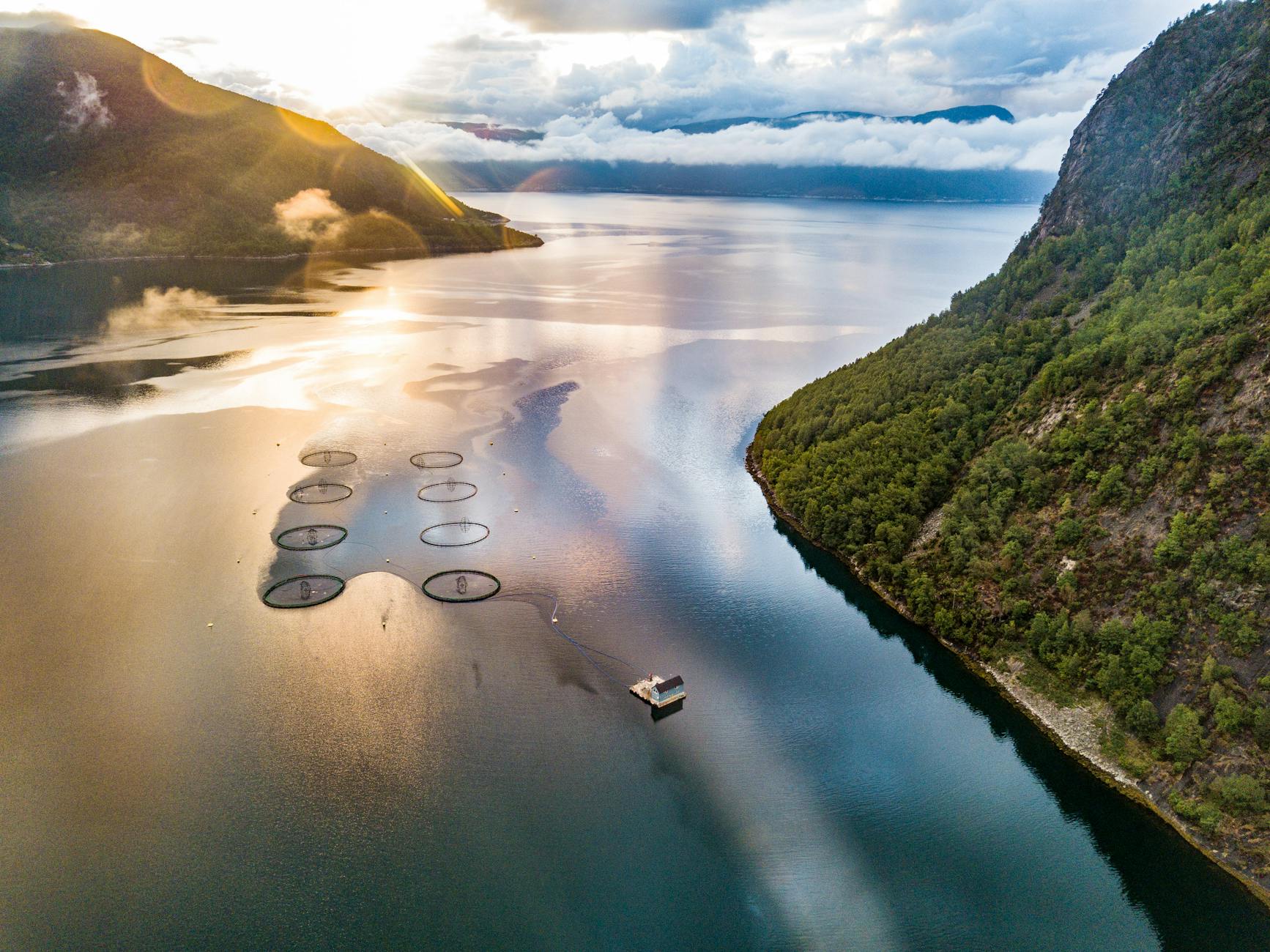
Chile is deploying artificial intelligence and advanced digital processes to surpass Norway as the preeminent global salmon producer, according to reports from CNN Chile. The national aquaculture sector is adopting a new technological framework to secure global market dominance.
The initiative, labeled "Aquaculture 4.0," focuses on the comprehensive digitalization of production cycles. This strategy relies heavily on large-scale data analysis to drive operational improvements across the industry.
Scaling operations through data
The transition aims to stabilize production in Chile's most geographically challenging regions. By utilizing AI, companies can manage fish stocks in extreme maritime zones with unprecedented precision.
Digital tools allow for the real-time monitoring of water temperature, oxygen levels, and feeding patterns. These advancements reduce waste and improve the overall health of the salmon populations.
CNN Chile notes that the primary goal of this technological shift is to overtake Norway in the global salmon trade. Achieving this requires a significant increase in efficiency and a reduction in biological risks.
The integration of sensors and automated systems provides a clearer picture of the biological processes occurring in the fjords. This data-driven approach helps producers respond to environmental changes before they impact yields.
The implementation of "Aquaculture 4.0" involves upgrading existing infrastructure to support high-speed connectivity. This ensures that remote sites can transmit vital information to centralized control centers instantly.
Automated feeding systems use algorithms to determine the exact amount of nutrients required, minimizing environmental impact. These systems reduce the amount of unconsumed feed that settles on the seabed.
Predictive modeling also plays a crucial role in the new strategy. By analyzing historical data, producers can forecast potential disease outbreaks or algae blooms in specific areas.
The shift toward digitalization also targets the optimization of logistics and supply chains. Improved tracking allows for better management of the movement of products from the southern fjords to international markets.
The expansion of connectivity in the southern fjords allows for the integration of satellite technology into the aquaculture grid. This infrastructure supports the real-time transmission of biological data from the most isolated sea pens.
The push for digitalization includes the installation of new sensor networks across the southern fjords. These networks provide the raw data necessary for the country's new predictive analytics models.