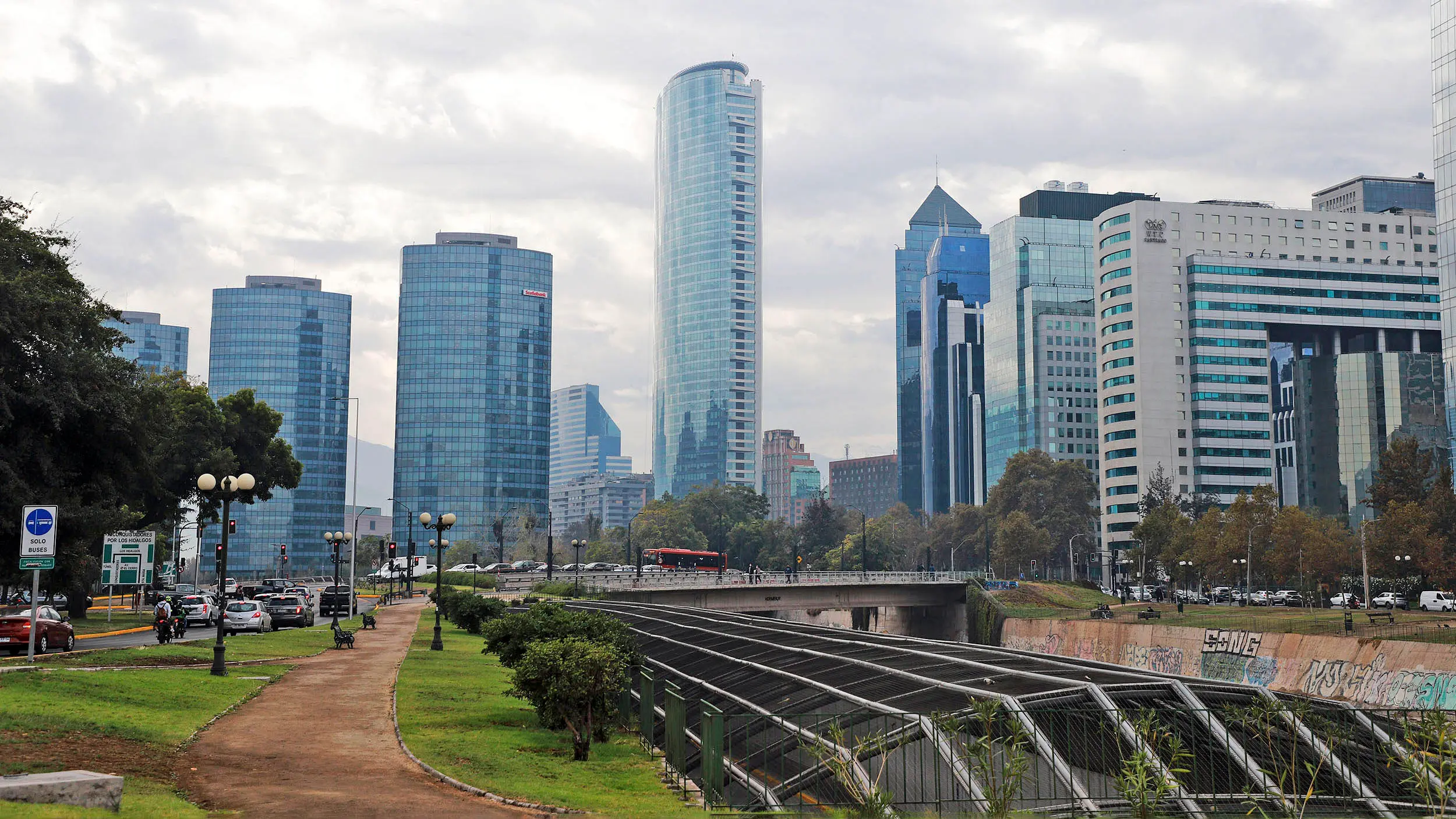
The Central Bank of Chile officially announced that the national gross domestic product expanded by two point five percent during the full calendar year of 2025. This economic growth resulted primarily from increased investment levels and robust household consumption across the country. The data represents a positive shift compared to the preliminary forecast of two point four percent issued in the December monetary policy report. This announcement signals a turnaround for the South American nation.
Investment specifically surged by eight point nine percent over the same period according to the latest accounts. Fixed capital formation grew by seven percent, marking the strongest performance recorded since 2021. Officials attribute this significant increase to higher purchases of electrical equipment and transport vehicles like trucks and buses.
Commerce, personal services, manufacturing, and business services contributed significantly to the overall expansion. The report indicates that most economic activities posted positive figures during the twelve months in question. These sectors drove the momentum despite underlying challenges in other traditional areas of the national economy.
Exports rose by four point six percent, supported by shipments of cherries, nuts, gold, and processed food products. Imports increased more sharply at 10.5 percent, driven largely by machinery and electronic appliances for industrial use. Tourism spending also saw an upward trend alongside these trade figures, reflecting broader economic confidence.
Mining, the country's primary economic activity, recorded a notable decline in output during the reporting period. Areas related to electricity, water, and waste management also faced contraction alongside the extractive industries. These drops offset some of the gains seen in the service and manufacturing sectors, creating a mixed picture.
The financial regulator updated historical data for 2023 and 2024 to reflect more accurate measurements following internal reviews. Growth for 2023 rose from zero point five percent to zero point seven percent, while 2024 increased from two point six percent to two point eight percent. These adjustments provide a clearer and more reliable picture of recent economic performance trends.
Inflation concluded the year at three point five percent, the lowest level recorded in the last five years for the region. This stabilization aligns closely with the Central Bank's official target range for price stability within the economy. Lower inflation supports purchasing power for consumers and businesses alike throughout the nation.
Economists now expect growth to remain stable between two percent and three percent for the coming year ahead. Inflation should converge toward the three percent target during the first months of 2026 as planned. Markets will monitor these indicators for signs of sustained recovery and policy effectiveness. Central Bank officials will release further guidance next quarter.
The source of this information comes from a report published by Forbes.cl citing official data from EFE. This publication highlights the economic recovery as a key indicator for investors in the Latin American region. Such detailed reporting helps international stakeholders understand the stability of the Chilean financial system.
Future economic health depends on maintaining the current trajectory of investment and consumption. Policymakers must address the mining sector decline to ensure long-term export sustainability. Investors will watch closely for any changes in monetary policy directives in the coming quarter.