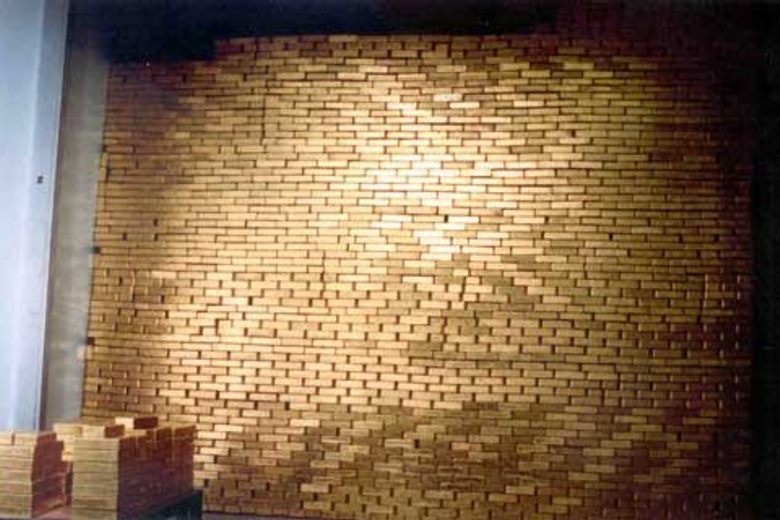
The Deutsche Bundesbank currently keeps about one-third of its gold reserves in the subterranean vaults of the Federal Reserve Bank of New York. Valued at approximately €160 billion, these holdings have served as a cornerstone of Germany’s foreign exchange reserves for decades.
As President Trump continues to challenge established international norms, anxiety within Germany regarding the security of these assets is intensifying. Some lawmakers and economic experts fear that the U.S. government could leverage its influence over the Federal Reserve to freeze or seize these German-owned assets.
Growing Risk Aversion
Although officials at the Bundesbank have repeatedly stated that the gold held in New York enjoys special legal protections and that the Federal Reserve maintains a sterling reputation as a custodian, critics argue that this trust is beginning to erode. Some experts point out that changes in U.S. leadership within the Federal Reserve could lead to the abandonment of long-standing international financial standards.
"We can no longer assume that the old rules will apply indefinitely," said one financial analyst who requested anonymity. The analyst argued that the stability of transatlantic financial relations is showing cracks, and that Germany must reassess the geographic distribution of its gold reserves.
Germany has previously repatriated gold held in locations such as Paris in stages, aiming to strengthen direct control over its physical assets. The current debate surrounding the New York reserves reflects a deep-seated anxiety in Germany regarding national financial sovereignty in the face of unpredictable U.S. policy shifts. While the Bundesbank has yet to announce any formal policy changes regarding the location of its reserves, calls in Berlin to review custodial agreements are growing louder.