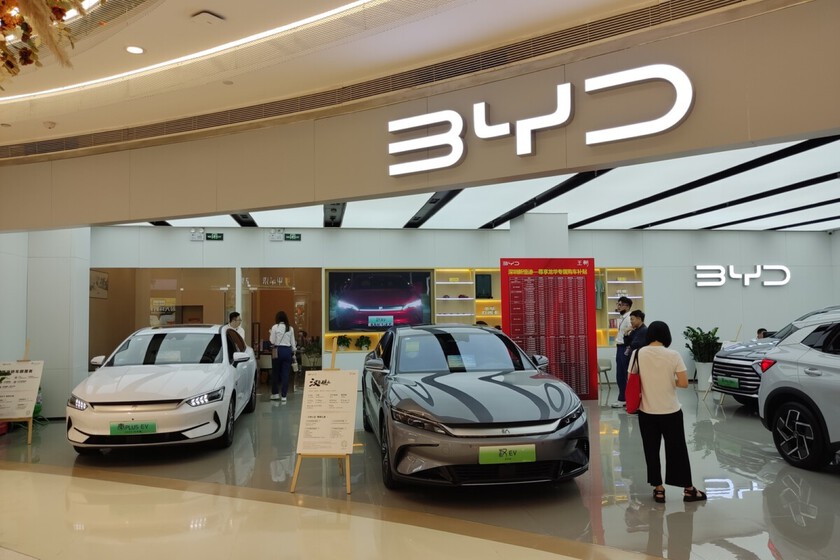
BYD reported a 41% decline in vehicle sales within China during February 2026 compared to the previous year. This sharp contraction highlights weakening demand in the world’s largest automotive market. Investors and analysts view the data as a critical indicator for the global electric vehicle sector and supply chains.
Data from CarNewsChina indicates sales fell an additional 9.5% compared to January 2026 figures. The consecutive monthly decline suggests the downturn extends beyond simple seasonal adjustments. Market observers note that the trend complicates recovery forecasts for the first quarter of the year.
Calendar shifts played a significant role, as the Chinese New Year fell later in February this year. In 2025, the holiday occurred in late January, leaving February open for commercial activity. This timing difference intensified the statistical drop for the current period compared to prior records.
Broader industry metrics confirm the slowdown across the region. The Passenger Car Association of China reported a 13.9% sales drop in January alone. New energy vehicle sales specifically retreated by 20% compared to early 2025 levels, affecting key competitors like Tesla.
Manufacturers are shifting strategies as price wars become unsustainable for major players. BYD, Tesla, and Xiaomi now offer financing plans extending to seven years to stimulate demand. This approach marks a departure from aggressive discounting tactics used previously in the sector.
Supply chain concerns are mounting alongside immediate demand issues. The New York Times reported increased pressure on BYD’s stock valuation amid cooling investor sentiment. Mike Smitka of Washington and Lee University estimated 40% of Chinese production capacity remains unused.
Rapid technological iteration influences consumer purchasing decisions significantly. Buyers often delay acquisitions anticipating superior models at lower prices later. This hesitation further dampens immediate sales volumes across the competitive sector.
Export markets have become essential for growth given domestic stagnation. BYD recently shipped over 100,000 units abroad for four consecutive months with 50% growth. International expansion now appears necessary to offset local weakness and sustain revenue.
The slowdown impacts North American trade dynamics, including Mexican manufacturing hubs. If Chinese EVs intensify export efforts, competition for USMCA markets may increase. Mexican policymakers monitor these trends for potential tariff adjustments or investment incentives to protect local capacity. These considerations are vital for Mexico's role as a key automotive exporter.
The situation signals potential fatigue in a previously unstoppable market. Stakeholders will watch export data and regional policy responses closely. Sustained weakness could reshape investment flows across the Asian automotive sector.