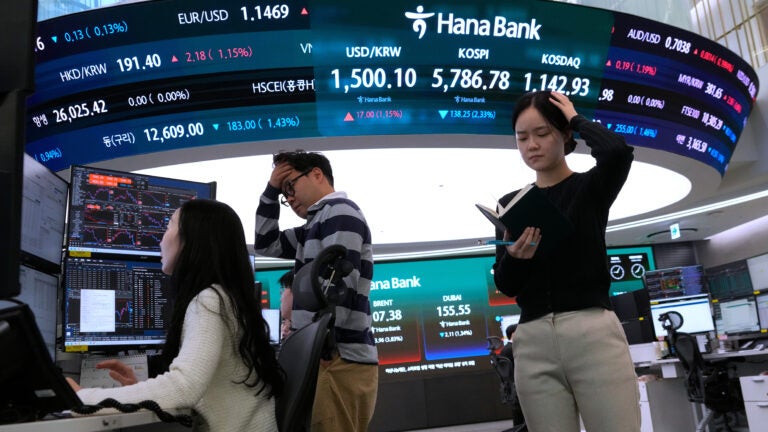
Global oil markets experienced extreme volatility on Thursday as Brent crude briefly exceeded $119 per barrel. The surge stemmed from escalating tensions between Iran and Israel, causing significant turbulence across international stock exchanges. Prices retreated later in the session, yet the initial spike highlighted growing fears of supply disruption in the Middle East.
Financial centers in Asia and Europe absorbed the initial shock with sharp declines in major indices. Japan recorded a 3.4% drop, while German and South Korean markets fell by 2.8% and 2.7% respectively. United States equities stabilized as oil prices eased, with the S&P 500 finishing the day down 0.3%.
The price action reflected intensified attacks on energy infrastructure around the Persian Gulf. Iran targeted oil and gas facilities following an Israeli strike on a significant natural gas field. Analysts warn that prolonged conflict could keep oil production offline for an extended period, threatening global energy security.
Geopolitical developments contributed significantly to the market instability throughout the week. Late Thursday, Israeli Prime Minister Benjamin Netanyahu stated his country would pause further attacks on the Iranian gas field. This decision reportedly followed a request from President Donald Trump to de-escalate the situation.
Monetary policy expectations shifted dramatically as inflation concerns resurfaced in trading floors. Traders now price in a 73% chance the Federal Reserve will hold rates steady or raise them this year. This represents a stark reversal from last month when probability favored multiple rate cuts.
The bond market reacted swiftly to the changing economic outlook and inflation fears. Treasury yields climbed early in the trading session alongside oil prices before moderating later in the session. The two-year yield reached 3.96% before settling near 3.79%, signaling higher borrowing costs.
Hard assets also suffered from the renewed risk environment and strong dollar dynamics. Gold prices sank 5.9% to settle at $4,605.70 per ounce during the volatile session. Silver performed even worse, dropping 8.2% as investors reduced exposure to volatile commodities amid rising rates.
Individual corporate performances varied amidst the broader market turbulence and shifting sentiment. Rivian Automotive rose 3.8% after Uber announced a potential $1.25 billion investment in its autonomous robotaxi division. Conversely, Micron Technology fell despite reporting higher profit and revenue than analysts expected.
Economists warn that sustained high energy costs could complicate the global economic recovery significantly. Mortgage rates have already risen in response to higher Treasury yields, affecting housing demand negatively. Reports indicated that sales of new US homes weakened unexpectedly in January data released recently.
Investors will closely monitor the Strait of Hormuz for potential shipping disruptions and delays. Uncertainty regarding the duration of the war continues to drive volatile swings in asset prices globally. Markets require clarity on supply routes to stabilize valuations moving forward into the future.