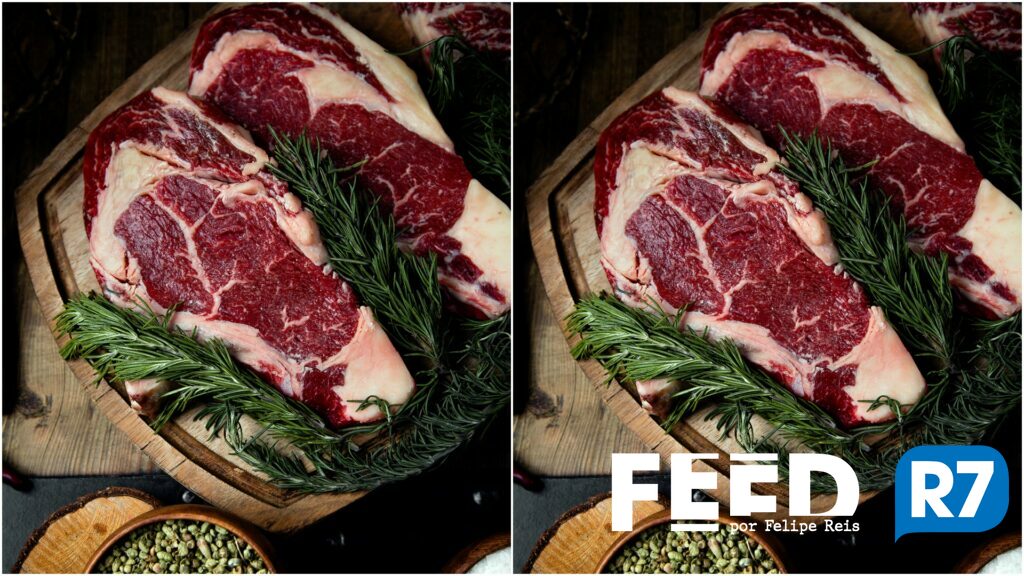
Brazil concluded 2025 with record-setting revenues from beef exports, reaching $18.365 billion, solidifying the sector's critical support for the national trade balance. This performance, which includes fresh, processed, and offal products, represented a nearly 40% increase in foreign currency earnings compared to the previous year, as reported by the Brazilian Association of Cold Storage Operators (Abrafrigo) based on Secex data.
The association noted that Brazilian beef is increasingly prioritizing value-added goods over sheer volume expansion, successfully penetrating more stringent international markets amid global trade shifts. Beef occupied the second spot among agricultural exports and fourth place overall in the nation's total exports for 2025, trailing only crude oil, soybeans, and iron ore.
This robust revenue outcome stemmed from a rare alignment: substantial growth in shipping volumes coupled with rising average prices throughout the year. In natura beef, constituting approximately 90% of the segment’s trade, generated $16.59 billion, an increase of 42.3% year-over-year, with shipments totaling 3.083 million metric tons.
China maintained its position as the dominant market, accounting for 48.2% of sector exports and generating $8.845 billion in revenue, a 47.8% rise from 2024 levels. Despite additional tariffs imposed by the US government between August and October 2025, the United States remained the second-largest buyer, contributing $2.064 billion in sales.
Geopolitical tensions did not deter Brazil’s strategy of diversifying destinations across 177 markets, though concentration remains high. The European Union exhibited notable growth, with export value soaring 76.5% to $1.049 billion, though the recently formalized Mercosur-EU agreement faces potential short-term constraints from European safeguard mechanisms.
Looking toward 2026, the sector anticipates continued expansion, supported by forecasted supply deficits and elevated international beef prices, particularly in the US market. However, Abrafrigo projects a challenging environment characterized by sustained geopolitical friction and increased use of trade defense measures, such as China's quota limitations.
The sector’s strategy involves the gradual opening of technically complex markets like Japan and South Korea, alongside efforts to fully integrate Vietnam, which authorized imports in 2025 but has yet to approve many Brazilian processing plants.