The long-standing correlation between German electricity prices and natural gas costs is weakening, prompting a industry-wide reassessment of energy pricing mechanisms. According to the latest monitoring from the data platform HasElectricityDecoupledYet.com, the German power market is gradually shedding its reliance on natural gas as the marginal price-setting fuel.
A Structural Decoupling of Energy Pricing
In traditional European power markets, combined-cycle gas turbine (CCGT) plants have historically served as the marginal price-setters. Because the generation costs of these gas plants directly dictate wholesale electricity prices, power costs have remained highly sensitive to TTF natural gas prices and EU Allowance (EUA) carbon costs. Researchers at the platform note that the key to evaluating this decoupling is to observe whether electricity prices consistently fall below estimates based on gas-fired generation costs.
The study utilizes a calculation where the implied electricity price equals 1.8 times the natural gas price plus 0.35 times the cost of carbon emissions. This formula is based on the average efficiency and emission levels of high-efficiency gas plants. A market is considered to have achieved "decoupling" when the actual average electricity price remains more than 20% below this theoretical cost.
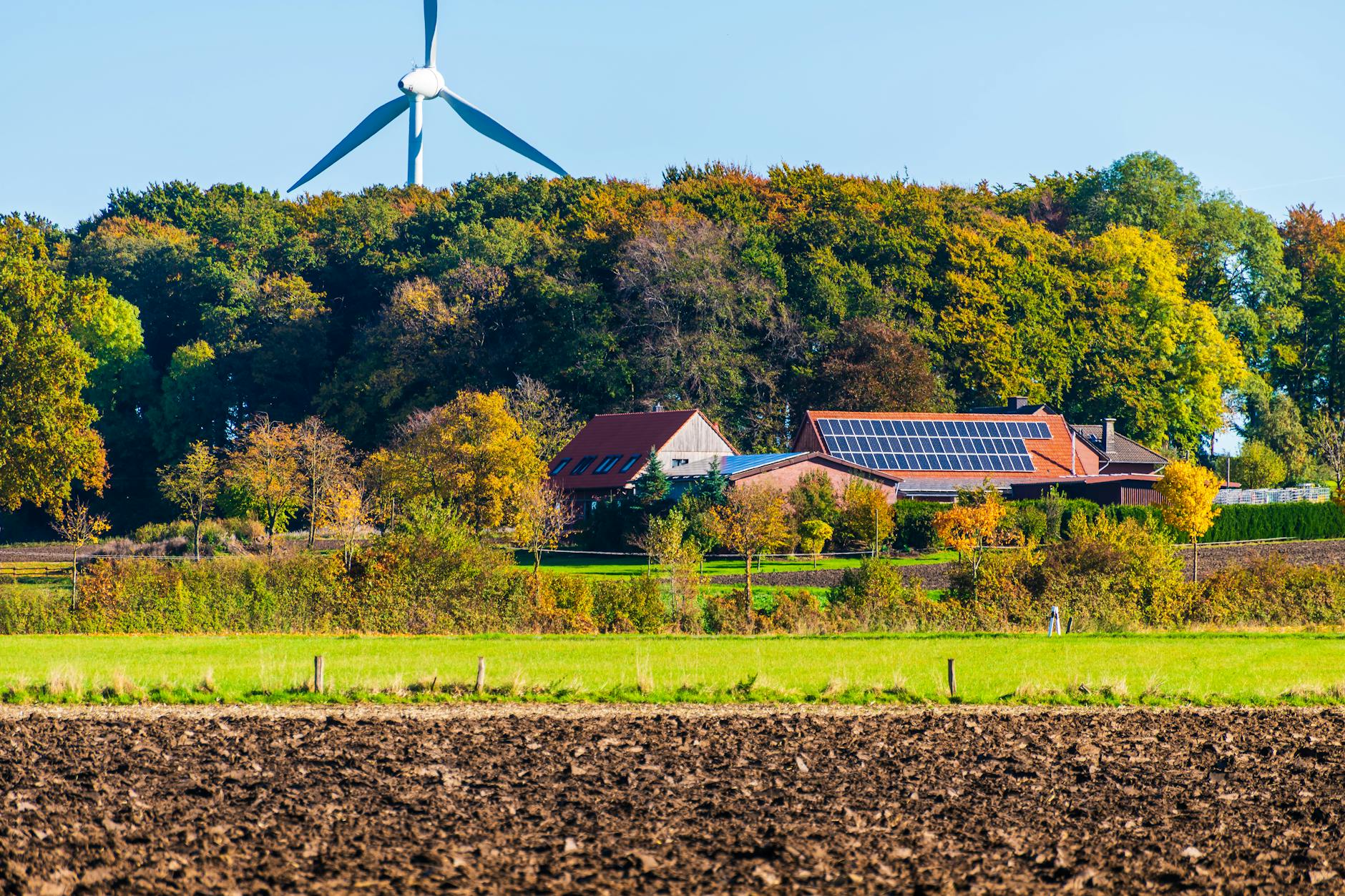
Data models indicate that the primary driver of this shift is the rising share of wind and solar power. As zero-marginal-cost renewables account for a larger portion of the energy mix, they are increasingly displacing natural gas as the price-setter during more hours of the day. When renewable output is high, wholesale electricity prices no longer track natural gas fluctuations, effectively breaking the strong correlation observed over the past several years.
Analysts emphasize that while natural gas prices remain an important market benchmark, their role as the decisive factor in setting power prices is diminishing. This transition reflects the market-level impact of Germany’s energy transition policy—specifically, the use of large-scale renewable deployment to stabilize energy cost volatility.
The study’s data integrates information from the Fraunhofer ISE Energy Charts, the European Energy Exchange (EEX), and the Intercontinental Exchange (ICE). By applying a volume-weighted calculation to the German-Luxembourg bidding zone on the EPEX spot market, the model provides an objective measure of the extent to which annual electricity prices have diverged from natural gas costs.