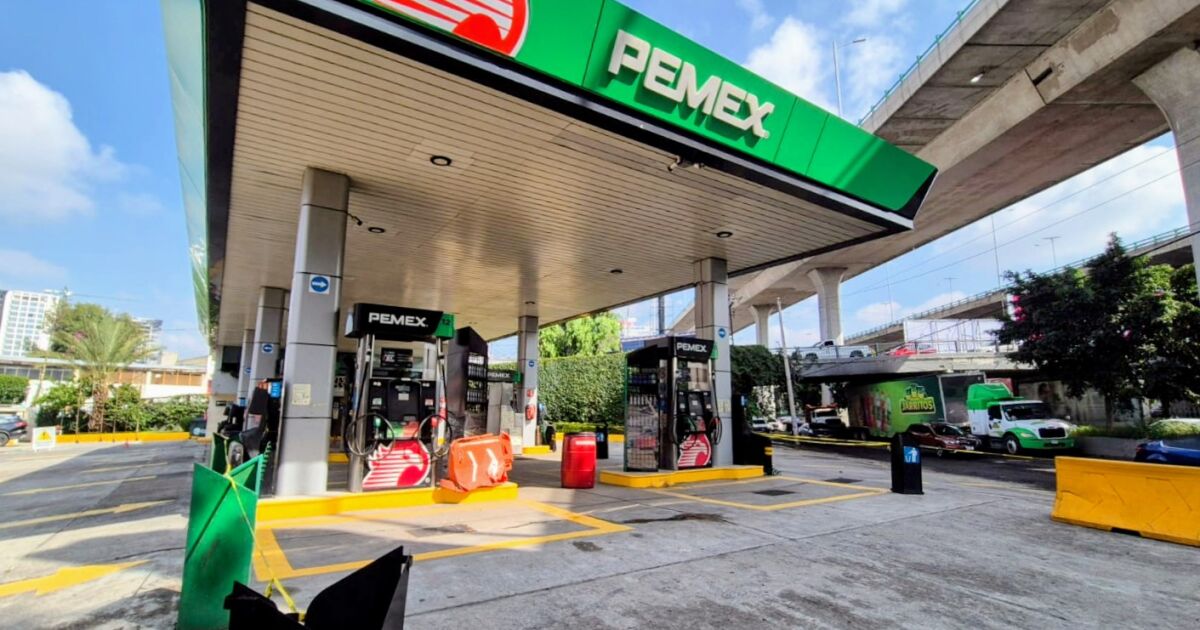
A new analysis by PetroIntelligence reveals a significant infrastructure deficit in Mexico regarding fuel accessibility. The study identifies three point one million individuals living more than five kilometers from a gas station, disproportionately affecting rural regions like Oaxaca. This gap highlights broader investment challenges within the energy sector that could impede local economic development. The findings were released in March 2026, drawing attention to the urgency of the situation.
According to the data platform, the distance metric often understates the actual barrier for residents living in remote areas. Gustavo Alfaro, director of Data at the platform, noted that poor road conditions can extend travel time significantly. He stated that a 30-minute journey could translate into a significant time gap in specific areas. Such delays reduce productivity and limit access to essential services for the population.
Oaxaca emerges as one of the states with the highest level of neglect in this regard regarding fuel supply. The region lacks a reliable fuel supply in various zones despite its population density. More than 527,000 inhabitants fall under these characteristics, representing 13% of the general population. One of every 10 people lives in this situation of distance without realizing the market relevance.
On a national scale, the platform has identified 1,068 clusters where fuel supply neglect exists. Each cluster requires evaluation of population, proximity, access conditions, and operational complexity. Analysts must determine economic viability before deciding on new infrastructure projects. These evaluations are critical for ensuring that capital is allocated to the areas with the highest need.
Alfaro commented that the sector often replicates investment patterns without deep territorial analysis. He questioned what is happening in zones where no gas station exists nearby. If investors only target urbanized areas, significant gaps remain unaddressed. This behavior perpetuates inequality in access to essential resources across the nation.
This infrastructure lag passes a bill to the economy by increasing mobility costs for affected communities. Limited access restricts local development and hampers the movement of goods and people. The situation forces residents to rely on informal or expensive transport alternatives. Furthermore, supply chains become inefficient when logistics hubs lack proximity to fuel sources. Higher operational costs for local businesses often lead to increased prices for consumers in these regions.
Previous infrastructure reports have focused on highways and ports rather than last-mile energy distribution. This shift in focus highlights the need for a more granular approach to national planning. Experts suggest that ignoring these clusters creates long-term inefficiencies in the supply chain. Consequently, regional disparities widen as urban centers receive more attention. The lack of data previously prevented policymakers from identifying these specific gaps effectively.
Future plans must prioritize these underserved areas to ensure equitable access across the country. Regulatory bodies may need to incentivize private investment in these specific clusters to close the gap. Watching how the government responds to this data will be crucial for the sector. Investment decisions in the coming year will likely shape the energy outlook for the next decade. Public-private partnerships could emerge as a solution to fund these necessary developments efficiently.