Elon Musk confirmed Tuesday that SpaceX has acquired xAI, his artificial intelligence venture, as part of a strategic consolidation to address the escalating power requirements of advanced AI models. The merger, announced on the SpaceX website, immediately brings Musk’s space launch capabilities and AI research under a unified corporate structure. The primary objective of this integration is the development and deployment of solar-powered data centers in orbit.
Musk asserted that current energy demands for AI compute and cooling are becoming environmentally and logistically unsustainable on Earth, necessitating an off-world solution. According to the announcement, transporting these resource-intensive operations to space offers the only viable long-term path for scaling AI infrastructure. He projected that within the next two to three years, generating AI compute capacity in orbit will become the most cost-effective option.
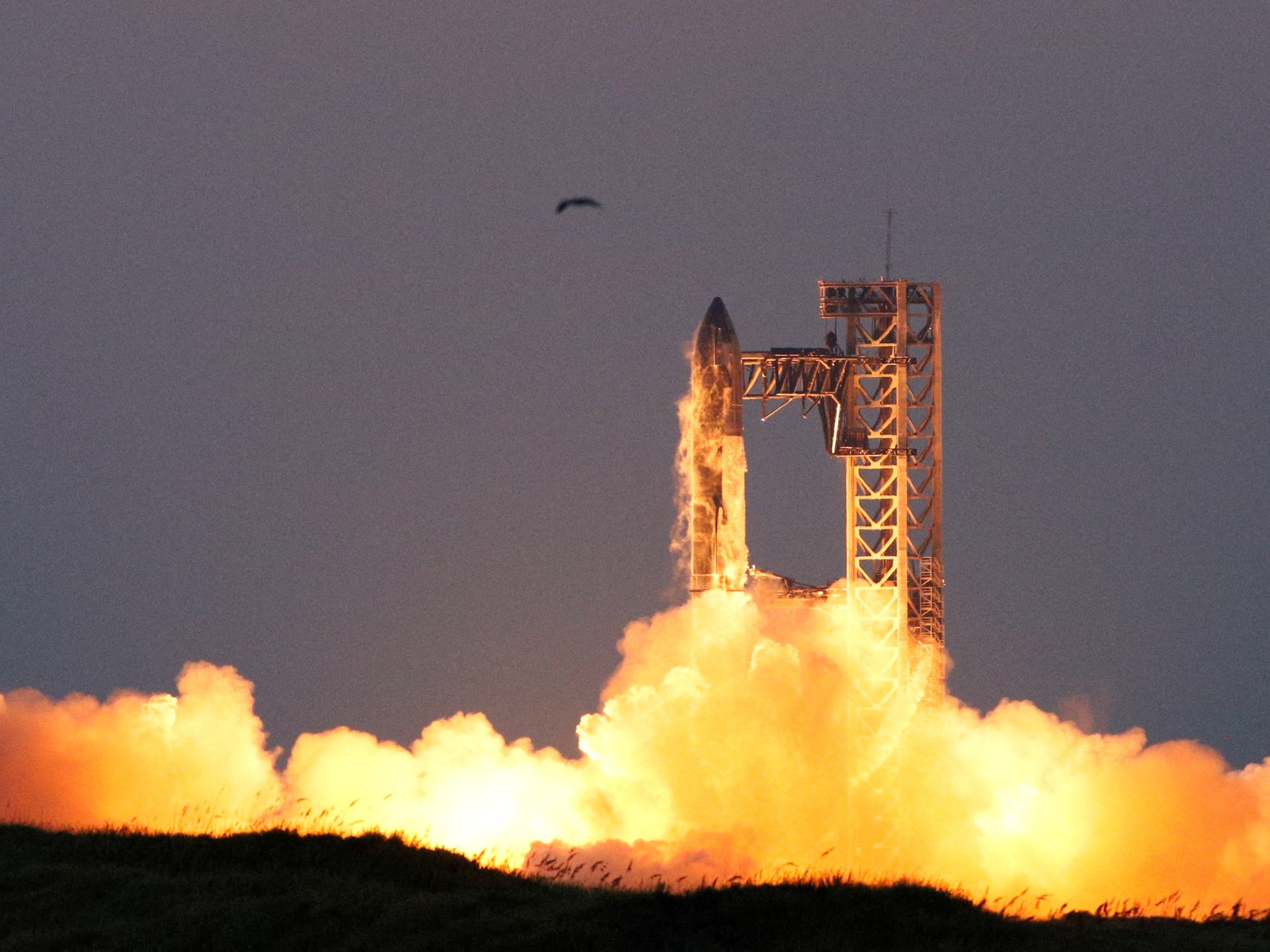
The combined entity integrates SpaceX’s rocketry programs, including Starship, with xAI’s expertise in large language models, such as the Grok chatbot. This corporate alignment places several of Musk’s key technology endeavors—space transport, satellite internet via Starlink, and AI development—under one operational umbrella. Both companies maintain significant existing contracts with US governmental bodies, including NASA and the Department of Defense.
Musk elaborated on the immense energy disparity, noting that capturing even a minuscule fraction of the Sun’s output exceeds current global civilization energy consumption. He specified that scalable space-based AI requires vehicles capable of launching megatons of mass, a capability the Starship program is designed to facilitate. The long-term vision includes launching a million satellites to support this expanding architecture.
This vertical integration places Musk in direct competition with other aerospace and technology entities pursuing similar orbital solutions for data processing. Specifically, Jeff Bezos’s Blue Origin and Google’s Project Suncatcher are reportedly developing comparable solar-powered orbital infrastructure concepts. The ability to rapidly deploy large payloads will be crucial in this emerging competitive segment.
Furthermore, the merger is expected to accelerate the rollout of Starlink’s next-generation capabilities. The V3 satellites, launched via Starship, are anticipated to increase the constellation’s total capacity by more than twenty times compared to the current V2 models carried by Falcon rockets. This expansion is essential infrastructure for supporting off-world computing nodes.
Geopolitically, the consolidation under the SpaceX banner strengthens the position of Musk-controlled entities in critical US government technology sectors. The Starshield unit, which services military and intelligence agencies, stands to benefit operationally from tighter integration with advanced AI development housed within xAI.