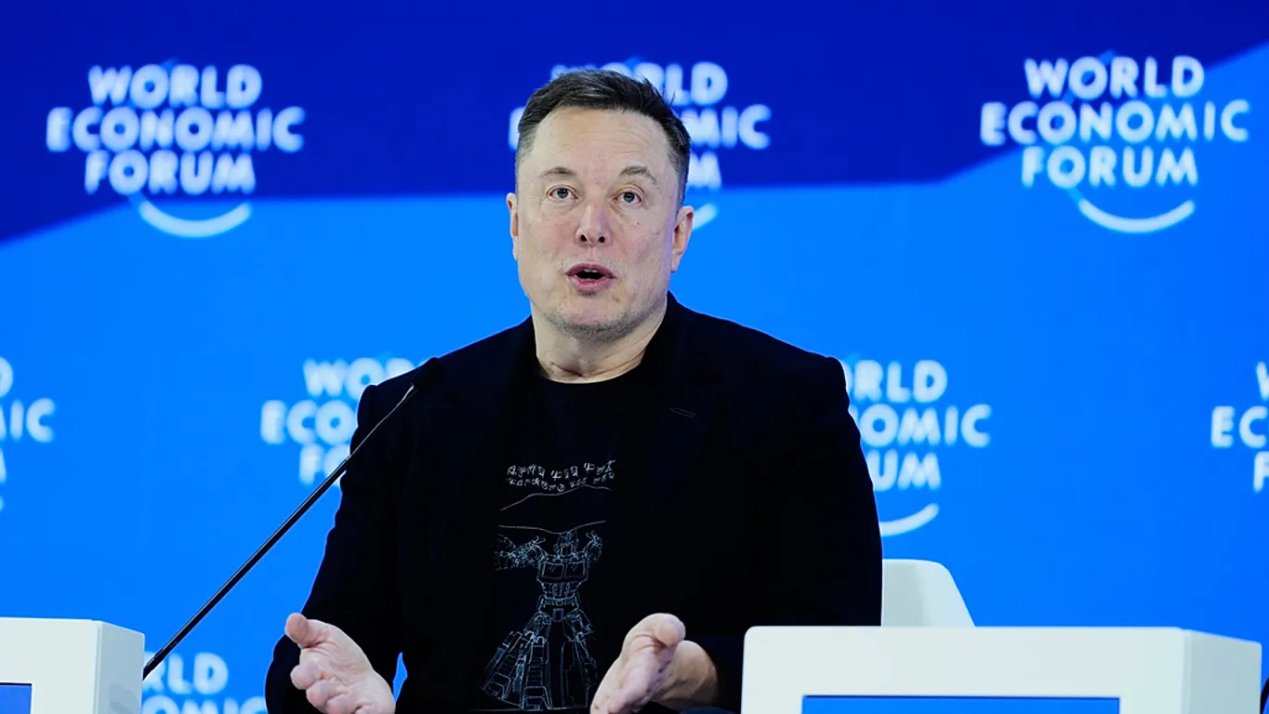
Speaking at the World Economic Forum in Davos, Tesla CEO Elon Musk positioned the convergence of Artificial Intelligence and robotics—termed 'Physical AI'—as the singular pathway to elevating global living standards toward 'abundance for all.' Musk asserted that this transition is not merely a market opportunity but a fundamental imperative for ensuring civilizational continuity amid global instability.
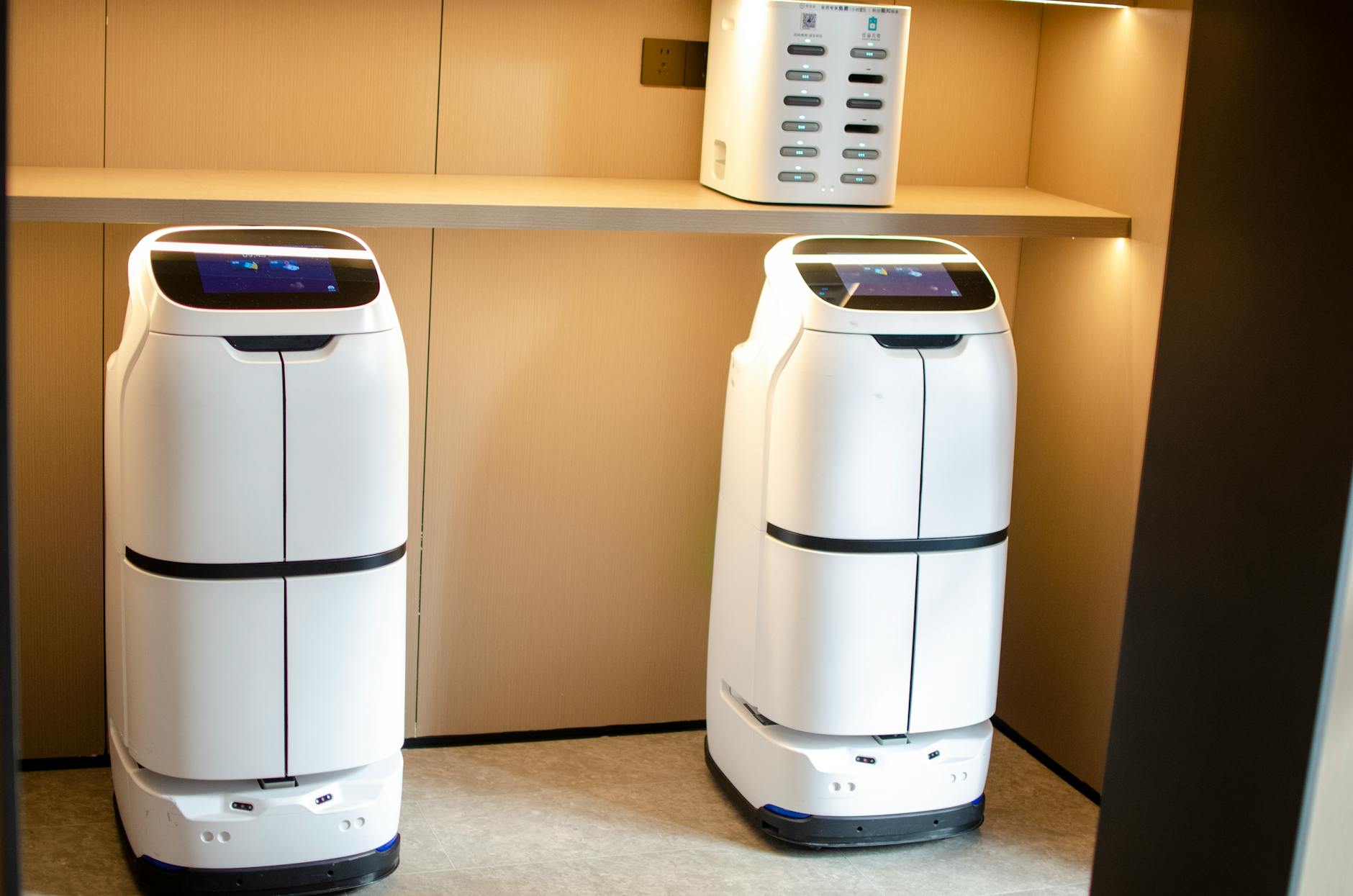
This vision centers on a production model where output is dictated by the equation: average robot productivity multiplied by the total number of operational robotic units. Musk projects that humanoid robots capable of complex tasks will be commercially available by the end of 2026, forecasting that by 2030 or 2031, AI will collectively surpass human intelligence. This technological acceleration is driving capital disparity, as evidenced by the outsized returns of AI-centric firms compared to traditional sectors, noted BlackRock CEO Larry Fink.
Central to this technological deflation is the rapidly decreasing cost of accessing advanced AI models, accelerated by open-source proliferation. Yet, Musk cautioned against the risk of an 'AI economic bubble,' where near-free ubiquitous technology could destabilize the perceived value of human intellectual output if the utility of these systems remains undefined.
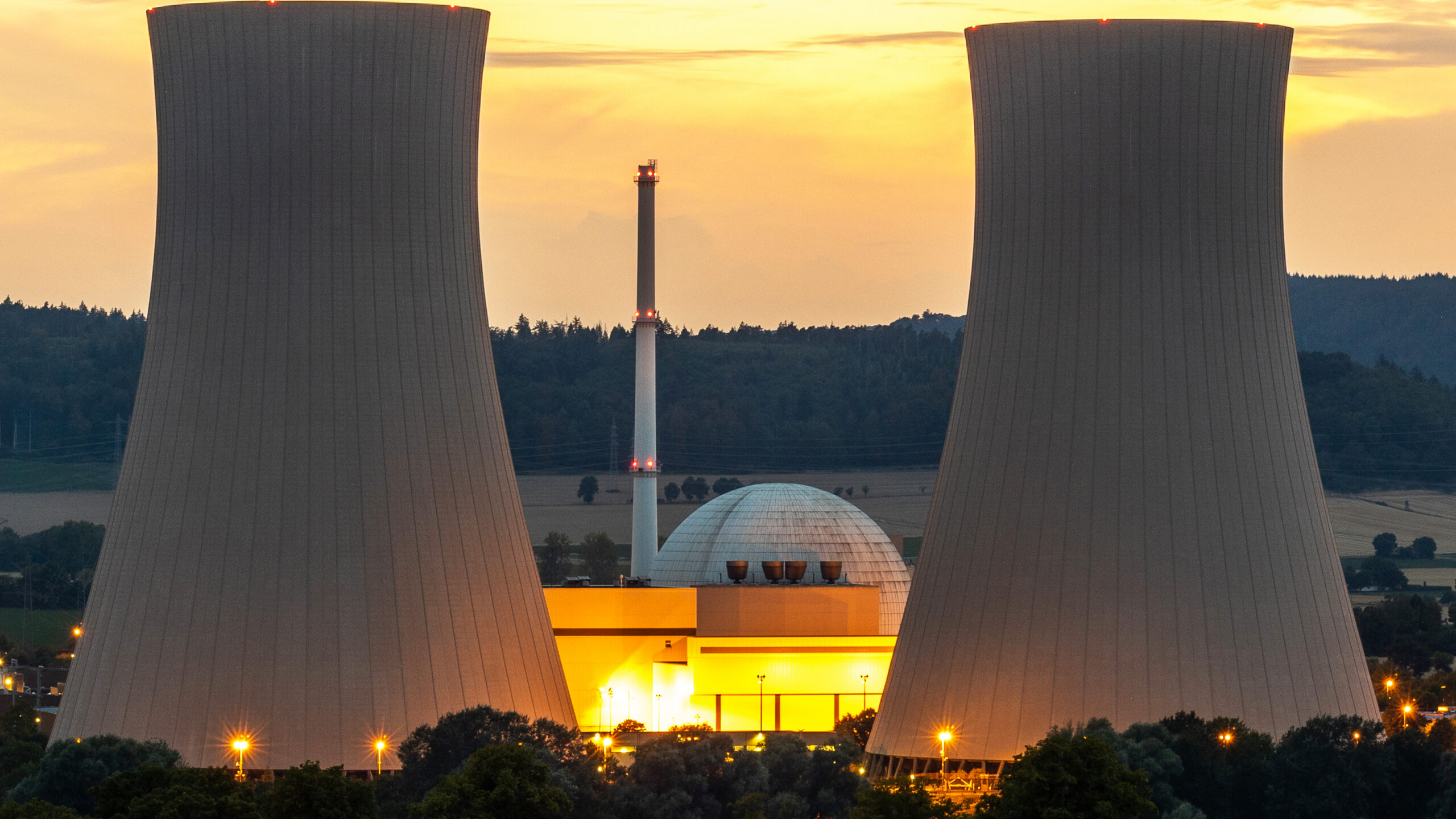
The primary constraint threatening this automated future is energy supply. While AI processing capacity is growing exponentially, global electricity generation increases only marginally (4-10% annually). Projections suggest data centers could consume up to 80% of US electricity demand by 2030, demanding radical infrastructural shifts.
Musk proposed a high-stakes solution: massive deployment of photovoltaic cells, suggesting a 160km square array in the US Southwest could meet national energy needs. He further plans to bypass terrestrial limitations by launching orbital solar energy platforms within two to three years, claiming space offers five times the efficiency due to uninterrupted solar exposure.
Furthermore, the viability of low-cost space access, predicated on achieving full reusability of the Starship system by 2026, is intertwined with scaling AI infrastructure. Reducing launch costs below conventional air freight rates is seen as essential for deploying these advanced energy and robotics systems globally.
While Musk frames this as the most significant structural shift in industrial engineering history, the realization of 'abundance' remains contingent on execution metrics set for the decade's end. The success of integrating Physical AI hinges on resolving the energy bottleneck and managing the profound economic restructuring implied by near-total automation. This report is based on statements made by Elon Musk at the WEF Annual Meeting, as detailed by mexicobusiness.news.