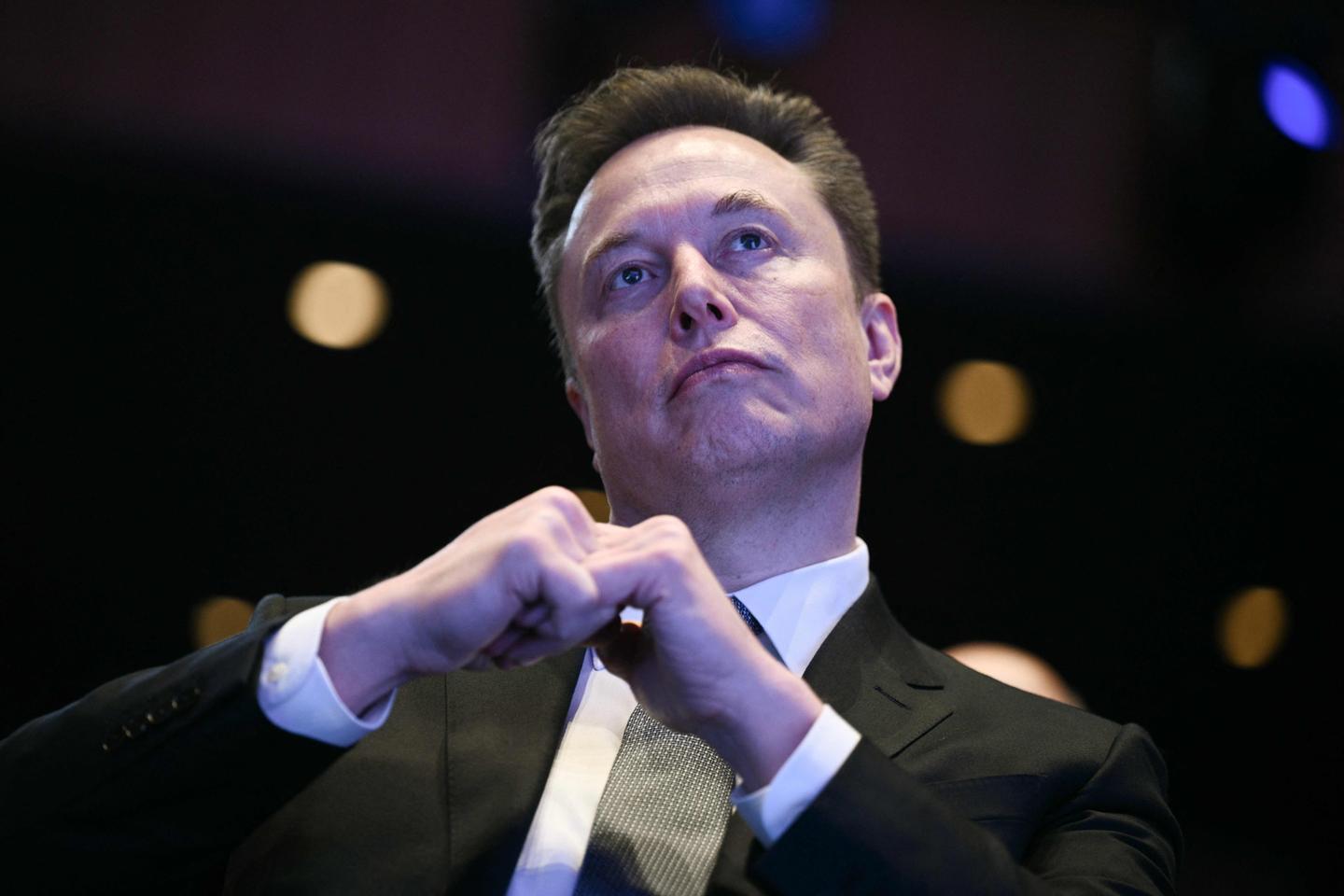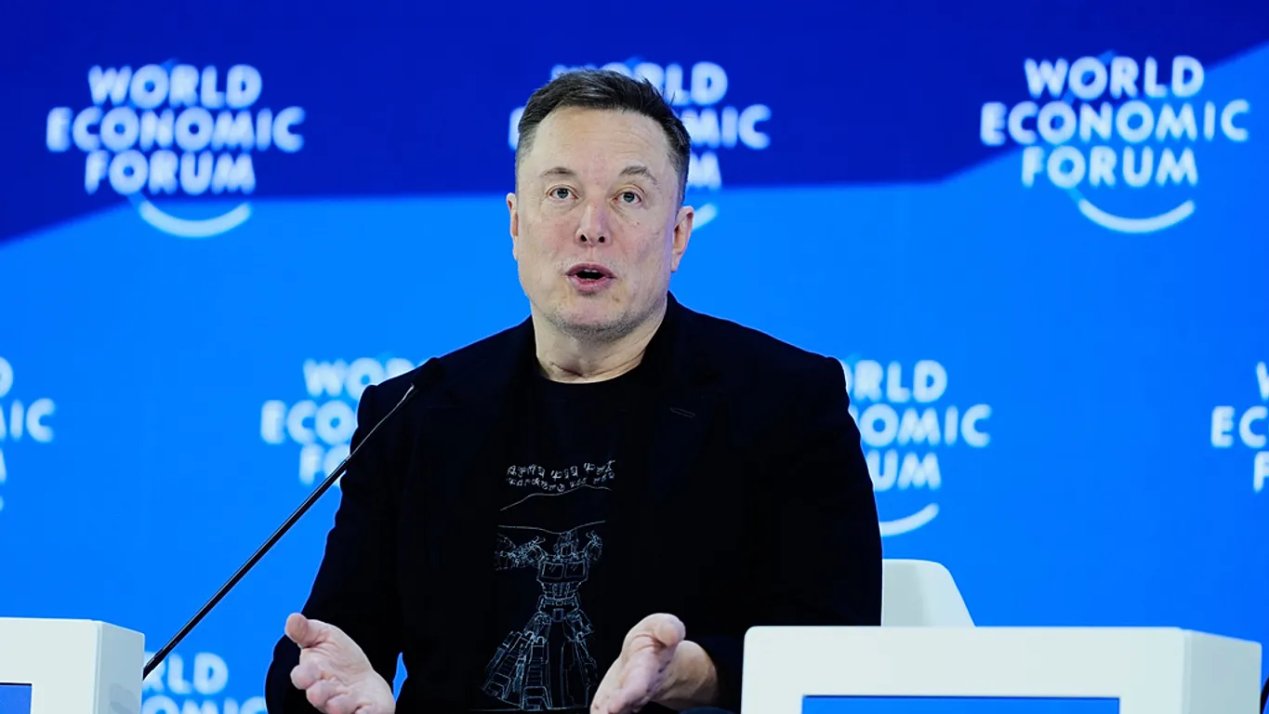
Elon Musk, CEO of Tesla, asserted during the World Economic Forum’s annual meeting in Davos that Artificial Intelligence integrated with robotics represents the necessary technological transition to provide a high standard of living for everyone globally. The discussion shifted focus from previous years' concerns like inflation and crises toward the foundational role of AI and robotics in future economic structures.
Larry Fink, CEO of BlackRock, supported this technological focus, noting a significant disparity in capital returns favoring AI-centric companies over traditional sectors. Fink cited that the cumulative net profits of just five Silicon Valley firms approach US$420 billion, contrasting Tesla’s compound return of 43% since its IPO against BlackRock’s 21%.
Musk frames the shift to "Physical AI" as a non-optional necessity for human continuity, irrespective of market dynamics. His model calculates global economic output based on the productivity of operational robot units, anticipating a drastic reduction in the cost of goods and services by removing human labor constraints. He anticipates robots performing complex functions by the end of 2026 and aims for public sales shortly thereafter, emphasizing safety for domestic roles.
Central to this projected economic expansion is the ongoing, rapid deflation in the cost of accessing foundational AI models, accelerated by open-source proliferation. However, Musk cautioned that this ubiquity risks creating an "AI economic bubble" if the marginal utility and purpose of this nearly free technology are not properly managed relative to human intellectual work.
The viability of universal automation faces a significant constraint in electrical power supply, as AI chip production growth outpaces marginal increases in global electricity generation. Industry projections suggest data centers could consume up to 80% of US energy demand by 2030, necessitating immediate infrastructure overhaul.
To address the energy bottleneck, Musk advocated for massive deployment of photovoltaic cells, suggesting a relatively small land area dedicated to solar panels could power the entire United States. Furthermore, he proposed an even more efficient solution: launching AI data centers powered by orbital solar energy, which he predicts will be the lowest-cost location for AI within two to three years.
Musk estimates Artificial General Intelligence (AGI) will surpass individual human intelligence by the close of 2026, and collective human intelligence by 2030 or 2031. Separately, he projects that achieving full reusability of the Starship system by 2026 will slash space access costs by a factor of 100, making it cheaper than conventional air freight per pound.