Recent drone attacks on Amazon Web Services (AWS) data centers in the Persian Gulf have exposed the vulnerability of AI infrastructure in modern conflict. Iranian officials have officially designated 18 companies—including Amazon, Google, Microsoft, Nvidia, Palantir, and the UAE-based AI leader G42—as "legitimate targets."
A Shift in Risk Mitigation
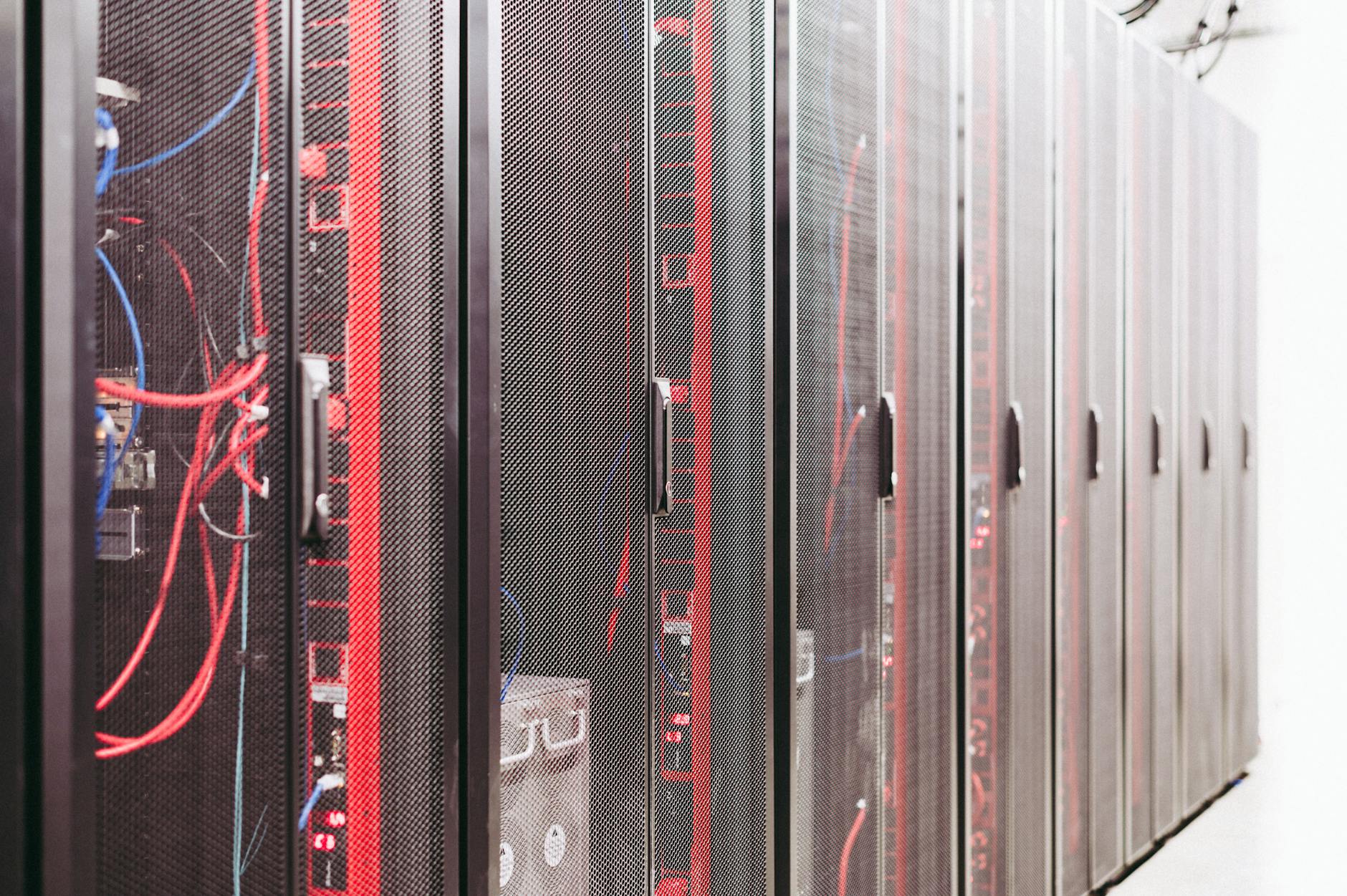
Viktor Mayer-Schoenberger, a professor of internet governance and regulation at the University of Oxford, notes that companies are facing a difficult trade-off. In the pursuit of operational efficiency, AI firms previously favored building hyperscale data centers—massive facilities spanning over 900 square meters and housing thousands of servers. However, these centralized hubs have become prime targets for military strikes.
"The market trend may shift from hyperscale data centers toward smaller, distributed data centers," Mayer-Schoenberger said. While decentralized architecture can effectively improve resilience, it is complex to build, expensive to maintain, and makes real-time global data synchronization difficult to achieve.
Nada Ilhab, associate director of AI at the London-based consultancy Access Partnership, argues that governments must treat data centers as critical national infrastructure, on par with energy facilities. She suggests that future protection frameworks should move beyond simple data localization requirements toward geographic diversification and multi-region redundancy strategies to ensure business continuity.
Legal expert Mahmoud Abuwasel believes the "data embassy" model could become a mainstream solution. This model allows a country to store data on foreign soil while remaining under the protection of the home country’s laws and sovereignty. Currently, Estonia and Monaco have established such facilities in Luxembourg, and Saudi Arabia has included similar provisions in its draft AI legislation.
However, escalating geopolitical tensions make finding "conflict-free zones" increasingly difficult. According to global indices, more than 80 countries were involved in cross-border conflicts last year. Furthermore, the implementation of data embassies relies on complex bilateral agreements, and there is currently no unified global legal framework to support them.
As militaries become increasingly reliant on AI technology provided by the private sector, private data centers have inevitably been drawn into the military arena. Legal and AI researcher Klaudia Klonowska warns that the deep integration of civilian and military data on shared servers not only increases the risk of collateral damage but also significantly drives up operational costs, dragging purely commercial projects into the quagmire of geopolitics.