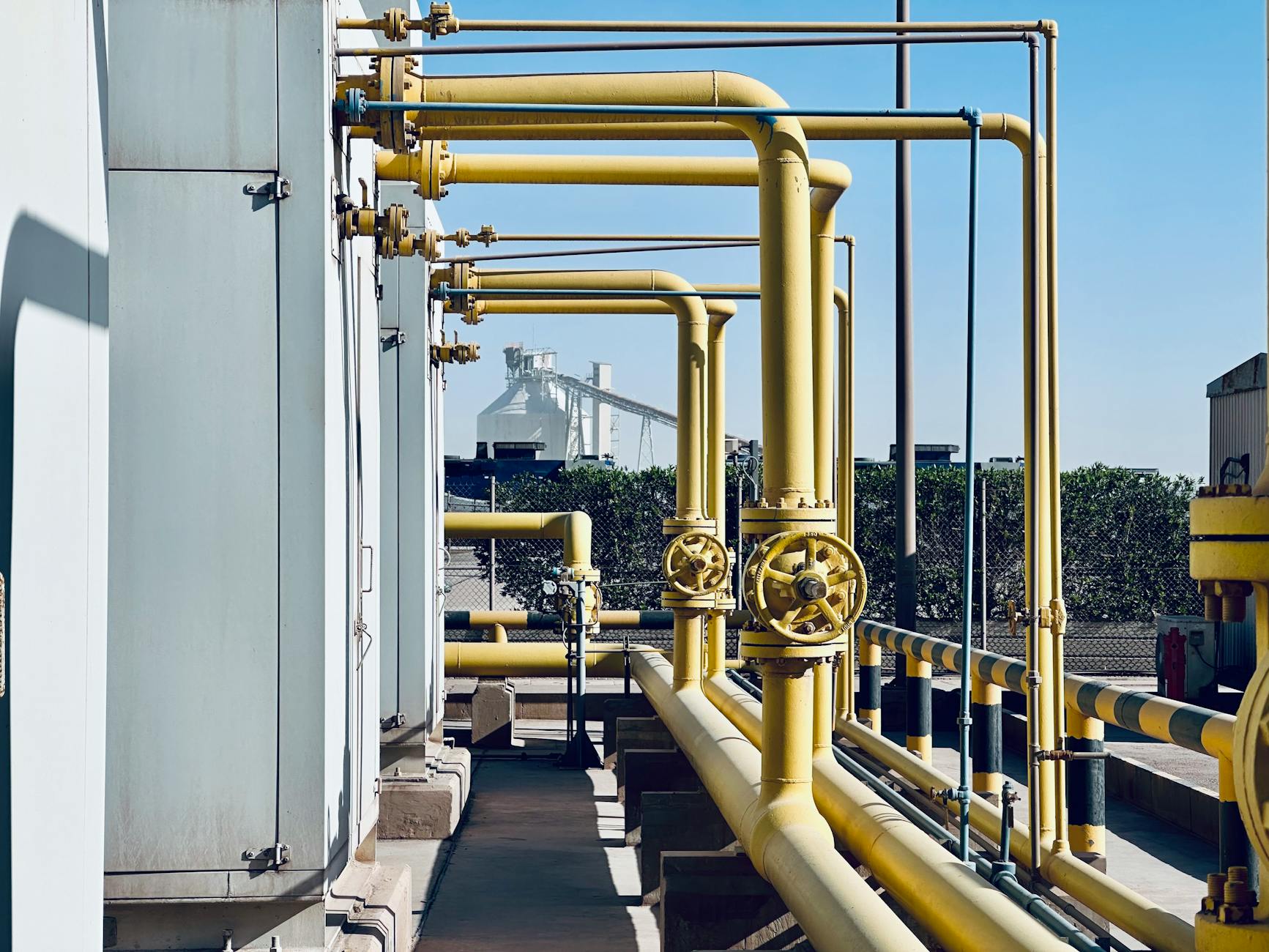
Microsoft, Google, and Meta have recently announced a series of large-scale natural gas power projects aimed at fueling their rapidly expanding AI data centers. This wave of investment signals a shift in the tech industry: companies are moving beyond mere competition in computing power to take direct control of their energy infrastructure.
This week, Microsoft disclosed a partnership with Chevron and Engine No. 1 to build a natural gas power plant in West Texas. The project is ambitious in scale, with a projected capacity that could eventually reach 5 gigawatts. Meanwhile, Google has confirmed a collaboration with Crusoe to construct a 933-megawatt natural gas plant in North Texas.
Meta is equally aggressive in its energy strategy. Last week, the company announced plans to add seven natural gas power plants to its Hyperion data center in Louisiana. Once completed, the site’s total generation capacity will hit 7.46 gigawatts—enough electricity to power the entire state of South Dakota.
The Risks Behind the Energy Strategy
The tech industry’s scramble for power is being driven by a clear sense of FOMO (fear of missing out). Analysts note that as the power demands for AI model training grow exponentially, major tech firms are attempting to mitigate the risk of potential outages by locking in upstream energy supplies. These investments are primarily concentrated in the U.S. South, home to some of the world's largest natural gas reserves.
However, the strategy of building large-scale fossil fuel plants has drawn scrutiny from within the industry. While these projects address immediate power shortages, tethering their operations to natural gas could leave these tech giants vulnerable during the broader energy transition. As global carbon emission audits become more stringent, these companies face the difficult challenge of balancing their environmental commitments with the non-negotiable demand for electricity to maintain their AI dominance.
Currently, the latest estimates from the U.S. Geological Survey suggest that the region's natural gas reserves could supply the entire country's energy needs for about 10 months. Despite this abundance, tying the lifeblood of data centers so deeply to fossil fuels is still viewed as a high-stakes strategic gamble.