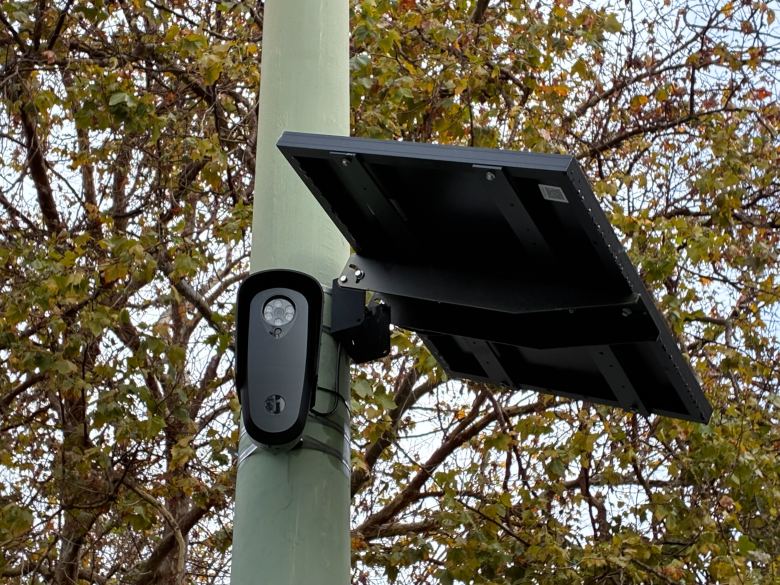
Earlier this year, the city of Bend, Oregon, officially terminated its contract with surveillance technology firm Flock Safety and deactivated the AI-powered license plate recognition cameras deployed across the city. The decision followed long-standing public concerns regarding the lack of robust data privacy protections.
Bend is not an isolated case. Since the beginning of 2026, dozens of cities nationwide have announced either a suspension or a complete cancellation of their partnerships with Flock Safety. For these local governments, the surveillance network built by the company has crossed the line of what is considered reasonable for public safety.
Surveillance Data and Immigration Enforcement Risks
Flock Safety’s core technology relies on a network of AI-driven license plate recognition cameras. Although the company insists it does not work directly with federal agencies, legal loopholes remain. Surveillance data collected by local law enforcement is frequently shared with U.S. Immigration and Customs Enforcement (ICE).
A study by the University of Washington Center for Human Rights revealed that in 2025 alone, at least eight law enforcement agencies in Washington state shared data from their Flock surveillance networks directly with ICE, while another 10 departments provided ICE with backdoor access without explicit authorization.
Beyond controversies involving law enforcement, Flock Safety had previously planned a deep integration with Amazon’s Ring brand. The initiative was intended to allow police to directly access private home security cameras during investigations. However, following intense public backlash, Ring ultimately announced it would sever its partnership with Flock.
Currently, privacy advocacy groups such as the American Civil Liberties Union (ACLU) are pushing for more regions to re-evaluate such technologies. They argue that in the absence of strict oversight, these cameras effectively function as a mass surveillance network, infringing upon the privacy rights of community members.