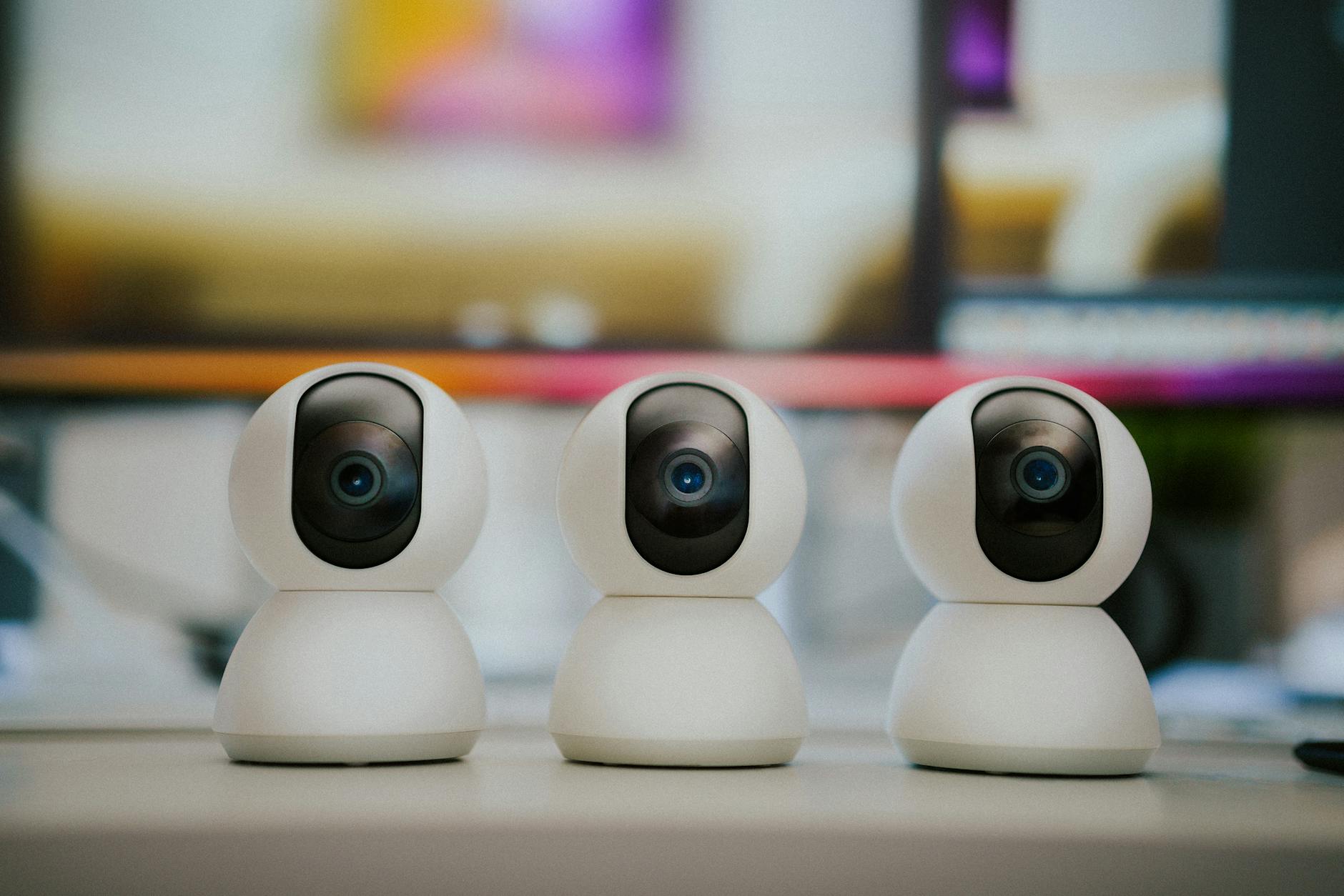
Officers with the Florida Fish and Wildlife Conservation Commission (FWC) have been caught using Flock Safety’s network of AI-powered cameras to assist U.S. Immigration and Customs Enforcement (ICE) with vehicle tracking. Although there is no direct contract between ICE and Flock, the agency is still able to access nationwide license plate tracking data by using local law enforcement agencies as a "backdoor."
According to documents obtained through public records requests, FWC officers conducted dozens of immigration-related searches in January alone. These searches leveraged Flock’s nationwide AI camera system, which captures real-time data on license plates, vehicle makes, and colors, while also allowing users to trace a vehicle's historical movements.
The "Backdoor" Effect of Surveillance Data
Flock has publicly claimed that it does not partner directly with ICE or other Department of Homeland Security agencies and has implemented mechanisms to restrict data sharing. However, audit logs show that the system’s nationwide connectivity allows law enforcement in one jurisdiction to query camera data from another with ease. FWC search logs explicitly tagged queries with labels such as "Immigration (Civil/Administrative) - ICE" or "Immigration (Criminal) - ICE," with each search tapping into over 5,000 Flock surveillance networks.
Jay Stanley, a senior policy analyst at the ACLU’s Speech, Privacy, and Technology Project, warned that once mass surveillance systems are established, data flows become nearly impossible to control. "I suspect that the cities that originally decided to install Flock cameras never imagined that a Florida wildlife agency would be using those devices to assist ICE," Stanley noted. "This proves that such surveillance data can be accessed from any number of unexpected directions."
Beyond Florida’s FWC, the investigation found that several other agencies—including the Texas Department of Public Safety, the Lake County Sheriff's Department in Indiana, the Nebraska State Patrol, and the Mississippi Department of Public Safety—conducted similar immigration-related inquiries in January. These agencies gained access to data from across the country by tapping into surveillance networks shared by partners like Ball State University in Indiana.
This operational pattern highlights the hidden risks in the digital transformation of modern policing. Local law enforcement agencies, which should be focused on wildlife conservation or traffic management, have effectively become extensions of federal immigration enforcement due to the interconnected nature of the Flock system, making it increasingly difficult for the public to oversee the true scope of surveillance.