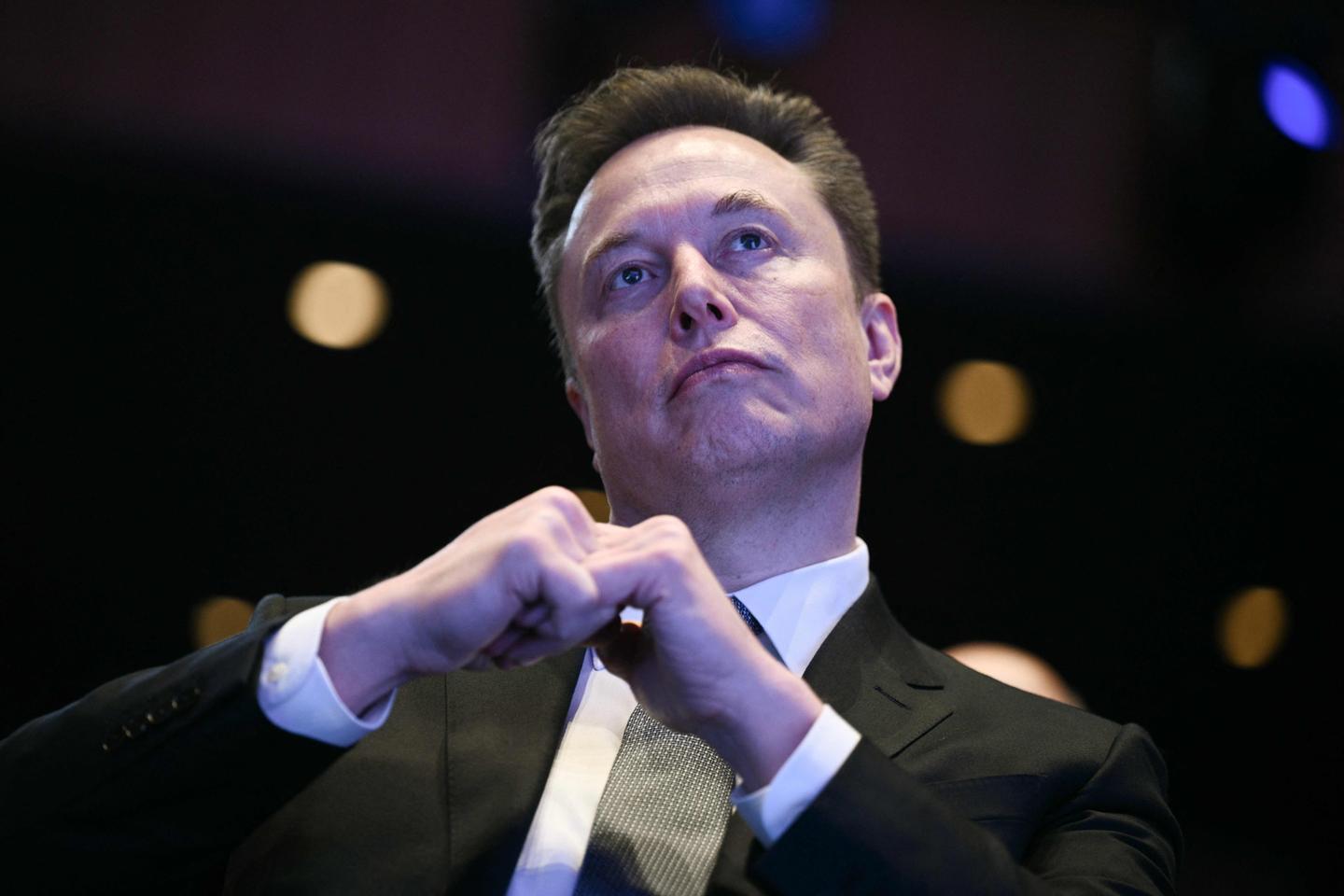
The annual gathering at Davos served as a critical barometer for global economic sentiment, with Artificial Intelligence dominating high-level discussions among technology titans and policymakers. While the transformative potential of AI across various sectors was widely acknowledged, a significant undercurrent of caution emerged regarding the sustainability of current investment trajectories.
Financial analysts observing the scene noted anxieties surrounding an emerging investment bubble. Reports indicate that numerous AI startups, often possessing minimal deployable products or demonstrable revenue streams, are commanding valuations that suggest a highly speculative funding environment, drawing parallels to previous technology market excesses.
This investment fervor contrasts sharply with the complex regulatory landscape now confronting key industry players. Specifically, the operational framework for autonomous vehicle testing and deployment is exhibiting notable divergence across jurisdictions, creating potential governance gaps.
Tesla's advanced driver-assistance systems have become a focal point in this regulatory debate. The company's expanded testing parameters in Texas, operating under less rigorous oversight than mandated in jurisdictions like California, injects a new layer of scrutiny regarding public safety standards as the push for fully driverless technology accelerates globally.
This uneven regulatory patchwork presents a significant challenge for international standardization and trust-building in safety-critical AI applications. Global governance bodies are increasingly tasked with reconciling rapid technological advancement with necessary consumer protection protocols.
Silicon Valley's continued ability to attract substantial venture capital into early-stage AI projects, irrespective of immediate commercial viability, signals deep investor conviction in the long-term disruptive power of the technology. However, this influx of capital demands commensurate scrutiny of risk assessment.
In summary, the Davos consensus highlights a dual narrative: AI remains the undisputed engine of future economic growth, yet its trajectory is increasingly shadowed by concerns over market overheating and the urgent need for harmonized safety and deployment regulations. The coming fiscal quarters will test the resilience of these valuations against tangible regulatory outcomes. (Source: AI Brew News analysis, informed by Davos proceedings.)