Following the US Department of Justice's disclosure of voluminous documents related to Jeffrey Epstein, misinformation campaigns have intensified, targeting individuals named within the files. Specifically, New York Mayor Zohran Mamdani's mother, film director Mira Nair, was referenced in an email concerning attendance at a film industry gathering.
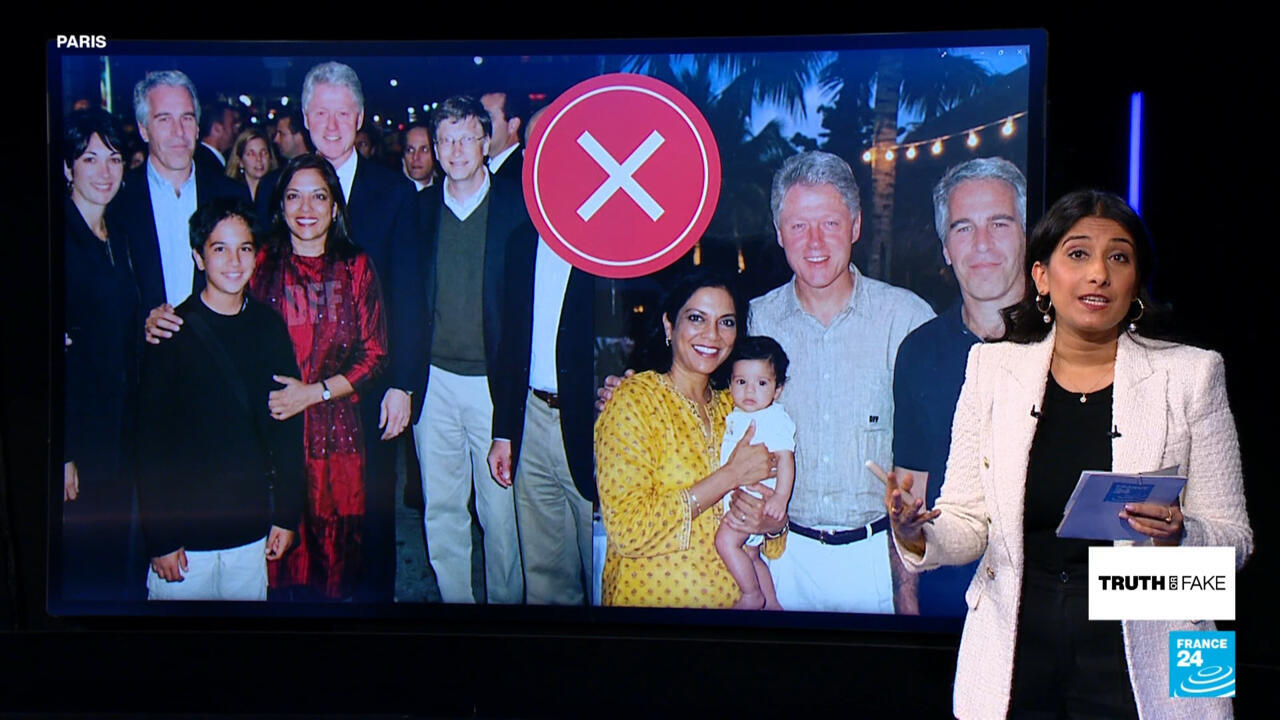
Reports indicate that a parody social media account generated and disseminated digitally altered images purporting to show Nair at an event. These synthetic photographs were then used to fuel unsubstantiated claims regarding Mamdani's political associations and parentage.
Vedika Bahl addressed the veracity of these claims in a recent segment of the 'Truth or Fake' series, as reported by France 24. The segment aimed to debunk the viral, fabricated narratives that sought to link the Mayor to illicit networks.
While Nair's name appeared in correspondence regarding a legitimate industry event, the digital manipulation weaponized this mention. The context was entirely distorted by the introduction of the AI-generated imagery.
This event underscores a significant challenge for global governance and media trust, as sophisticated generative artificial intelligence tools lower the barrier to creating convincing, yet entirely false, evidence. Such tactics aim to destabilize public figures by manufacturing reputational crises.
The broader economic implication involves the technology sector's urgent need to develop robust detection methods for malicious synthetic content. Current verification processes are struggling to keep pace with the rapid advancements in image generation capabilities.
Authorities and technology platforms face increasing pressure to implement effective countermeasures against the weaponization of deepfakes in political discourse. The speed at which these falsehoods travel across social networks amplifies their potential for real-world damage.