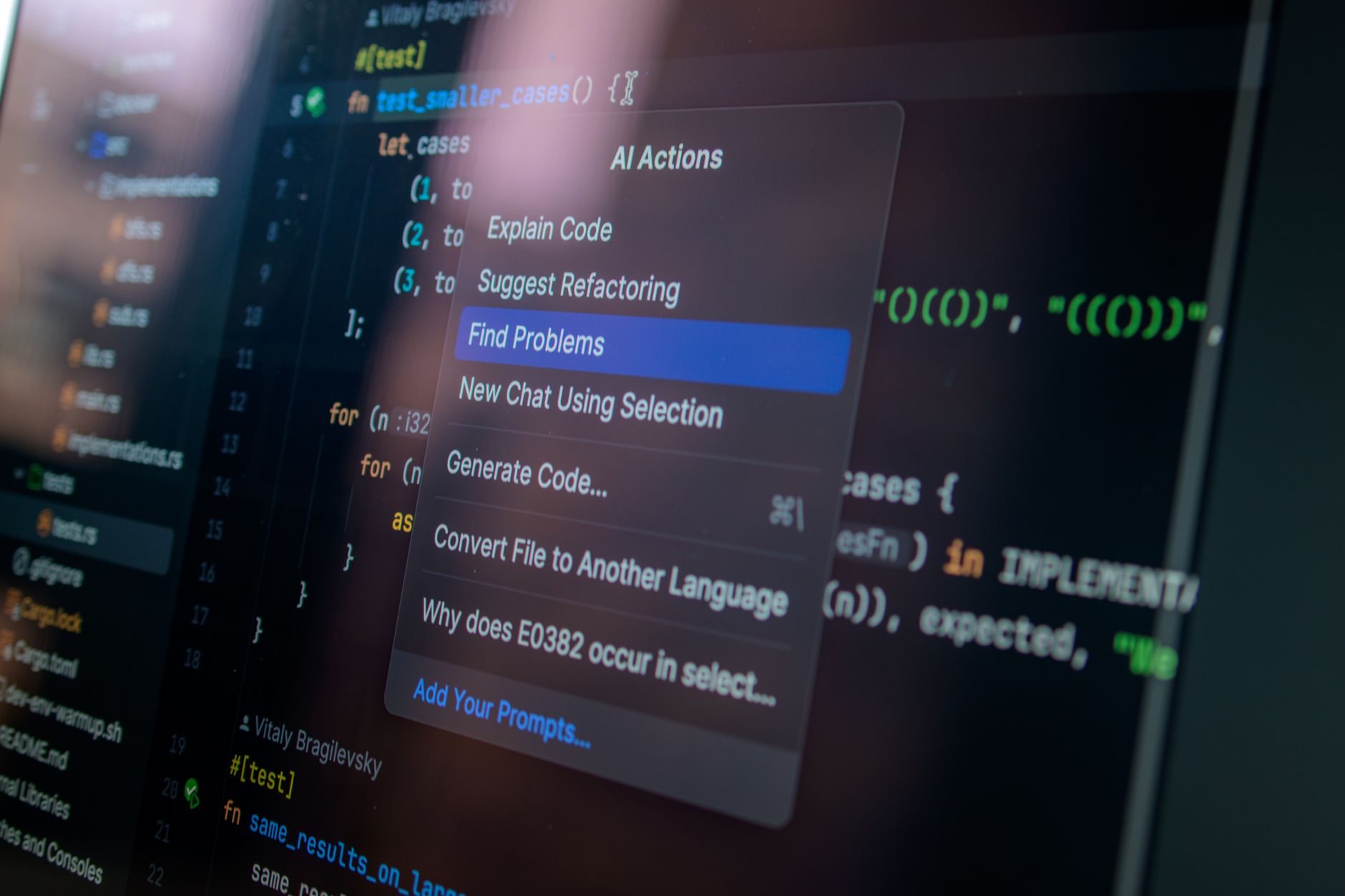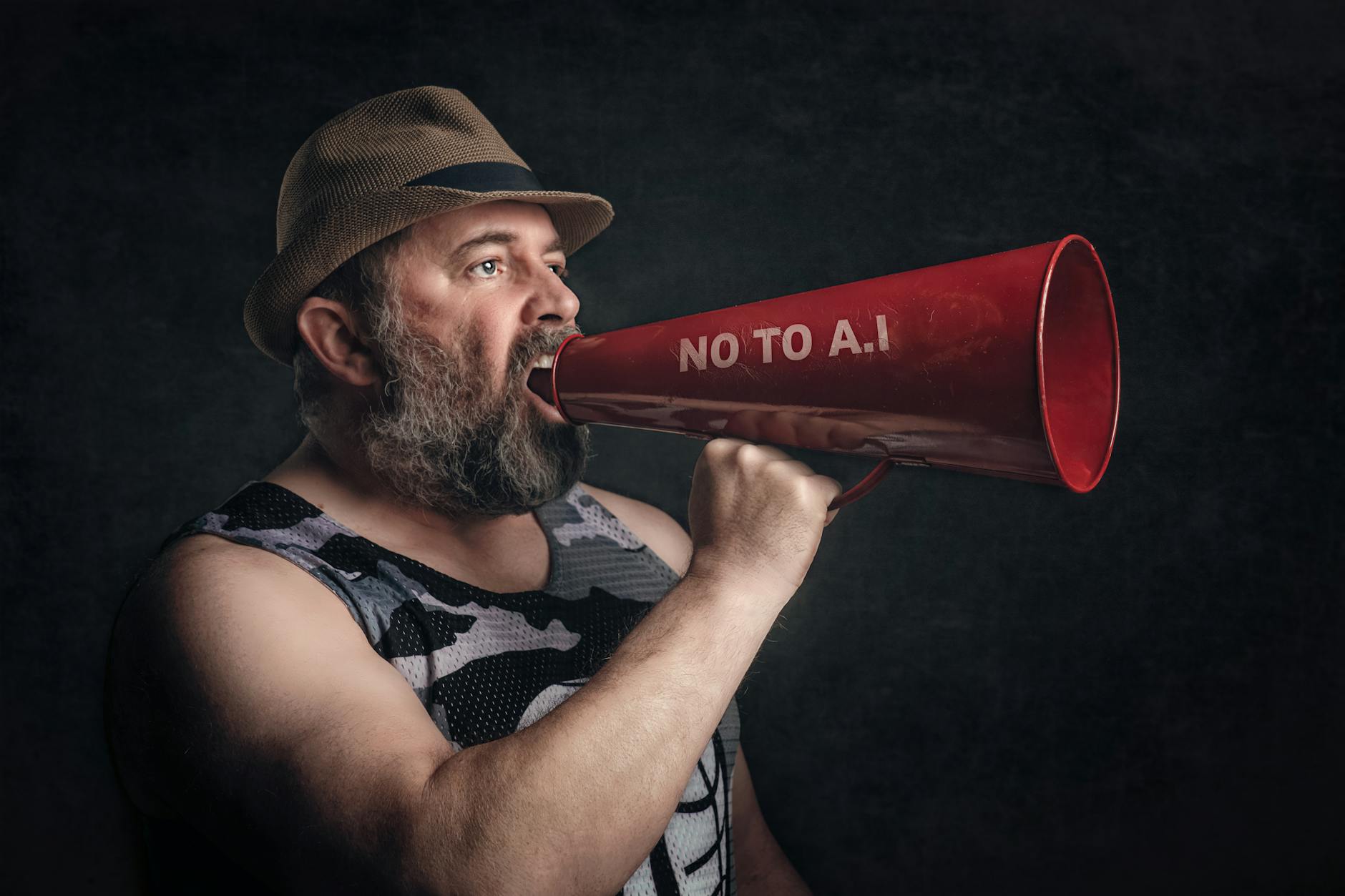
White-collar professionals worldwide are engaging in a "silent rebellion" against artificial intelligence. According to the latest annual "Digital Adoption Trends" report from WalkMe, a subsidiary of SAP, approximately 80% of employees are actively avoiding or rejecting the AI technologies their employers have invested heavily in.
The survey, which spanned 3,750 executives and employees across 14 countries, shows that 54% of workers bypassed company AI tools in the last 30 days, opting for manual methods instead. Another 33% of employees have not used AI at all.
Despite a 38% year-on-year increase in digital transformation budgets—reaching $54.2 million—40% of this spending is underperforming due to low adoption rates. This resistance among employees extends beyond mere operational choices; it is rooted in a fundamental crisis of trust.
The Trust Gap Between Management and Employees
The report highlights a massive cognitive divide between leadership and frontline staff. Only 9% of employees trust AI to handle complex, business-critical decisions, compared to 61% of management—a staggering 52-percentage-point gap.
Regarding tool availability, 88% of executives believe employees have sufficient resources, yet only 21% of employees agree. Dan Adika, co-founder and CEO of WalkMe, noted that when he asks CIOs how many employees are performing meaningful work with AI, the feedback is often less than 10%.
Economist Steve Hanke remains skeptical of the current AI hype. In an interview withFortune, he stated, "AI has not lived up to its promises. Productivity is sluggish; if AI were truly effective, we should see a massive surge in productivity, but that is not the reality."
Adika compares the current predicament to buying a sports car. He argues that even if companies equip every employee with "Ferrari-grade" AI tools, these tools will remain ineffective if employees lack the necessary skills and the ability to apply them within the proper context.